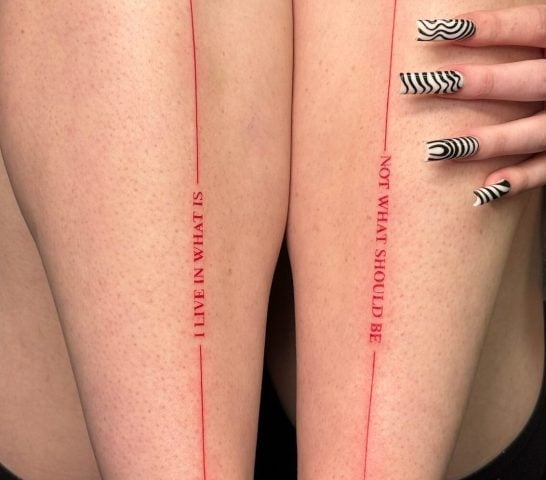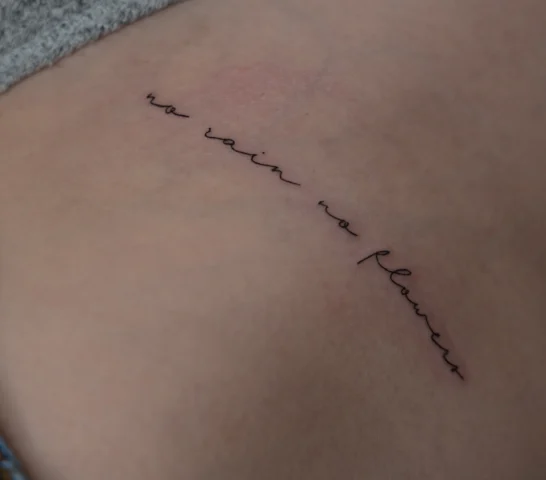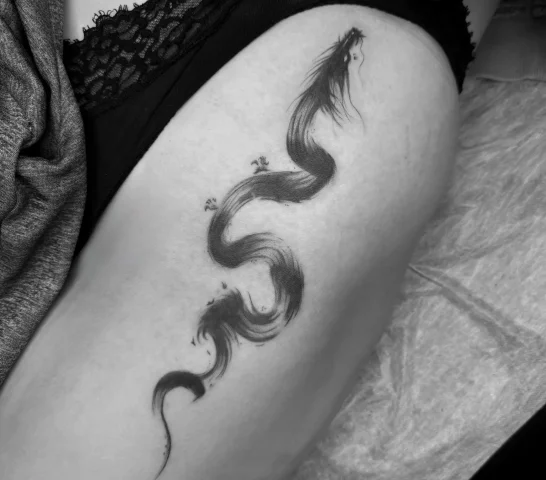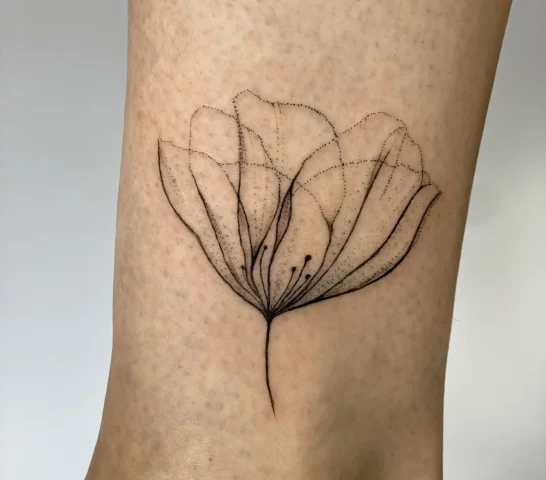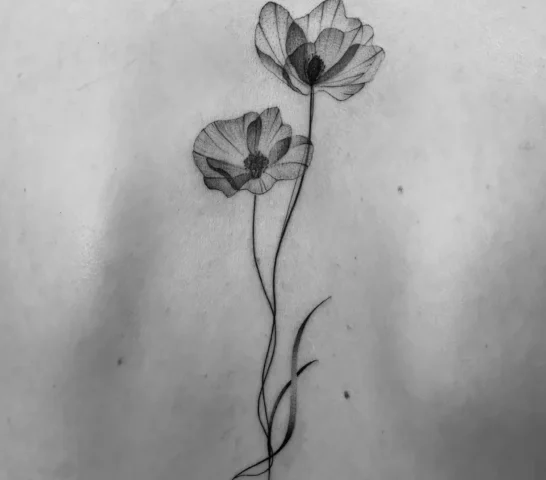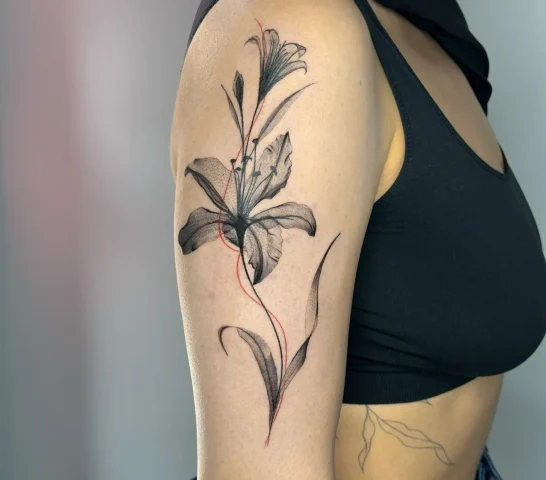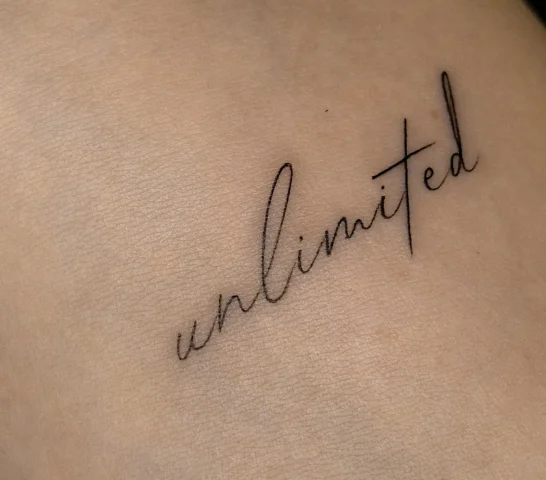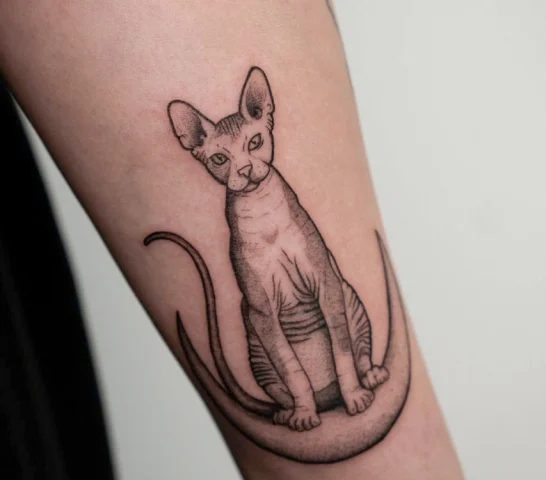
You’ve got a design in mind, but where does it go? Placement matters more than most people realize. The wrong spot can make even a great design look awkward or fade faster than it should.
This guide walks through what matters before you commit to a location. We’ll cover pain, visibility at work, and how your skin changes over time in different areas.
Things to Consider Before Choosing Your Tattoo Placement
Some Spots Hurt More Than Others
Getting tattooed involves discomfort. How much depends on where you put it. Fleshy areas with muscle hurt less. Bony spots with lots of nerves hurt more.
Outer arms, thighs, and calves are usually your best bet if you want less pain. The cushioning makes a difference. Ribs, feet, hands, and the sternum hurt the most. Fingers and inner thighs are sensitive too.
Tattoo Visibility and Your Job
A forearm tattoo shows in most work situations. Something on your back or thigh stays hidden under clothes. If your career has strict dress codes, start with easily covered spots. Hand, neck, and face tattoos can limit job options in some fields.
Placements That Hold Up Best Over Time
Hands and feet see constant sun and friction, so tattoos fade faster there. Areas that stretch with weight changes can warp designs over time. Upper back and outer arms hold up better because the skin stays stable.
Tattoo Pain Levels Vary by Body Part
Pain levels vary from person to person, but here’s what most people report.
|
Pain Level |
Body Areas |
Why |
|
Lower Pain |
Outer arm, shoulder, outer thigh, calves, upper back |
Muscle padding, distance from bone |
|
Moderate Pain |
Forearm, shoulder blade, lower back, outer ankle |
Less padding but still manageable |
|
Higher Pain |
Ribs, feet, hands, inner thigh, sternum, spine, neck, fingers |
Thin skin over bone, concentrated nerves |
First tattoo and worried about pain? Stick with the lower pain areas. Set on ribs or feet? Go in knowing it’ll be intense.
Most Popular Tattoo Placements and Why People Choose Them
Arms are the Most Popular Choice
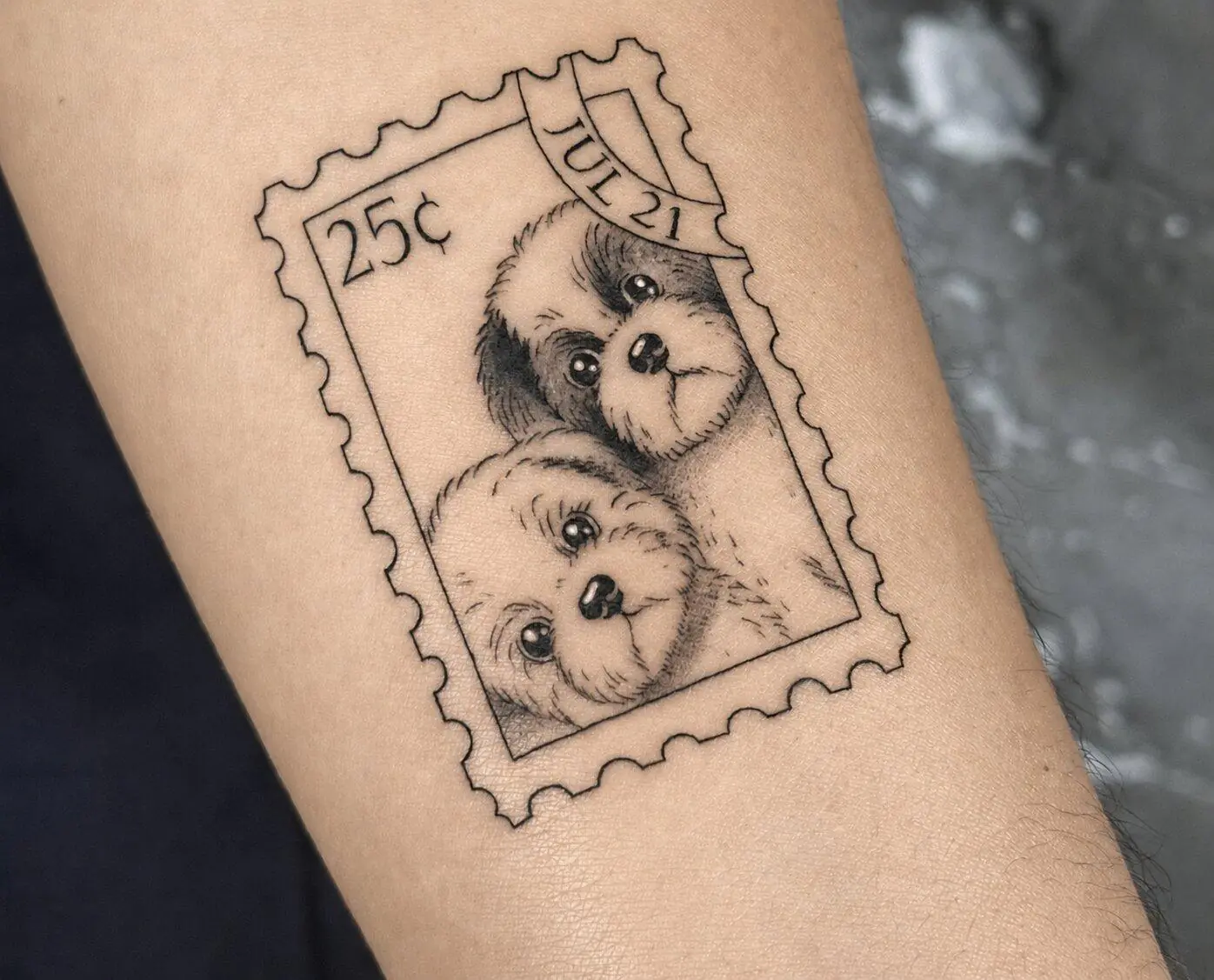
There’s a reason you see so many arm tattoos. The outer upper arm gives you space for bigger pieces or delicate fine line tattoos. Forearms work well for script and florals. Wrists fit small, minimal designs. And you control visibility depending on what you wear, which matters if your workplace has opinions about tattoos.
Leg Tattoos Give You the Most Privacy
Thighs offer one of the biggest flat surfaces on your body, which makes them ideal for detailed work that you want to keep entirely to yourself. Calves work well for vertical pieces, and ankles suit smaller designs. Unless you’re in shorts or a swimsuit, nobody sees these unless you want them to.
Put a Large Tattoo on Your Torso
If you’re planning something big, your torso gives you the most room to work with. Upper back tattoos can sprawl across your shoulders without running out of space. Chest pieces are high-impact but tend to hurt more, especially near the sternum. Ribs are notoriously painful, though the long vertical shape works well for certain designs like script, flowers, or figures.
Getting Tattoos on Hands, Feet, or Neck
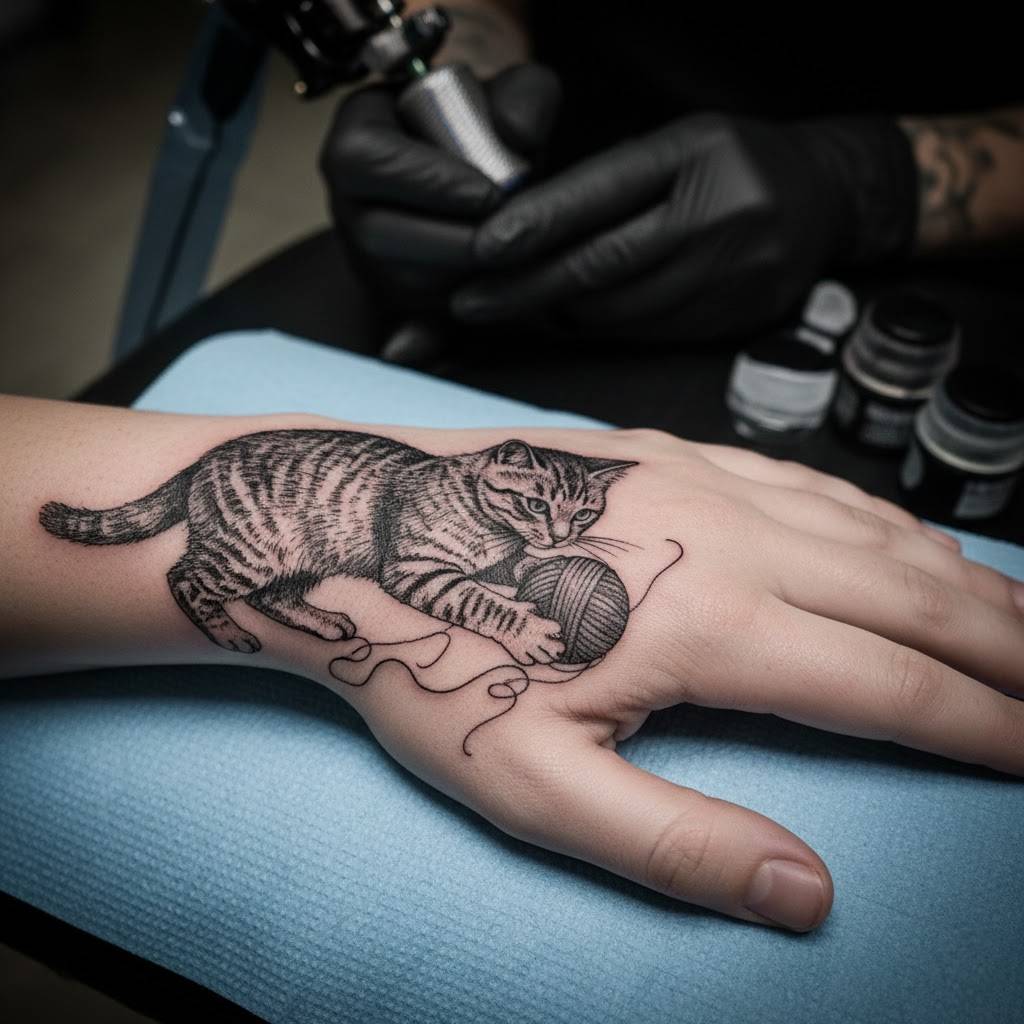
Hand tattoos fade faster from constant washing and sun. Foot tattoos heal slowly because shoes cause friction and trap moisture. Neck tattoos range from easily hidden at the nape to fully visible on the front or side. All three areas require more commitment than placements you can cover with a sleeve or pants.
How to Match Your Tattoo Size to the Right Body Placement
Small script tattoos get lost on large surfaces like your back. Detailed scenes won’t fit on your finger. Here’s what works:
- Small designs look best behind ears, on wrists, or along ankles.
- Medium pieces fit forearms, calves, or shoulders.
- Big designs need upper back, thigh, or chest space.
Good placement follows your body’s natural shape. Designs that wrap around muscles or curves look right. Ones that fight your anatomy look off. This matters especially for fine line work, which needs smooth surfaces to age well.
Do Men and Women Pick Different Spots?
Anyone can get tattooed anywhere. That said, certain placements tend to be more popular with different groups.
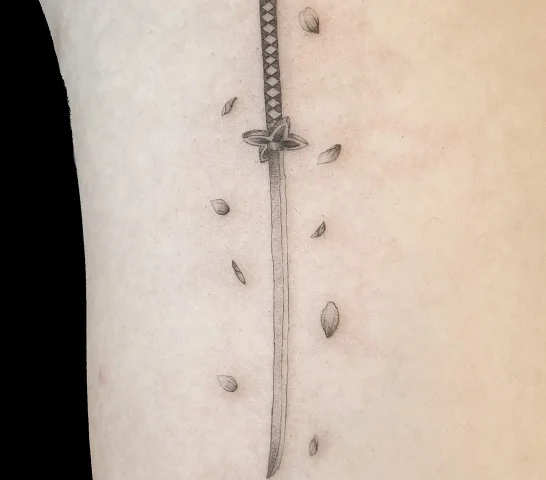
- Women often choose the shoulder blade (easy to show or hide with different necklines), ribs (a more private, intimate placement), hip (easily concealed and flattering with body curves), and thigh (plenty of space for larger designs while staying hidden under most clothing).
- Men often choose the upper arm (visible and easy to show off), chest (large canvas for meaningful pieces), back (room for detailed or expansive work), and calves (popular for bold designs that are easy to display in shorts).
These are just trends based on what people typically request. Your design, pain tolerance, and personal style should guide your decision more than what’s common.
Why Your Tattoo Artist’s Placement Advice Matters
Artists have seen thousands of tattoos on different body types. They know what ages well, what fades fast, and what works where. That experience is worth listening to.
Bring your ideas and reference images to your consultation, but stay open to their feedback. A good artist will explain how your design flows with your body’s natural movement, how it might look in 10 or 20 years, and whether the placement you want would support the artwork.
Style plays a big role in placement too.
- Microrealism tattoos require flat, stable skin with enough surface area to hold fine detail. Put them on the wrong spot and those tiny details blur together within a few years.
- Lettering tattoos can stretch, warp, or become unreadable on curved or high-movement areas. What looks crisp on paper might not translate the same way on ribs or inner elbows.
- Bold traditional work tends to hold up better in tricky spots because the thick lines and solid colors age more predictably.
If you’ve never been tattooed before, researching what to expect during your first session helps you walk in prepared and confident.
How to Finally Decide Where to Get Your Tattoo
Now you know the main factors. Pain levels vary by location. Visibility affects your career options. Some areas age better than others. Some need more touch-ups over time.
There’s no universal best place to get a tattoo. It depends on your design, your lifestyle, and what you’re comfortable with. Some people start with a small piece in a less visible spot to see how they feel about it. Others go straight for larger, more visible work.
Take time with this choice. A well-placed tattoo looks like it belongs. A poorly placed one feels off no matter how good the design is. If you’re unsure, talking with experienced artists who understand body anatomy helps clarify what works for your specific piece.