Tattooing arrived in New York City during the 1800s, carried by sailors, soldiers, and circus performers looking for permanent marks of their travels. Small studios started appearing along the waterfront and throughout the Bowery.
Over the next 150 years, the city would become central to American tattoo culture. The electric tattoo machine was invented here. Then tattooing was banned for decades. And somehow, the scene not only survived but grew stronger.
Martin Hildebrandt and the First American Tattoo Studio
Martin Hildebrandt opened what many consider the first professional tattoo studio in America in 1870. His shop at 77 James Street sat on the second floor of a walk-up building in what is now Chinatown. Most of his clients were sailors stepping off ships at the East River docks, and Hildebrandt, who had learned the craft during his military service, recognized the opportunity a port city offered.
By the 1880s, the Bowery had grown into the center of tattoo culture in New York. More artists opened shops, and the clientele expanded well beyond sailors. Everything was still done by hand with needles dipped in ink. The process took hours, but the demand never slowed down. This stretch of lower Manhattan became the foundation of bowery tattoo history and set the tone for what the industry would become.
The Failed Edison Invention That Changed Tattooing Forever
Samuel O’Reilly ran a small parlor at 11 Chatham Square in 1891, tucked right under the elevated train tracks. He had been experimenting with a failed Thomas Edison invention called an electric pen, a device designed for office work that never caught on. O’Reilly saw something Edison missed and modified the pen into the first electric tattoo machine.
His design used electromagnetic coils to move needles rapidly. Tattoos that once took an entire day could now be finished in about an hour. Artists gained the ability to create finer details and better shading than hand-poking ever allowed. The Samuel O’Reilly tattoo machine spread to parlors across the country within years, but it all started in that cramped studio in lower Manhattan. This single invention transformed tattooing from a slow folk art into something that could reach a much wider audience.
The Milestones That Shaped NYC Tattoo Culture
|
Year |
Event |
|
1870 |
Martin Hildebrandt opens first US tattoo studio at 77 James Street |
|
1891 |
Samuel O’Reilly patents the electric tattoo machine at Chatham Square |
|
1961 |
NYC bans tattooing citywide due to hepatitis B concerns |
|
1997 |
Ban lifted and tattooing becomes legal again |
|
1998 |
First NYC Tattoo Convention at Roseland Ballroom |
The New York City Tattoo Ban That Pushed Artists Underground
New York City banned tattooing completely in 1961. City health officials blamed tattoo parlors for a hepatitis B outbreak and shut down every shop overnight. The New York City tattoo ban would last from 1961 to 1997, more than three decades of prohibition.
Artists who had spent years building legitimate businesses faced an impossible choice. Some left the city entirely. Others stopped tattooing altogether. But many stayed and decided to work in secret, operating out of apartments in Hell’s Kitchen and the Lower East Side. You could not walk in off the street during those years. You needed to know someone who knew someone, and even then, there were no guarantees.
The Brooklyn Shops That Survived When Manhattan Went Dark
While Manhattan tattoo artists faced strict enforcement, Brooklyn tattoo history followed a different path. Artists working near Coney Island and the Brooklyn Navy Yard managed to stay open by keeping a low profile and building trust within their communities. These shops became the lifeline that kept the tradition alive during the years when Manhattan’s scene had all but disappeared.
The contrast between the two boroughs shaped how the industry would eventually rebuild. Brooklyn artists developed their own networks and client bases, operating in the shadows while still passing down techniques to the next generation.
The 1990s Tattoo Revival That Transformed Brooklyn Forever
The City Council finally lifted the ban in 1997, and studios opened across the city almost immediately. The geography of nyc tattoo history had shifted dramatically, though. The Bowery was no longer the center of gravity it had been a century earlier.
Brooklyn neighborhoods like Williamsburg and Bushwick became the new hubs instead. Lower rent attracted younger artists who had trained in other cities during the ban years, and they brought different styles and techniques with them. The first NYC Tattoo Convention happened in 1998 at the Roseland Ballroom, marking the official return of a culture that had never really left.
Nearly 300 Studios and the Modern NYC Tattoo Scene
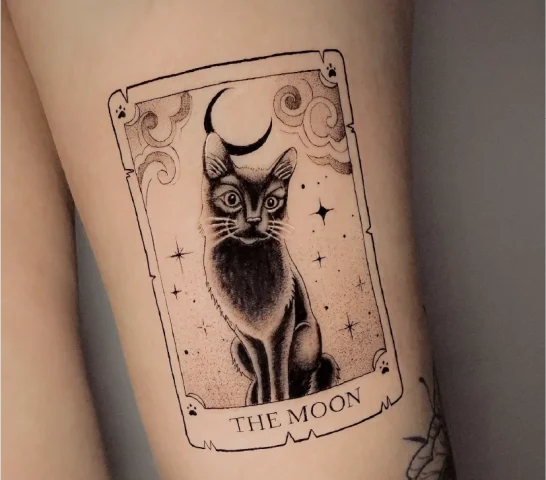
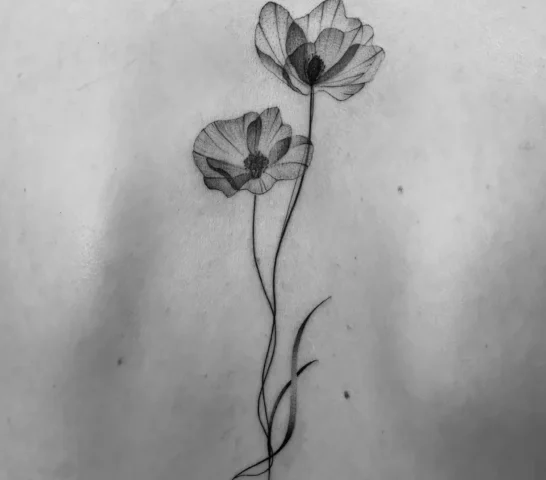
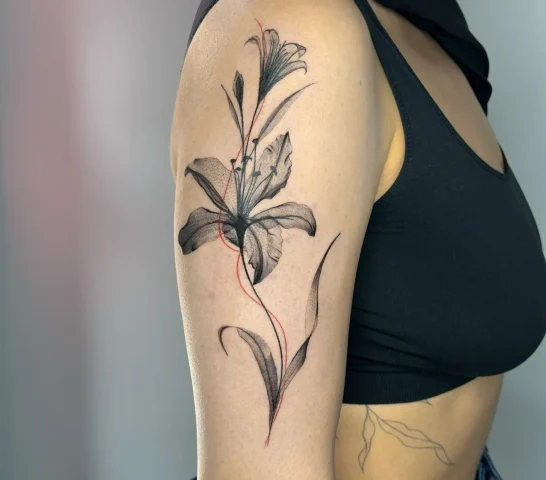
Nearly 300 licensed tattoo studios now operate across the five boroughs. Artists blend traditional American work with fine line techniques, watercolor styles, and hyperrealism. The styles that developed elsewhere during the ban years have mixed with the city’s original approach, creating something new.
There is a direct line connecting the artists working today to those who tattooed in secret apartments during prohibition. Many learned from people who learned from the underground generation. That connection shows up in how tattoo artists approach their work in New York, even if most clients walking through the door never think about it.
The NYC Tattoo Legacy That Influences Every Studio Today
The history of tattooing in NYC is a story about how an art form survived prohibition and came back stronger than before. The early Bowery years established tattooing as a legitimate business in America. The ban years proved that the culture could not be legislated away. And Brooklyn’s rise showed that scenes can develop anywhere artists gather and commit to their craft.
If you’re thinking about getting your first tattoo, this history adds real context to the experience. People fought to preserve this practice through decades of prohibition, passing techniques and traditions from one generation to the next in secret. That spirit still influences tattoo culture in the city today. Even the consultation process most shops use evolved from the underground years, when trust and word-of-mouth meant everything.