Getting a tattoo involves some discomfort. That’s the honest answer. How much depends on where you’re getting tattooed, your body’s individual makeup, and how prepared you are going into the session. Most people find the experience far more manageable than they expected, especially once they understand what’s happening under the skin.
This guide walks through the body areas that tend to hurt the least, the most, and everything in between, so you can make an informed choice about placement before you book.
Why Certain Body Areas Are More Sensitive Than Others
A tattoo needle deposits ink into the dermis by puncturing the outermost layer of skin repeatedly, thousands of times per minute. Pain registers differently depending on the density of nerve endings in the area, how close the skin sits to bone, and the overall thickness of the skin.
Fleshier areas with more fat tissue tend to absorb the sensation. Thinner skin over bone amplifies it. That’s the anatomy behind any tattoo pain chart by body part. The variation isn’t random. It’s structural.
The Least Painful Places to Get Your First Tattoo
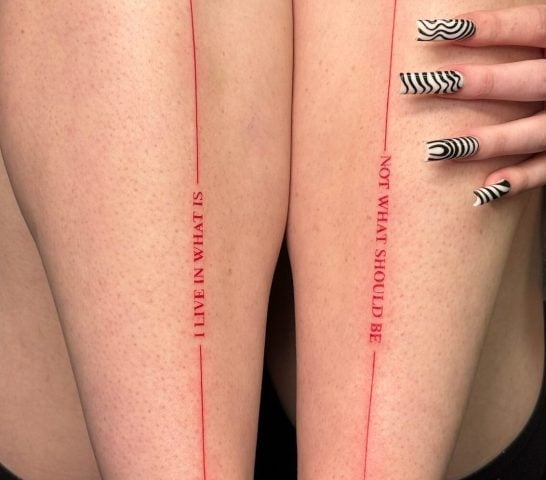
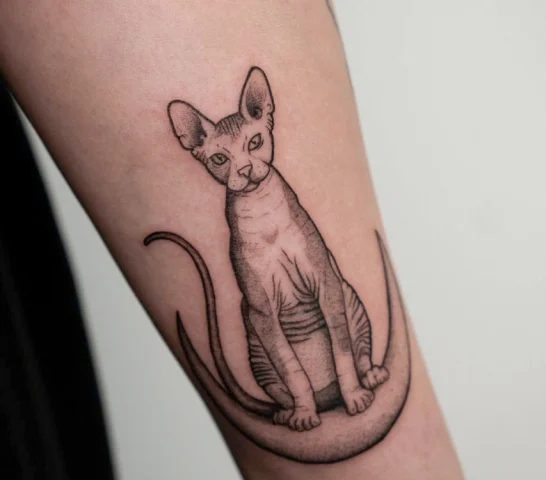
Outer upper arm, thigh, calf, forearm.
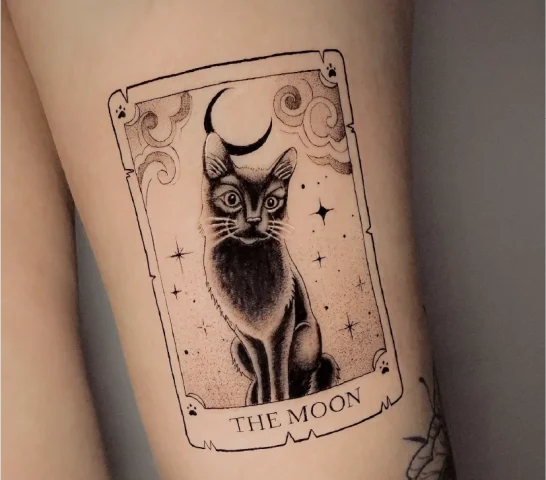
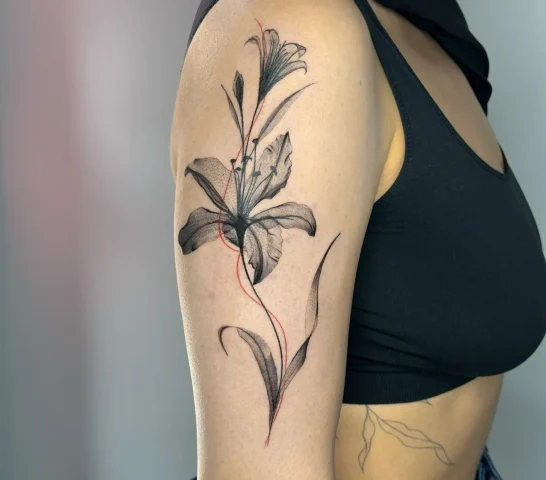
These are consistently the least painful spots for a first tattoo, and for good reason. More muscle and fat cushion the sensation, nerve endings are less concentrated, and the skin in these areas tends to be easier to work with. Sessions are easier to sit through, and healing tends to be predictable.
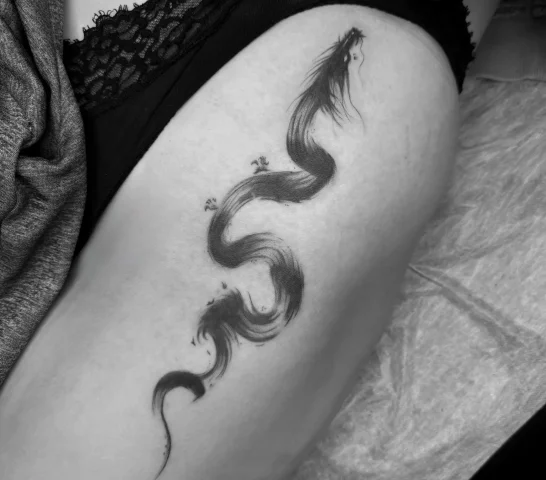
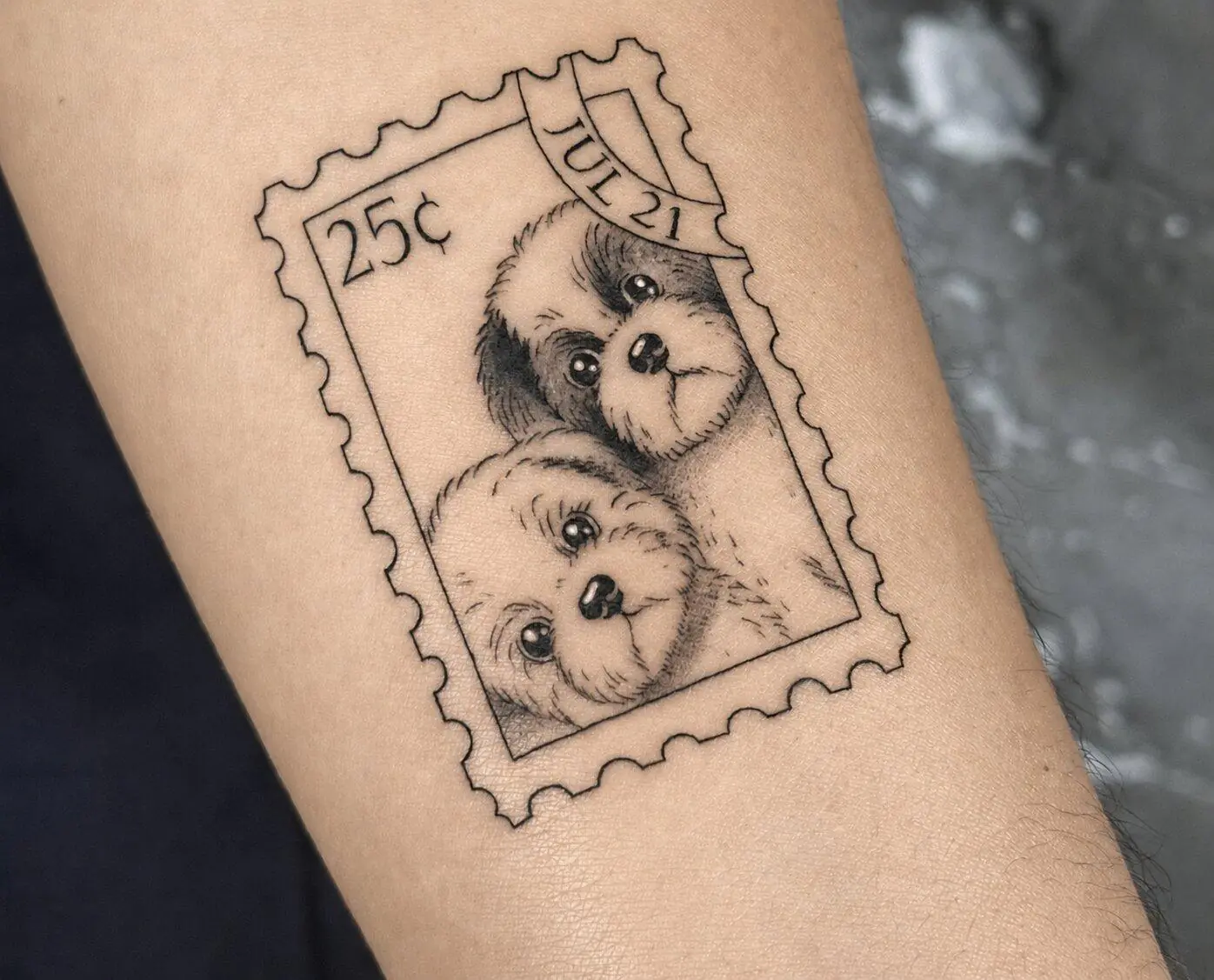
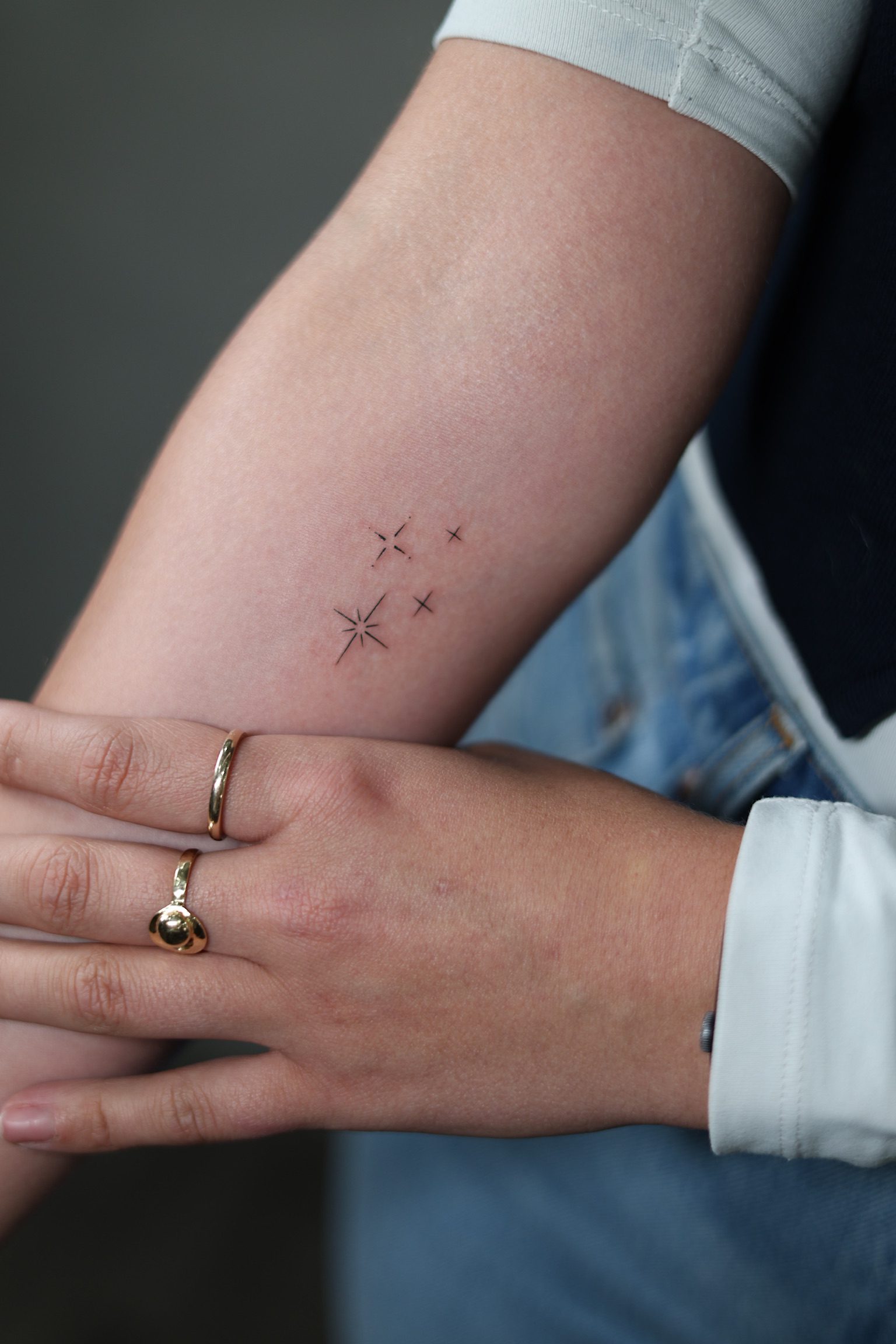
The outer thigh works well for larger pieces since it offers a generous canvas with minimal sensitivity. The forearm is a popular first placement for fine line work, as clients stay comfortable and the area stays stable throughout. If you’re new to tattooing, these spots give you room to settle in without getting overwhelmed.
Mid-Range Placements and What Moderate Pain Feels Like
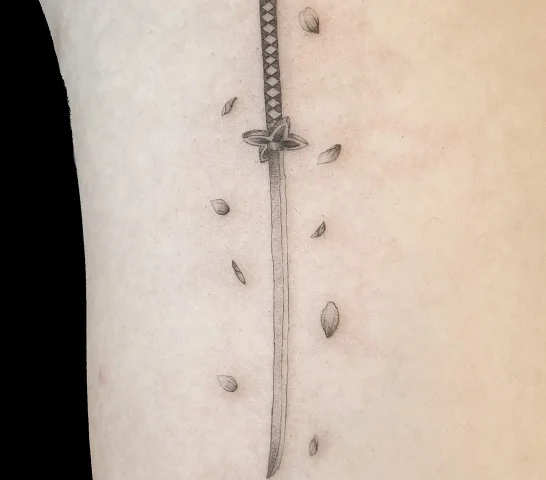
The inner arm, shoulders, upper back, and chest sit in a moderate zone. Not as cushioned as the outer limbs, but most people describe the sensation as something they adapt to, a steady scratch or low-level burn the body adjusts to as the session goes on.
The chest gets more noticeable closer to the sternum. The inner arm is more sensitive than the outer. In this range, you’ll be aware of the discomfort throughout, but short breaks are rarely necessary, and most people move through these placements without much difficulty.
High-Sensitivity Areas That Require Patience
Ribs, sternum, spine, feet, neck, inner elbow, and behind the knees rank highest on the tattoo pain level scale. Skin is thinner here, nerve endings sit closer to the surface, and over bony areas the vibration from the needle travels differently than anywhere else.
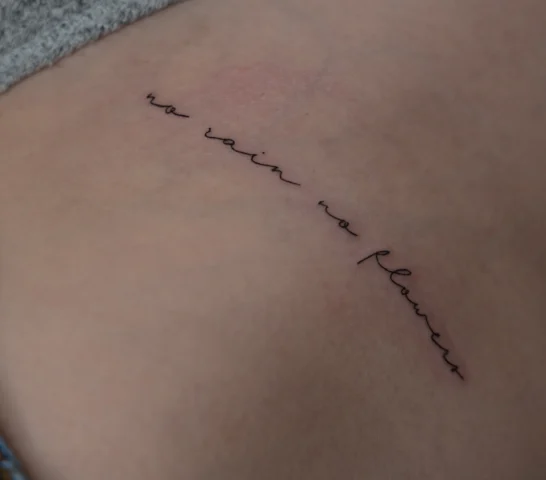
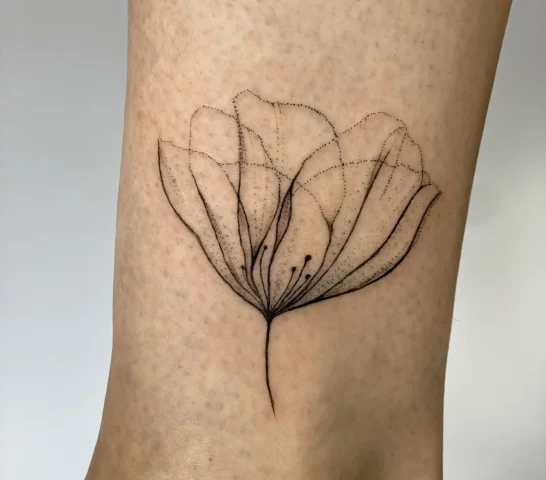
Rib tattoos are particularly intense, as needle passes are close to both bone and the intercostal nerves running between them. Feet and ankles are demanding for similar reasons, thin skin and high nerve density with little fat to buffer the sensation. These placements produce some of the most striking results, but they’re generally better approached after a session or two somewhere more forgiving.
What Makes Hand and Finger Tattoos Different
Hands are a category of their own. The skin over the knuckles and fingers is thin, sits directly over bone, and has a high concentration of nerve endings. Beyond the sensation itself, hand tattoos come with considerations around healing and longevity that don’t apply elsewhere. Talk through all of it with your artist before committing to this placement.
The Different Types of Tattoo Pain and When Each One Shows Up
Tattoo pain isn’t one sensation. It shifts depending on the body area, the needle configuration, and how long the session has been going.
Dull background pressure is the most common, especially early on. Your body releases adrenaline in response to the needle, which naturally mutes sharpness into something closer to pressure. Staying distracted, talking or listening to music, tends to keep you in this state longer.
Vibration shows up most over bony areas, where the needle’s motion transmits through the bone itself. It’s unfamiliar rather than painful, but it catches people off guard.
Burning develops in areas worked on for an extended period. The skin becomes sensitized after repeated passes and the sensation shifts toward heat.
Scratching is typical during shading, where multiple needles cover a wider area at once. It feels broader and more of a drag than linework.
Sharp stinging is associated with fine linework and single-needle techniques, more focused and concentrated, usually in short bursts rather than sustained.
Do Fine Line Tattoos Hurt Less Than Other Styles?
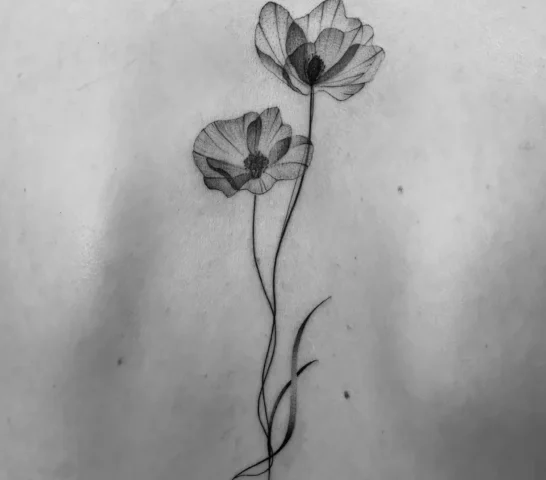
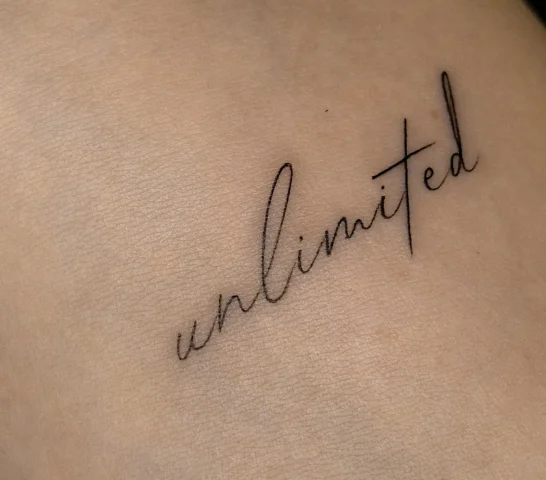
It’s a common question, and the answer is nuanced. Fine line work uses fewer needles, which creates a sharper and more focused sensation rather than the broader feel of shading. Sessions tend to be shorter though, especially for smaller pieces, which limits overall exposure to discomfort.
Fine line technique is also generally gentler on the skin across a full session compared to heavier shading work. If pain is part of your thinking, talking through your placement and design goals with your artist before booking will give you a clearer picture of what to expect.
Why the Same Placement Can Feel Completely Different for Each Person
Your nervous system doesn’t stay at peak sensitivity for the whole session. Adrenaline released at the start dulls the sharpest edges, and many people find the first few minutes are the hardest part. After that, the body adapts and pain levels tend to plateau rather than build.
Individual variation matters too. Hydration levels, sleep, skin elasticity, and where you are in your cycle can all shift how a session feels. Two people getting the same placement with the same artist can walk out with completely different impressions of how it went. Neither experience is wrong.
Small Preparations That Make a Real Difference in the Chair
Eat a full meal before you go in. Low blood sugar sharpens sensitivity and makes it harder to stay calm. Hydration matters too, as well-hydrated skin responds better and tends to heal more evenly. Avoid alcohol for at least 24 hours beforehand since it thins the blood and affects how the skin holds up during the session. Ease up on caffeine the day of, as it raises baseline anxiety and can make you more physically reactive.
Wear something that gives easy access to the area being tattooed. During the session, steady breathing helps. If you need a break, say so. Experienced artists expect it and will accommodate without hesitation. Numbing creams are worth asking about during your consultation, depending on the placement and what makes sense for the work being done.
Choosing the Placement That Works for You
Pain tolerance is personal, and the right placement is the one that balances your design goals with what you’re realistically prepared to sit through. A rib piece feels different from something on your outer arm, not only during the session but through healing too.
Before settling on a spot, think through how the design will wear on your body long-term. A consultation is where placement, design, and any questions about the process all come together before anything is set in stone.