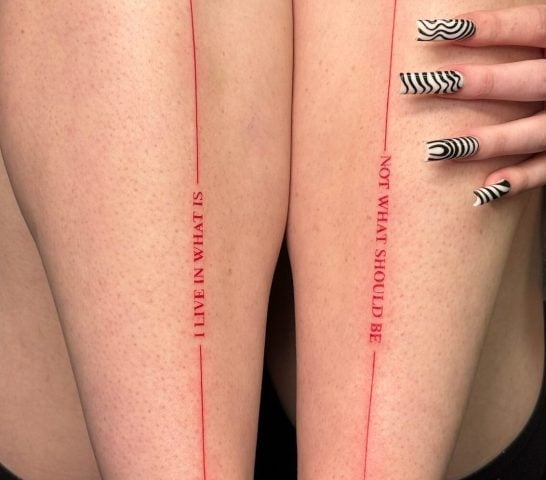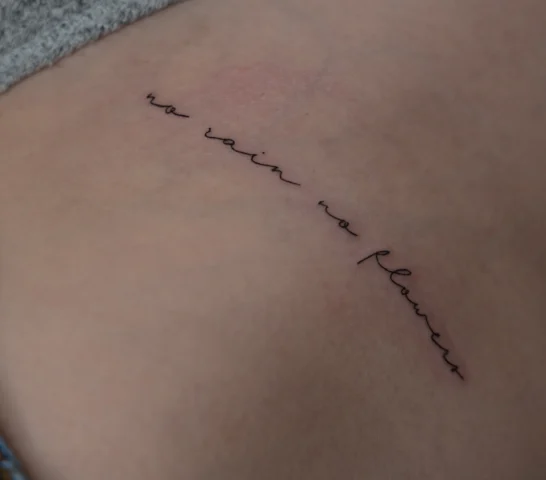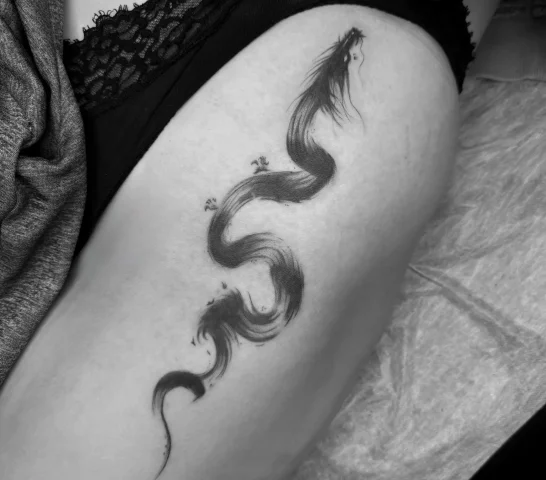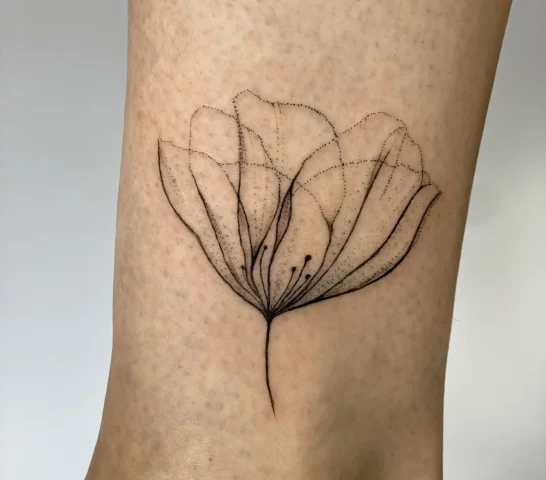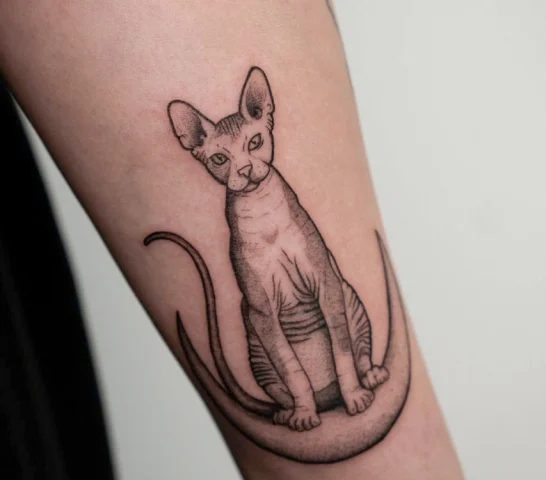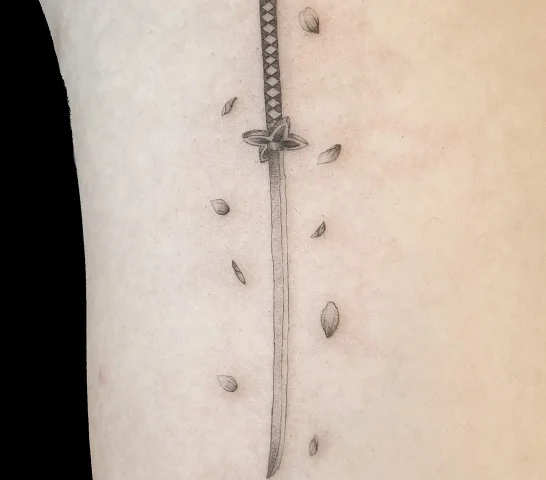

The conversation around tattoos and mental health has grown meaningfully over the last several years. Research from PrairieCare reflects what many people already sense. Choosing what goes on your body, after a period of feeling like you had no control over it, can be a genuine form of reclamation.
That experience looks different for everyone. For some, it’s a C-section scar they’ve avoided looking at for years. For others, it’s self-harm scars from a time they’ve long since moved through. The common thread is a desire to decide what their body communicates now.
Which Types of Scars Can Be Tattooed
Surgical scars from C-sections, appendectomies, or mastectomies are often linear and relatively flat once healed, which makes them solid candidates for fine line tattoo work. Self-harm scars vary more widely in texture and depth, which is why a thorough, unhurried consultation matters before any design decisions are made.
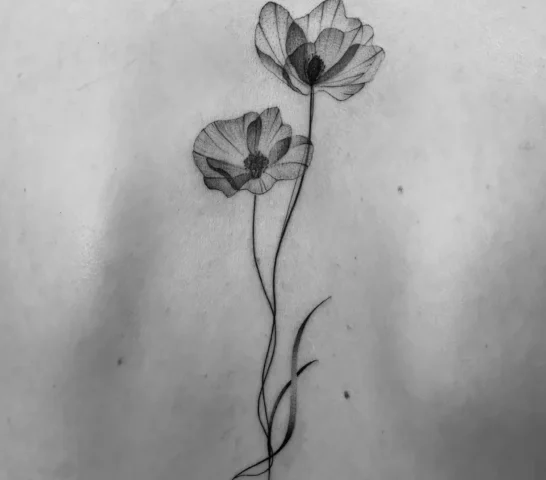
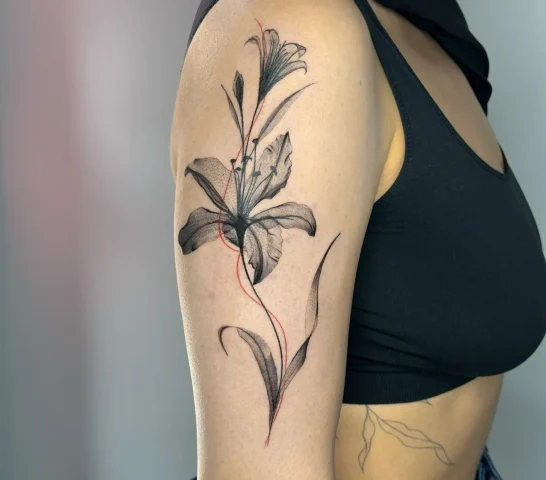
Burn scars tend to have uneven surfaces and may absorb pigment differently depending on the area. Stretch marks respond well to designs that follow their natural direction rather than running against them. Botanicals, organic linework, and flowing abstract shapes work particularly well in these cases.
What to Expect From Ink on Scar Tissue
Scar tissue is structurally different from unaffected skin. It’s denser, and ink doesn’t always distribute the same way. Some areas hold pigment beautifully, while others may need a touch-up after healing. Healthline’s overview on tattooing over scars covers the medical side in more depth for anyone who wants to understand what’s happening beneath the surface.
Why Fine Line Tattoos Work Better on Scarred Skin
Heavier, saturated tattooing involves more passes over the skin and more stress on tissue that’s already been through a significant process. Fine line work uses smaller needle groupings and lighter application, putting less pressure on sensitive or restructured skin.
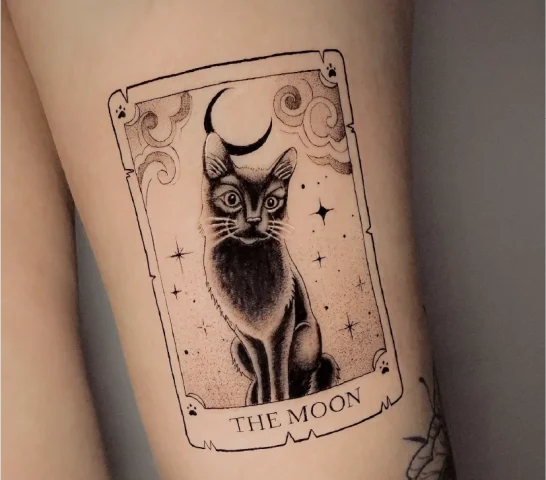
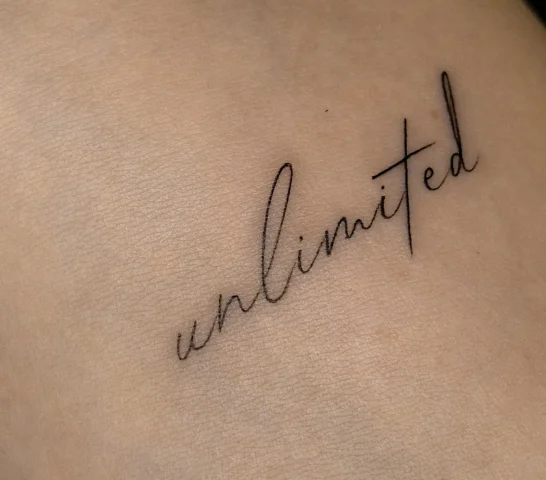
The more meaningful difference is how the design integrates. Bold, saturated work tends to sit visually on top of a scar. Fine line work is drawn with and around the scar’s texture, so the result feels like it belongs there rather than covering something. Artists working in this style treat the body’s natural contours as part of the composition. Understanding that distinction matters when researching how fine line tattoos are applied over scar tissue, both for choosing a style and for finding the right artist.
Timing, Scar Maturity, and What Your Artist Needs to Know
A scar needs at least one to two years to fully mature before tattooing. Scars still changing in color or texture aren’t stable enough for consistent ink retention, and working on them too early affects both the result and how the skin heals afterward.
At a consultation, the artist examines the scar’s depth, surface texture, raised areas, and how it’s settled over time. This shapes which designs are realistic, how many sessions may be involved, and whether certain areas need to be handled differently. If you’ve had any lingering inflammation or irregular healing at the site, knowing what normal tattoo healing looks like versus something worth flagging will help you come to that conversation better prepared.
Session Length, Design Process, and What Comes After
The design starts from the scar itself. For custom tattoo work built around scar tissue, the composition is shaped by the scar’s direction, texture, and character rather than placed on top of it. Sessions over scar tissue often run longer than standard appointments, and larger or more complex areas are frequently split across two sessions to give the skin adequate recovery time.
Aftercare follows the same general principles as any tattoo. Keep it clean, moisturized, and protected from sun exposure.
Honest Expectations for Scar Cover Up Work
Some scars take ink cleanly in a single session. Others, particularly raised keloid tissue or areas with significant depth variation, may have limits on how saturated or detailed the work can realistically get. The goal is always something cohesive and intentional. That sometimes means working gradually rather than all at once.
Finding a Scar Cover Up Tattoo Artist in New York City
Portfolio is the first thing to look at. Search for documented work on scar tissue specifically, not only fine line pieces done on smooth skin. Ask directly about experience with your type of scar and how they’ve handled similar textures before.
The environment matters as much as the work. People seeking tattoos over self-harm scars or post-surgical bodies often need a space where they don’t have to justify their history to feel comfortable. A woman-owned studio tends to draw clients for exactly that reason. The comfort level in the room affects the honesty of the conversation, which in turn affects the quality of the work.
Booking a tattoo consultation before committing to a design gives both sides the room to assess what’s genuinely achievable.
Putting Something of Your Own in That Space
A tattoo over a scar doesn’t rewrite what happened. Most people aren’t looking for that. What it does is place something chosen in that spot, something that reflects who they are now rather than what their body went through.
The shift is quiet and personal. Some people sit with the finished result for a long time. Some send a photo to someone they love. Some don’t say much at all. But the body feels a little more like theirs again, and for most people, that’s the whole point.