The forearm has quietly become the most requested spot in the studio. It works for a first piece, fits anything from a single stem to a full forearm sleeve tattoo, and lets you see the work without craning your neck. If you have been scrolling through forearm tattoos for weeks and still cannot pin down what you want, this guide should help.
Why People Keep Choosing the Forearm
The forearm is popular because it gives you a flat, smooth canvas with low pain and high visibility, which makes it ideal for detailed fine line work you can see and enjoy every day.
Most arm tattoo placements ask you to compromise on something. The bicep hides under sleeves. The hand limits you on size. The forearm sits in the middle of those tradeoffs, with enough room for an illustrative panel and enough flat skin for crisp linework.
It also fits modern dress codes well. In summer, your tattoo is on full display. The rest of the year, a long-sleeve button-down or blazer covers it completely, which matters if you work in an office that still leans conservative.
Inner Forearm vs. Outer Forearm
The inner forearm reads more personal and sits slightly more sensitive, while the outer forearm shows the world your tattoo every time you reach for something.
Where you place the design changes how it feels day to day. People who want their ink to feel intimate tend to pick the inner side. People who want their work to be part of how they present themselves usually go outer.
Placement | Visibility | Pain Level | Best For |
Inner forearm | Visible to you, semi-private to others | Mild to moderate, thinner skin | Script, meaningful symbols, smaller pieces you want to read often |
Outer forearm | Highly visible to everyone | Low, denser skin and muscle | Bold designs, illustrative work, statement pieces |
Full wrap | Maximum visibility | Mixed across the wrap | Forearm sleeve tattoo concepts, connected botanical or geometric work |
The inner forearm also tends to age slightly differently because it sees less direct sun. If longevity matters to you, that side has a small advantage.
Fine Line Forearm Tattoo Ideas Worth Considering
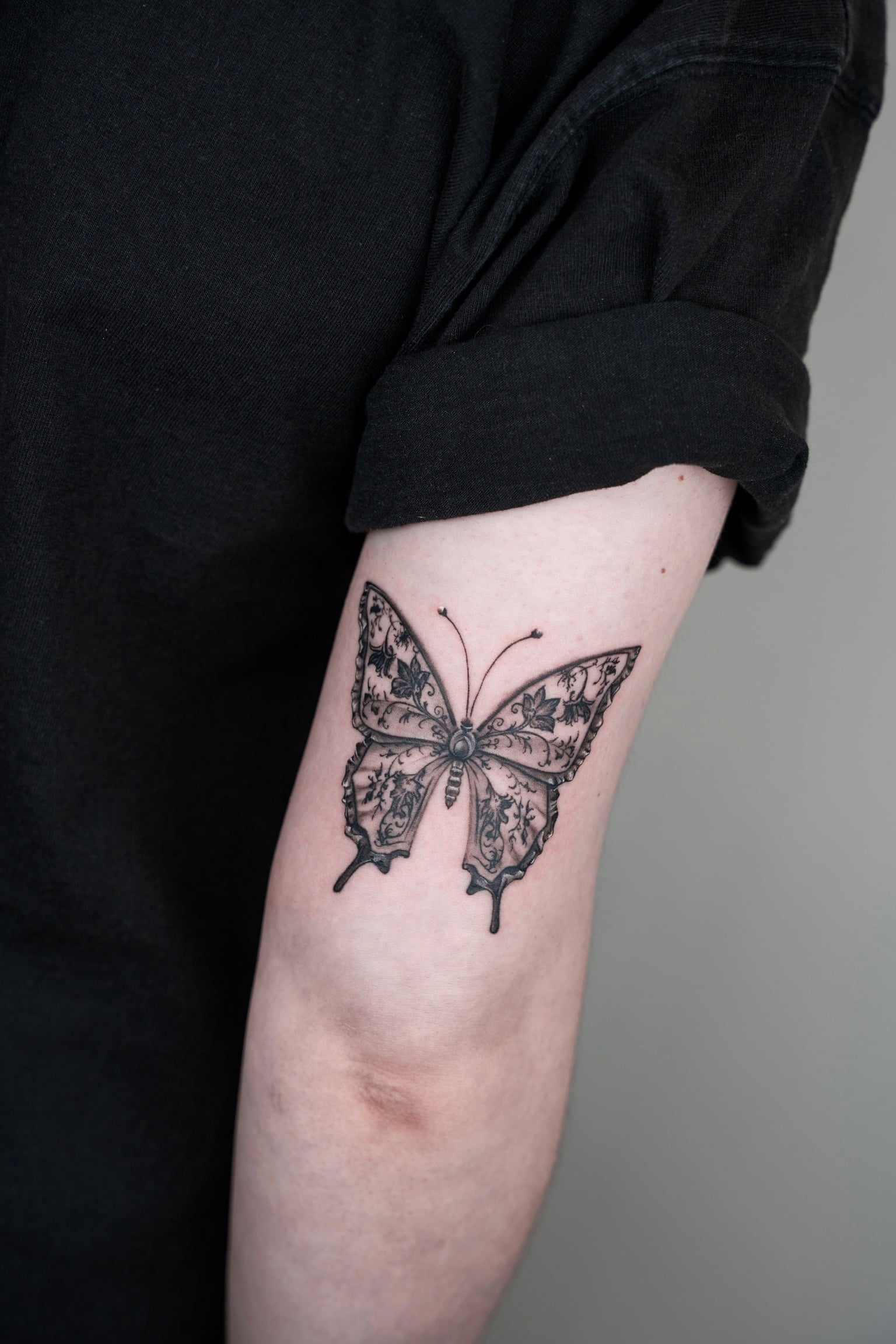
Fine line work suits the forearm because the skin stretches less here than on areas like the ribs or the back of the knee. Thin lines hold their shape, and small details stay readable as the years pass.
Botanical and Floral Wraps
A fine line forearm tattoo in a floral style works well because the shape of the forearm gives stems, branches, and curved leaves room to flow naturally. Wildflowers along the inner arm, a single long-stem rose placed vertically, or a branch that wraps slightly around the forearm can all feel detailed and elegant without looking too heavy. Negative space and placement matter more than people expect, especially on a curved surface where the design has to move with the arm instead of fighting against it.
Floral work also gives you room to build over time. A small flower near the wrist can stay minimal on its own or grow later with added stems, leaves, or filler botanicals.
Minimalist Script and Lettering
A name, a date, a phrase you live by. The inner forearm is a natural home for words because you read them every day without trying. The trick with script and lettering tattoos is choosing a font that holds up at small sizes. Hairline serifs blow out faster than people expect, so your artist may suggest adjusting weight or spacing during the consultation.
Single words, short Latin phrases, and signatures from a loved one are the most common requests we see for this category.
Microrealism Portraits and Pets
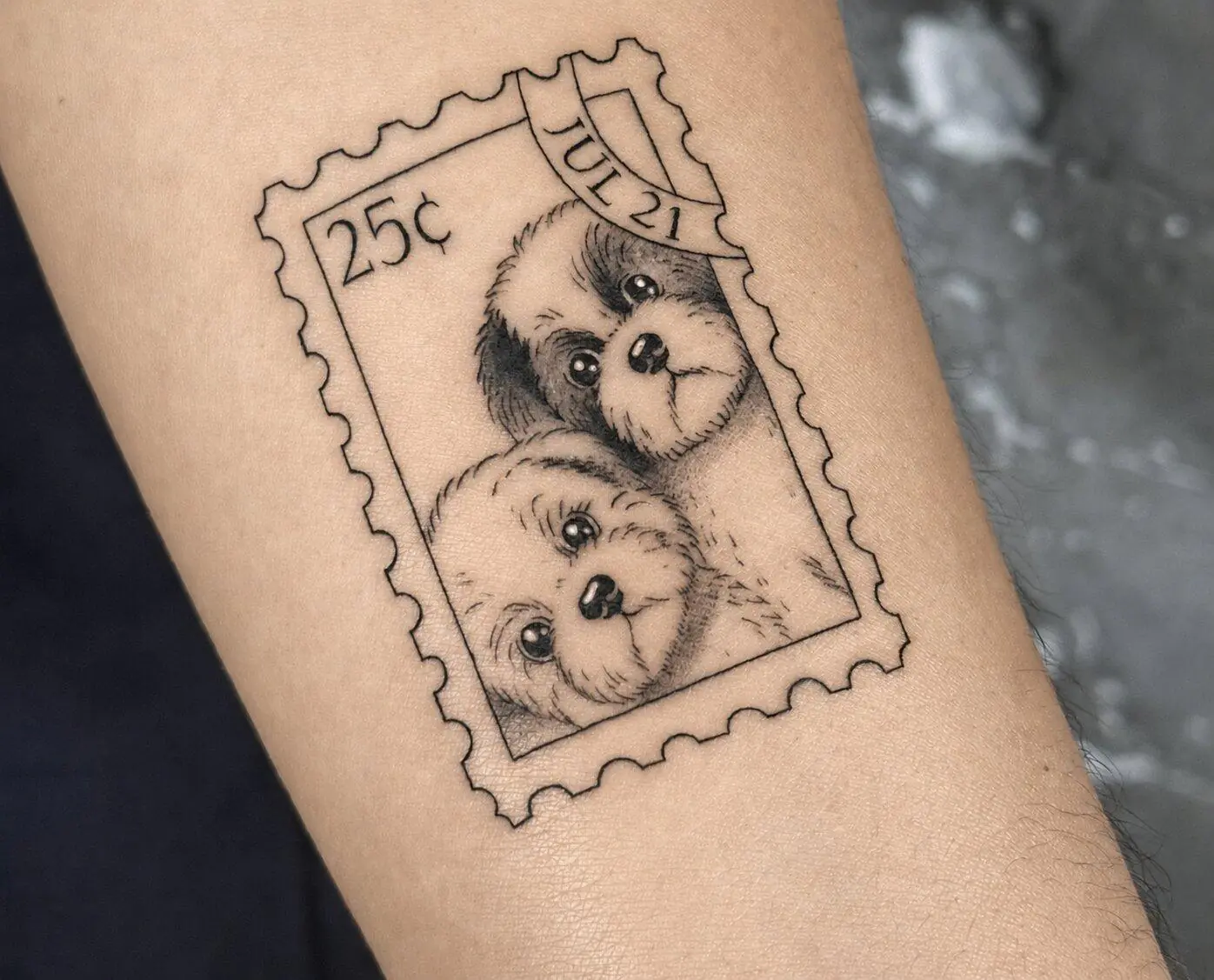
A small portrait of a pet, a face, or a meaningful object reads beautifully on the outer forearm where the skin sits flatter. Microrealism in delicate fine line tattoos requires an artist who works tight and clean, since shading at this scale leaves no room to fix mistakes mid-session. Most pieces in this style stay around two to four inches.
Geometric and Linework Panels
Fine line geometry suits people who like structure. Think dotwork mandalas, thin-line constellations, or repeating patterns that follow the natural lines of the arm. These pieces also make strong building blocks if you eventually want to grow into a forearm sleeve tattoo without committing to one giant concept upfront.
Sizing Your Piece to the Arm
Most fine line forearm tattoos sit between two and six inches, with sleeve concepts running the full length from wrist to inner elbow.
A common mistake is going too small on a piece that needs detail. A portrait at one inch will lose its features within a year or two. Your artist will give you a minimum size based on the design, and that number is usually higher than what people initially imagine.
Does a Forearm Tattoo Hurt?
Forearm tattoos rank among the least painful placements, though spots near the wrist and the inside of the elbow run more sensitive.
Most people describe the outer forearm as a four out of ten on a pain scale. The inner forearm sits closer to a five or six because of thinner skin and more nerve endings. The wrist bone and the elbow ditch are the two areas where clients tend to wince. If you are sitting for a longer session, your artist will usually save those spots for the middle of the appointment when your adrenaline is highest.
According to general guidance from the Cleveland Clinic, pain tolerance varies widely between individuals, and factors like sleep, hydration, and food intake before your session matter more than where the tattoo is placed.
How Forearm Tattoos Hold Up Over Time
Sun exposure is the biggest factor in how an arm tattoo ages. Your forearms see more UV than almost any other part of your body, especially during summer in the city when you are outside walking, biking, or sitting on rooftops. Without protection, fine lines start to soften within five to seven years, and color work fades faster than that.
The fix is straightforward. SPF 50 on your tattoo any time it sees direct sun, even on cloudy days. Reapply if you are out for more than a couple of hours. Once your tattoo is fully healed, sunscreen is the single most important thing you can do to keep your linework sharp.
For larger projects like a forearm sleeve tattoo, expect a touch-up around the five to seven year mark to refresh any areas that have softened. Touch-ups on fine line pieces are usually quick and far less intensive than the original session.
Choosing the Right Artist for the Style
Not every tattooer works comfortably at this scale. Fine line requires a steady hand, a single-needle technique, and an eye for spacing that comes from years of practice. When you are looking through portfolios, pay attention to healed photos rather than fresh ones. Healed work is the real test of how linework holds up over time.