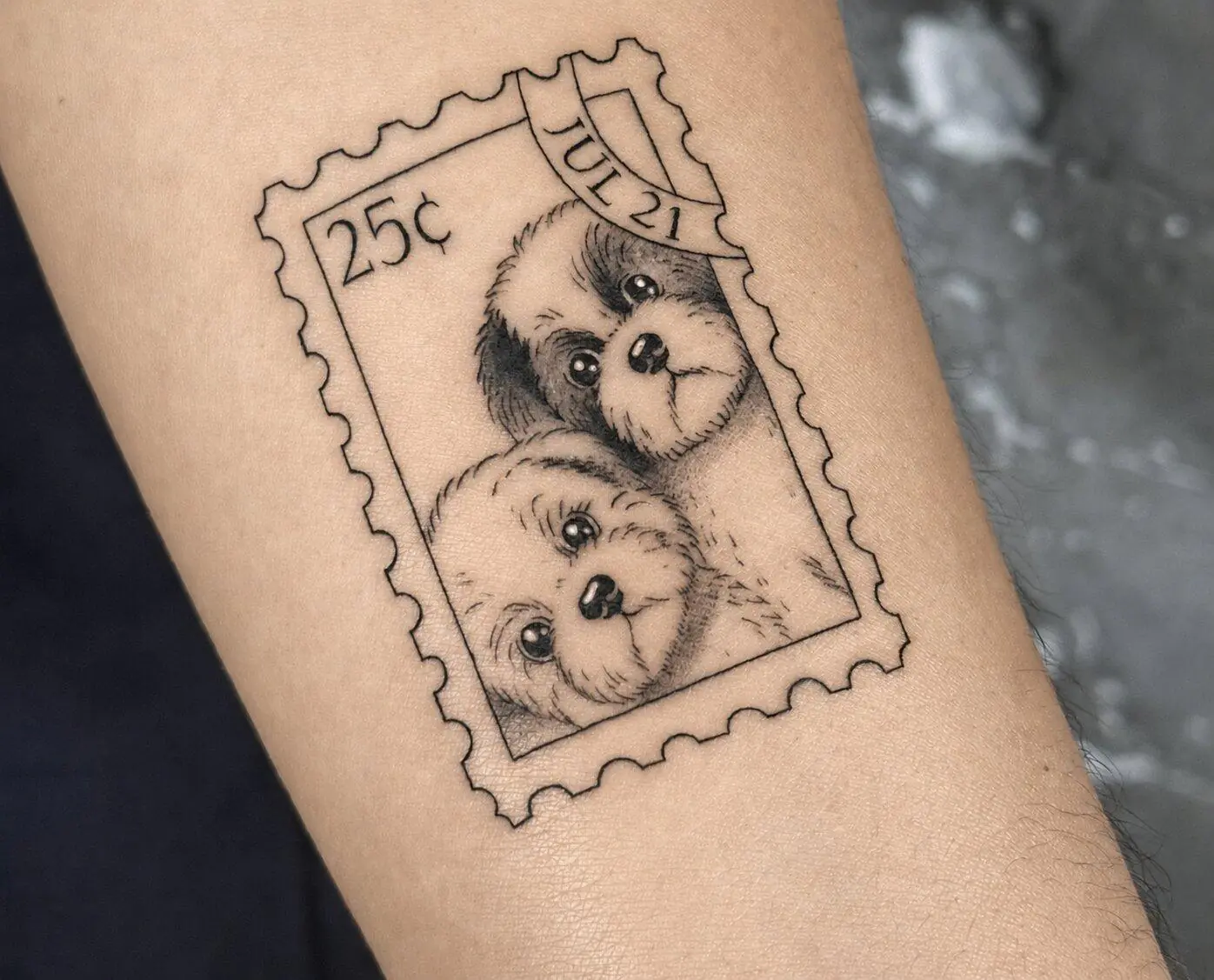
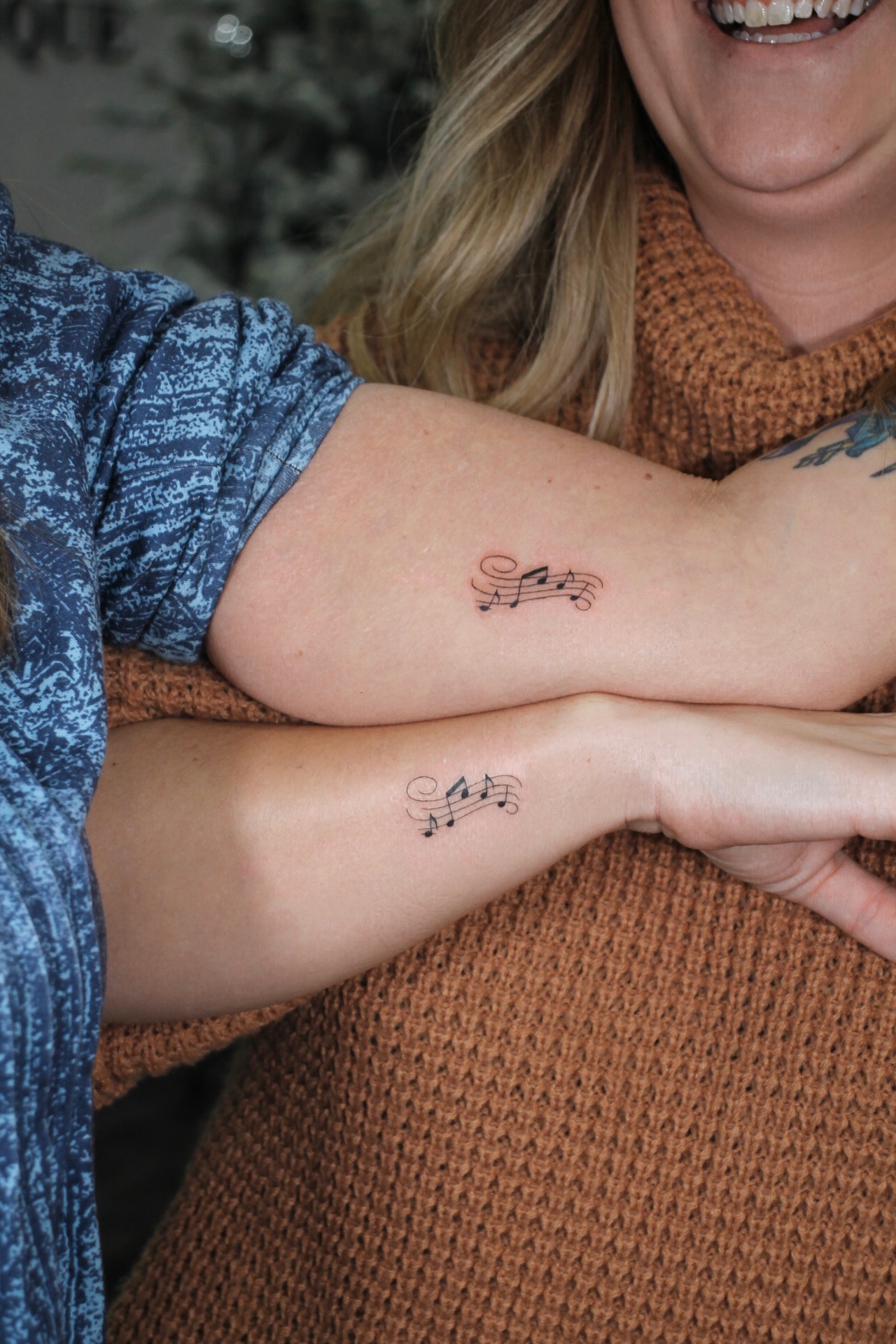
The core first tattoo tips to know before booking in NYC are simple. Bring a valid government ID, pick a clean studio with a posted health permit, budget somewhere around 200 to 500 dollars, and expect the visit to last one to two hours. Everything else gets easier once you understand how a real Manhattan studio runs an appointment.
Getting inked for the first time tends to bring a mix of excitement and nerves. Maybe you have saved a folder of ideas for months, or you walked past a studio and felt ready. The questions are usually the same regardless of the design. What will it cost, will it hurt, and how do you tell a good shop from a questionable one. This guide answers all of it in plain terms, with the local rules and pricing that apply specifically to New York City.
How Do You Choose Your First Tattoo Design?
Start with meaning rather than looks. Think about what matters to you, a memory, a value, a person, then let an artist help translate that into something wearable. There is no need to rush, and most NYC studios offer a free consultation where an artist refines the idea with you.
References help more than people expect. Screenshots of styles you like, photos of objects, even a rough color palette give an artist clear direction. Bringing a fixed design leaves little room to adapt the piece to your body, while bringing a concept lets the artist shape something that flows with the placement. Trusting their read on the idea usually produces a stronger result, since they know how lines settle over years and where a design ages well. If you are still circling an idea, you can book a free consultation to discuss your first tattoo and walk out with a plan before any needle touches skin.
How Much Does a First Tattoo Cost in NYC?
Plan to spend roughly 200 to 500 dollars for a typical first tattoo in Manhattan. Most professional studios set a minimum of 150 to 250 dollars no matter the size, and a small to medium first piece usually lands in the 250 to 400 dollar range.
Several factors move that number, and size carries the most weight, followed by placement, color, and how established the artist is. Studios quote the final price after your consultation, since they can only judge the work once they see the design and the spot it will go.
Factor | Lower cost | Higher cost |
Size | Small, under two inches | Large or highly detailed |
Placement | Flat, easy areas like the forearm | Curved or tight spots like ribs |
Color | Black ink only | Full color or heavy shading |
Artist | Newer artist | Senior or in demand artist |
Does Getting a Tattoo Hurt the First Time?
Yes, though it is far more manageable than most people fear. The common description is a hot scratching feeling, uncomfortable but not unbearable. Pain depends heavily on placement, and a small first piece on a fleshy area is often done in 15 to 30 minutes.
Your body releases adrenaline early in the session, which tends to dull the sensation after the first few minutes. Size does not lower the pain the way people assume, so a tiny tattoo on the ribs can sting more than a larger one on the forearm. Choosing a forgiving spot for your first piece makes the experience much easier to handle.
Pain level | Body areas |
Mild | Outer forearm, upper arm, calf |
Moderate | Shoulder, thigh, back |
Intense | Ribs, feet, spine, hands |
How to Prepare for Your First Tattoo Appointment
Good preparation comes down to a few habits. Eat a full meal one to two hours before, drink plenty of water in the day leading up, sleep well the night before, and skip alcohol for 24 hours. Wear comfortable clothing that gives the artist easy access to the area.
Treat the visit a little like a medical appointment. Steady blood sugar and good hydration help you stay comfortable in the chair, and well rested skin takes ink better. If you have a condition near the spot, such as eczema, mention it in advance, since a flare up might mean rescheduling.
What to Bring to Your Appointment
A short checklist keeps the morning calm. Pack these before you head out.
- Valid government ID, required by New York State law
- Reference images, saved on your phone is fine
- Water and a small snack
- Cash for a tip, with 15 to 25 percent being standard in NYC
- Headphones if music or a show helps you relax
What to Expect at Your First Tattoo Appointment
You will arrive, review the final design, approve where the stencil goes on your skin, then settle in for the tattoo. From walking in to walking out, a typical first piece runs about one to two hours.
The visit opens with paperwork and a hand wash, then your artist places a stencil so you can check the size and position in a mirror. Speak up if the placement feels off, since shifting a stencil is normal and easy at that stage. Once you both agree, the machine starts and your job is to stay relatively still and breathe. Breaks are fine, so if you feel lightheaded or need to stretch, say so and your artist will pause.
How to Choose the Right Artist for Your Style
A first tattoo feels easier with an artist whose style matches your idea. Fine line work, botanicals, microrealism, and anime each call for different strengths, so matching your concept to the right person leads to cleaner, more confident results.
IGLÀ’s team covers a wide range, which gives a beginner room to find a good fit. Holly leans into x-ray florals and abstract fine line, Sophia favors whimsical botanicals, and Maria moves between anime and floral pieces. Christine focuses on minimalist fine line, while Pavel and Alex both handle microrealism and nature work with a graphic edge. Looking at each artist’s healed work, not only fresh photos, shows you how their lines hold up months down the line.
How to Find a Reputable Tattoo Studio in NYC
Look for a posted NYC Health Department permit, scan the artist’s portfolio for consistent quality, read recent Google reviews, and visit in person before you commit. A clean, well lit space with staff who answer questions without pressure is a strong sign.
New York City regulates tattoo studios through its Health Department, and a legitimate shop displays its permit where clients can see it. The gap between a professional studio and a questionable one usually shows in the small details, sealed needles, single use supplies, and an artist who explains their setup without being asked.
Environment matters too, especially for a nervous first timer, which is part of why our gallery-style Midtown Manhattan studio was designed to feel calm and open near several subway lines rather than like a stereotypical parlor. If you want a sense of how a shop treats people new to ink, you can learn about IGLÀ’s approach to first-time clients and decide if the space feels like the right place to start.