The Ultimate Tattoo Aftercare Guide: Healing for the Long Haul
Congratulations on your new tattoo! It’s a permanent piece of art, and how you care for it in the first few weeks is crucial for how it will look for the rest of your life. Proper aftercare prevents infection, minimizes scabbing, and ensures your tattoo heals brightly and sharply.
A Critical Note First: Always listen to your tattoo artist first and foremost. This guide is a general standard of care, but your artist may have specific instructions based on their technique, the style of the tattoo, or the products they use. When in doubt, your artist’s advice overrides anything you read online.
Understanding the Healing Stages
Knowing what to expect will help you understand why each step is important.
Healing happens in stages:
Days 1-3: Oozing and Inflammation. The tattoo is an open wound. It will be red, swollen, and tender. Plasma, ink, and a little blood will seep out. This is normal.
Days 4-14: Tightness and Peeling. The tattoo will start to dry out and form a thin, shiny layer of scab. It will feel tight and itchy. It will then begin to peel, much like a sunburn. Do not pick or peel it!
Weeks 3-4: Deep Healing and Itching. The surface may look healed, but the skin layers underneath are still repairing. This stage can be very itchy.
Month 2+: The tattoo is fully settled. The skin should look smooth, even, and any colors should be vibrant.
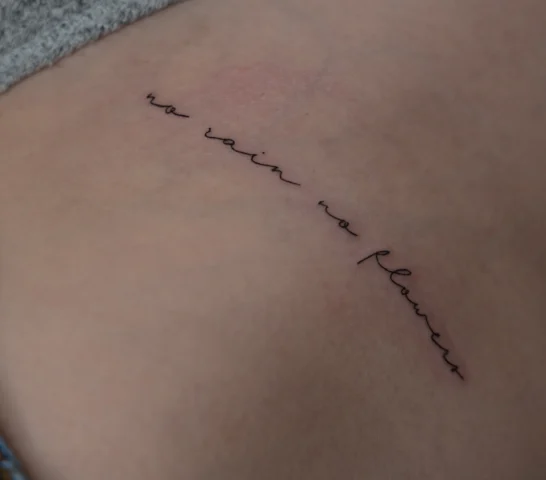
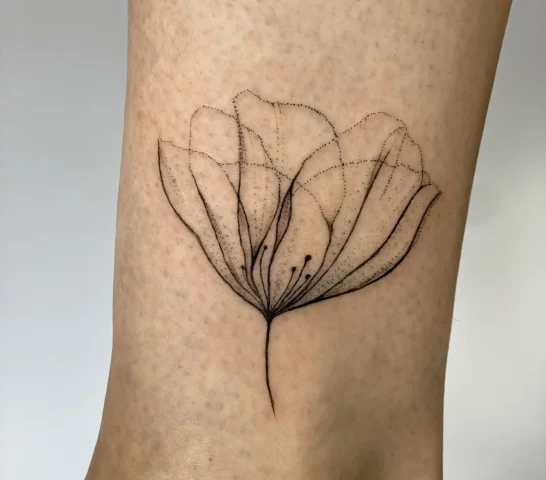
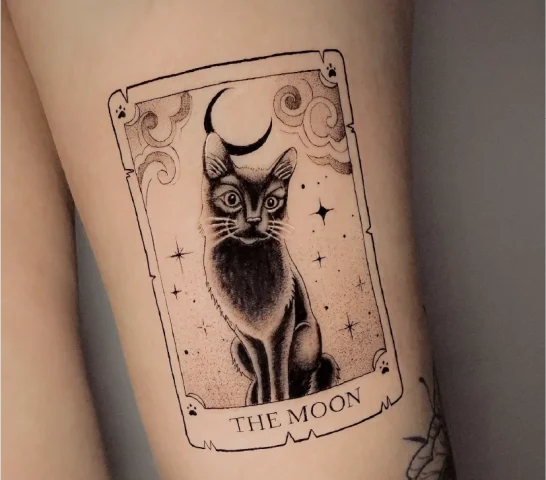
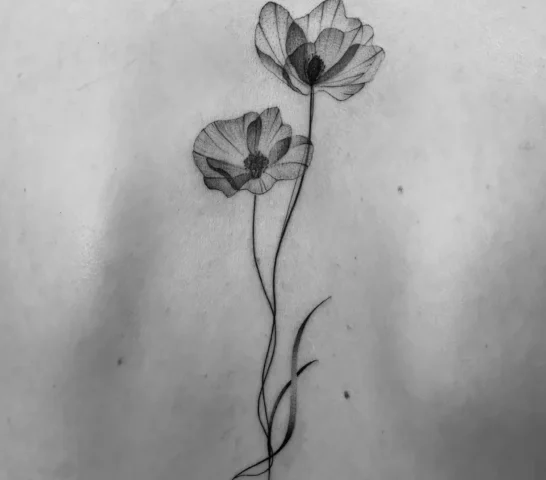
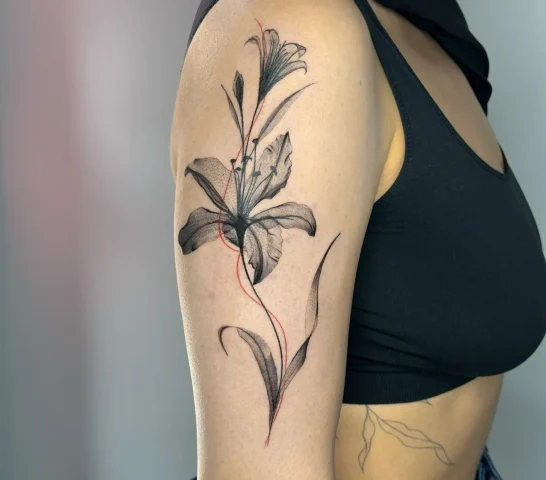
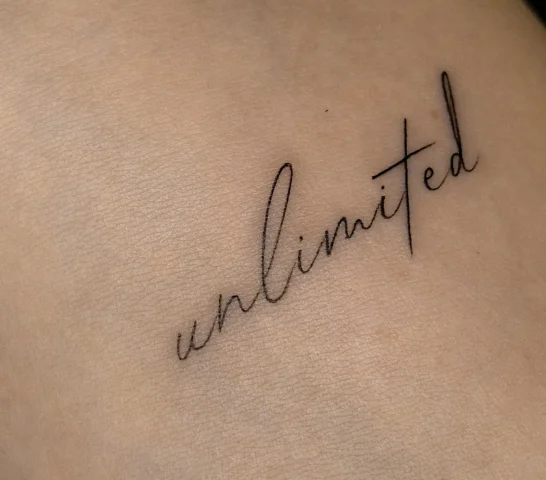
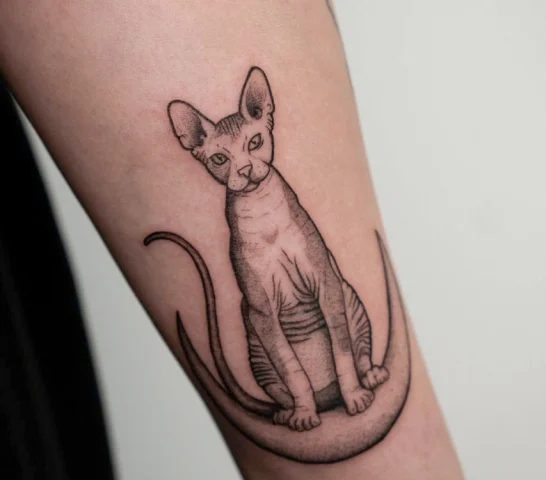
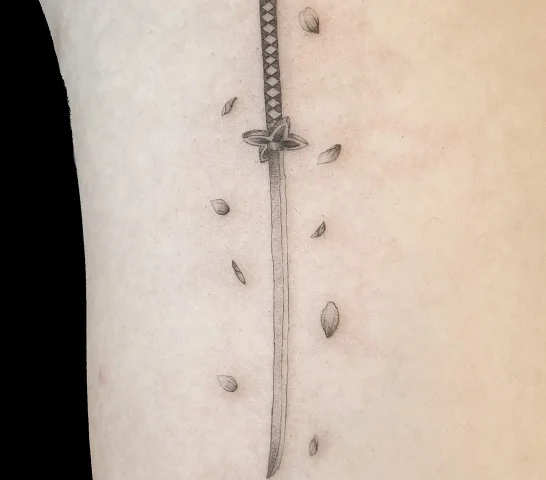
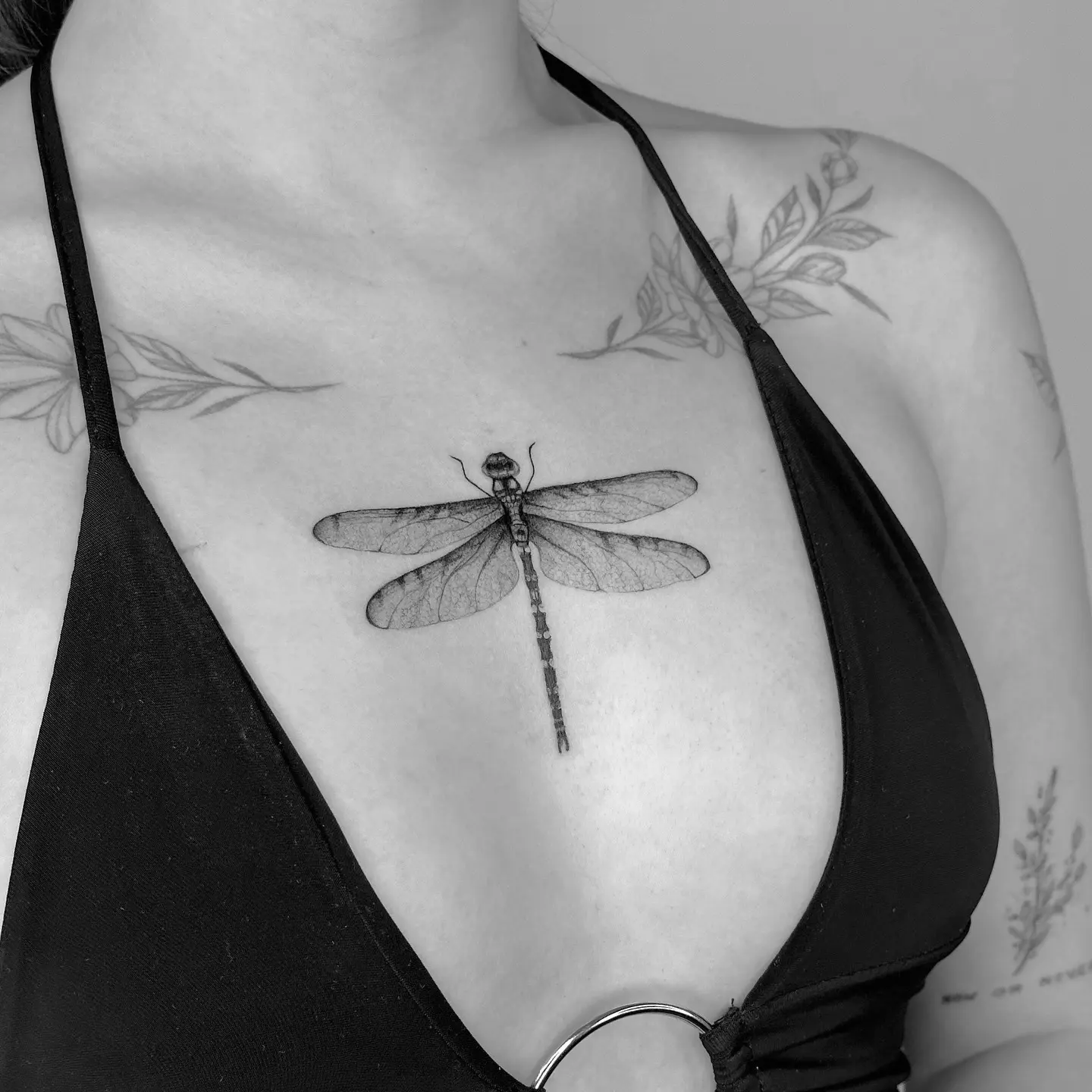
An important note on fine line tattoos: Fine line tattoos heal lighter because they use fewer needles and less ink, creating less trauma, and the ink sits closer to the skin’s surface, making it more susceptible to the body’s natural shedding and immune response. This results in a softer, more subtle, “airy” look, unlike bold traditional tattoos that pack in more ink for saturation. The lighter appearance is normal and often desired, though touch-ups might be needed for crispness.
Phase 1: The First Few Hours & Days (The "Open Wound" Stage)
Your artist will typically apply a bandage or adhesive film (like Saniderm/Tegaderm). Follow their instructions for this specifically.
Option A: Adhesive Bandage (Saniderm/Tegaderm)
Leave the first bandage on for: 2-3 days. It will fill with plasma and ink—this is normal and creates a perfect healing environment.
Removal: To remove, stretch the film from one edge parallel to the skin (like removing a command strip from a wall), rather than pulling it directly away from the tattoo. Do this slowly under running water to help loosen the adhesive.
After Removal: Wash the tattoo gently, pat dry, and let it air dry.
First Wash:
Use lukewarm water and a fragrance-free, antibacterial liquid soap (e.g., Dial Gold, Provon).
With clean hands, gently lather the soap and wash the tattoo using only your fingertips. Remove all traces of blood, plasma, and ointment.
Rinse thoroughly and pat dry with a clean, disposable paper towel. Do not use a cloth towel, as it can harbor bacteria.
Let the tattoo air dry for 15-30 minutes.
Option B: Traditional Bandage (Glad Wrap/Cling Film)
Leave it on for: 2 to 4 hours, or as directed by your artist. Do not leave it on overnight unless specifically instructed.
Removal: Gently remove the bandage under lukewarm, running water. Wash your hands thoroughly before touching your tattoo.
- After Removal: Wash the tattoo gently as described above, pat dry, and let it air dry.
Phase 2: The First 1-2 Weeks (The Moisturizing & Peeling Stage)
After the initial wash and once the tattoo is completely dry, you begin the wash-moisturize-repeat cycle.
1. Washing:
Wash your tattoo 2-3 times a day, or as needed if it gets dirty.
Always use your fingertips, never a washcloth or loofah.
Be gentle—do not scrub.
2. Moisturizing (The Thin Layer Rule):
After washing and completely air-drying, apply a very thin layer of aftercare product.
What to Use: A fragrance-free, alcohol-free moisturizer is key. Popular and artist-recommended choices include:
Aftercare-Specific Ointments: (e.g., Hustle Butter, Tatwax) – Use for the first 3-4 days.
Unscented Ointments: (e.g., Aquaphor Healing Ointment) – Use very sparingly for the first 3-4 days. A pea-sized amount is often enough. It’s easy to over-apply, which can clog pores and cause breakouts.
Unscented Lotions: (e.g., Lubriderm, Eucerin, Aveeno Fragrance-Free) – After the first 3-4 days, or if the tattoo feels tight and dry, switch to a lightweight, unscented lotion.
The Goal: The tattoo should look hydrated and have a slight sheen, but not be greasy, shiny, or clogged. If it looks glossy, you’ve used too much. Wipe off the excess. A tattoo needs to breathe to heal.
Phase 3: The Itchy & Flaky Stage (Weeks 2-4)
This is the most challenging part mentally.
DO NOT SCRATCH, PICK, OR PEEL. Scratching can introduce bacteria and will pull out ink, leading to patchy healing and faded spots. If you see a loose, flaky piece of skin, let it fall off naturally.
To relieve itching:
Gently slap or tap the area around the tattoo (not directly on it).
Apply a little more unscented lotion to moisturize the dry skin.
Keep it clean to prevent any secondary irritation.
The "DON'Ts" of Tattoo Aftercare
DON’T submerge your tattoo in water. No swimming pools, oceans, lakes, or baths for at least 2-3 weeks. Showers are fine.
DON’T expose your tattoo to the sun. A healing tattoo is extremely sensitive to UV rays, which can cause fading and blistering. Once fully healed, always apply a high-SPF sunscreen to keep your tattoo vibrant.
DON’T wear tight, restrictive, or non-breathable clothing over the tattoo. Friction and lack of air can cause irritation and slow healing.
DON’T let pets, dirty hands, or bodily fluids (sweat is okay, but wash it off) come into contact with the healing tattoo.
DON’T apply Vaseline, Neosporin, or alcohol to your tattoo. Vaseline suffocates the skin, Neosporin can cause allergic reactions and isn’t necessary for a clean tattoo, and alcohol is far too harsh.
Troubleshooting: When to Be Concerned
While some redness and swelling are normal, watch for signs of infection. Contact a doctor if you experience:
Excessive, worsening redness and swelling that spreads out from the tattoo.
Pus (thick, yellow, or green discharge, not clear plasma).
Prolonged, intense pain or a throbbing sensation that doesn’t subside.
Fever or chills.
Red streaks radiating from the tattoo.
If you have a minor rash or pimples around the tattoo, you may be having a reaction to the product you’re using (often Aquaphor). Stop using it, switch to a plain, unscented lotion, and keep the area clean.
Long-Term Care
Your responsibility doesn’t end after a month. To keep your tattoo looking its best for decades:
MOISTURIZE: Keep the skin healthy with regular lotion.
SUN PROTECTION: This is the single most important factor for longevity. Always use a high-SPF (50+) broad-spectrum sunscreen on your tattoo when it’s exposed to the sun.
By following this guide carefully, you are giving your new investment the best possible start to a long and beautiful life. Enjoy your art!