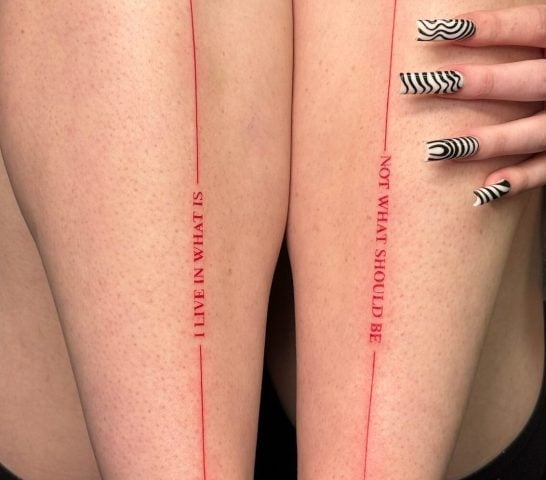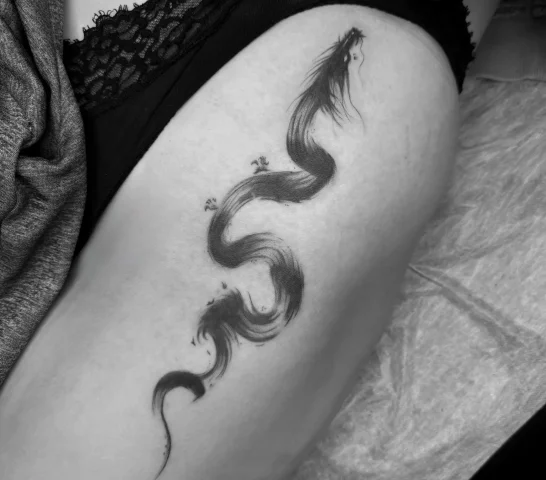

A tattoo to remember someone who passed is one of the most personal pieces of art you will ever wear. It lives on your skin as a quiet, permanent reminder that the people and animals who shaped your life are still with you in some way.
This guide covers the most common memorial tattoo ideas in fine line style, from symbolic motifs and handwriting reproductions to tips on personalizing your design and working through the process with your artist.
Why People Get Memorial Tattoos
Tattooing the body after loss goes back centuries. Sailors inked the names of loved ones before crossing oceans. Soldiers carried reminders of family into battle. The impulse has always been the same. People want something physical to hold onto after someone is gone.
A meaningful memorial tattoo gives grief a shape. It moves something invisible into the visible world, a mark you can look at and touch on the days when the absence feels heaviest.
In Memory Tattoo Designs and What They Symbolize
Certain motifs show up again and again in tribute tattoos because they carry widely understood meaning. Here are some of the most popular, and why they resonate.
Dates and Roman Numerals
Birth dates, passing dates, and anniversaries are some of the most requested elements. Roman numerals add a classic, understated feel and translate well into fine line work. These are often placed along the collarbone, inner arm, or ribs.
Handwriting Tattoo Memorial Ideas
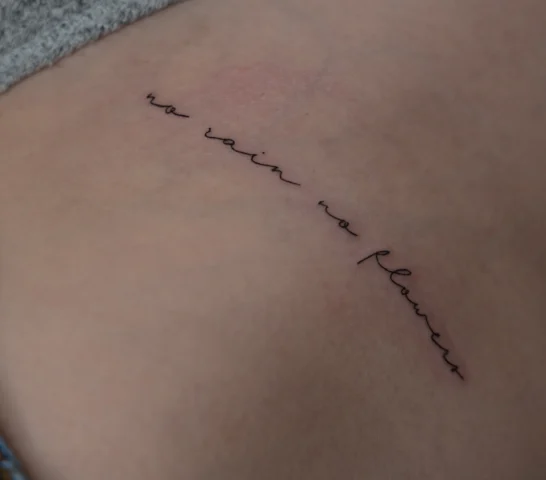
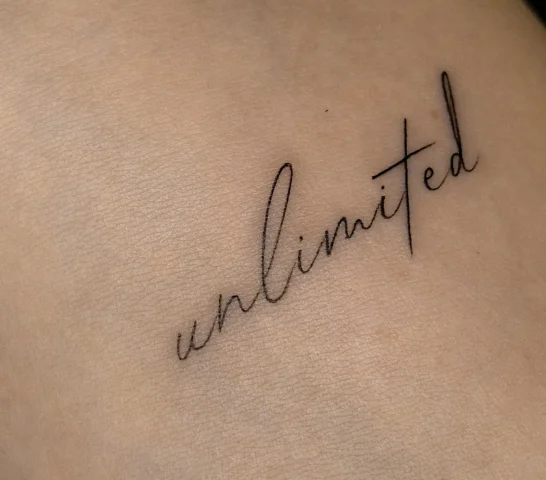
If you have a card, a letter, or even a signature from the person you lost, an artist can transfer that handwriting onto your skin. A handwriting tattoo memorial is powerful because no two are alike. The loops, the pressure, the way they crossed a T or signed their name belongs only to them and only to you.
Fine Line Portraits and Silhouettes
A small portrait or a simple silhouette outline can capture someone’s likeness without needing a large photorealistic piece. Fine line portraits age well at a small scale and sit comfortably on the forearm, shoulder, or upper arm.
Birds in Flight
Swallows, sparrows, and doves have long represented the freedom of the soul after death. A single bird or a small flock in thin linework creates a light, hopeful image. Many people connect it with release, peace, and letting go.
Flowers That Hold Personal Meaning
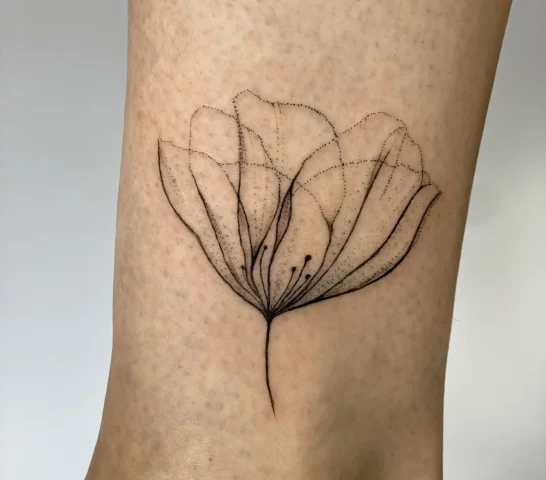
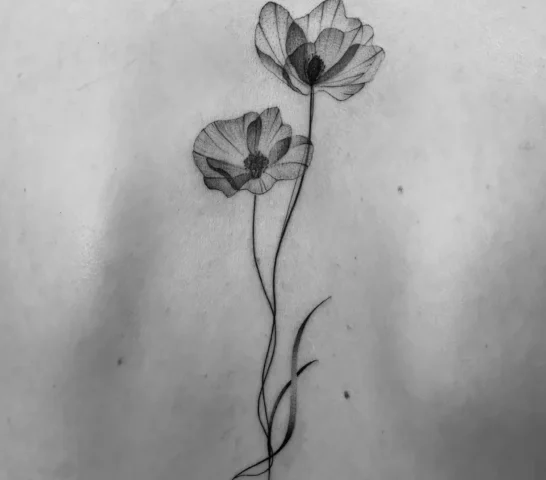
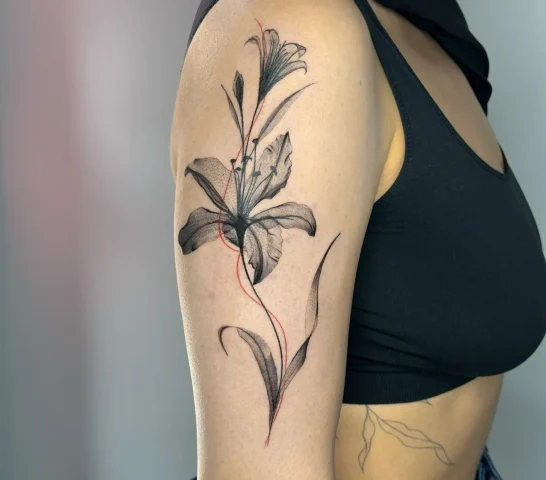
Lilies are traditionally tied to funerals and sympathy. Roses speak to enduring love. But the most memorable floral tributes tend to be specific. A grandmother’s garden rose. A partner’s favorite wildflower. A bloom connected to a birth month or a shared memory will always carry more weight than a generic flower.
Celestial Imagery and Angel Wings
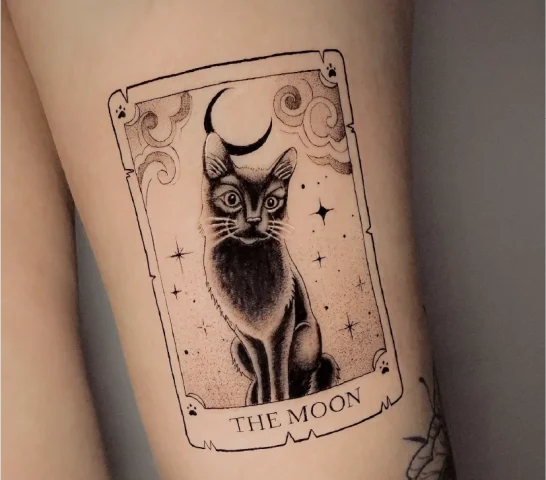
Angel wings, crescent moons, constellations, and star clusters show up often in memorial tattoos. Celestial designs translate beautifully into fine line because of the thin strokes, dotwork, and soft shading involved. They tend to feel quiet and reverent without being heavy.
Heartbeat Lines and EKG Patterns
Some clients bring in an actual heartbeat recording from a medical record. Paired with a name or a date, a heartbeat line becomes one of the more emotionally direct tribute tattoo designs you can get.
Pet Memorial Tattoo Ideas for Dogs, Cats, and Other Companions
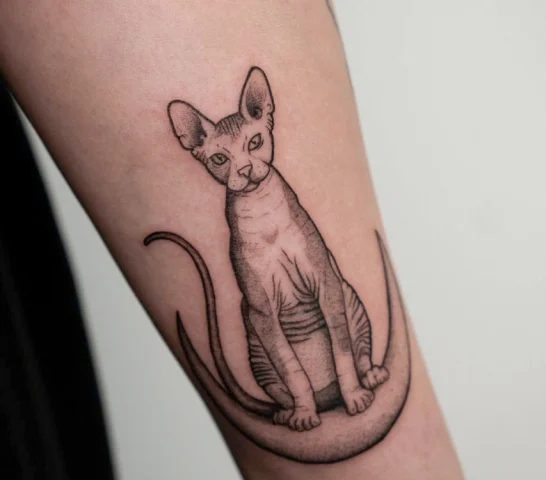
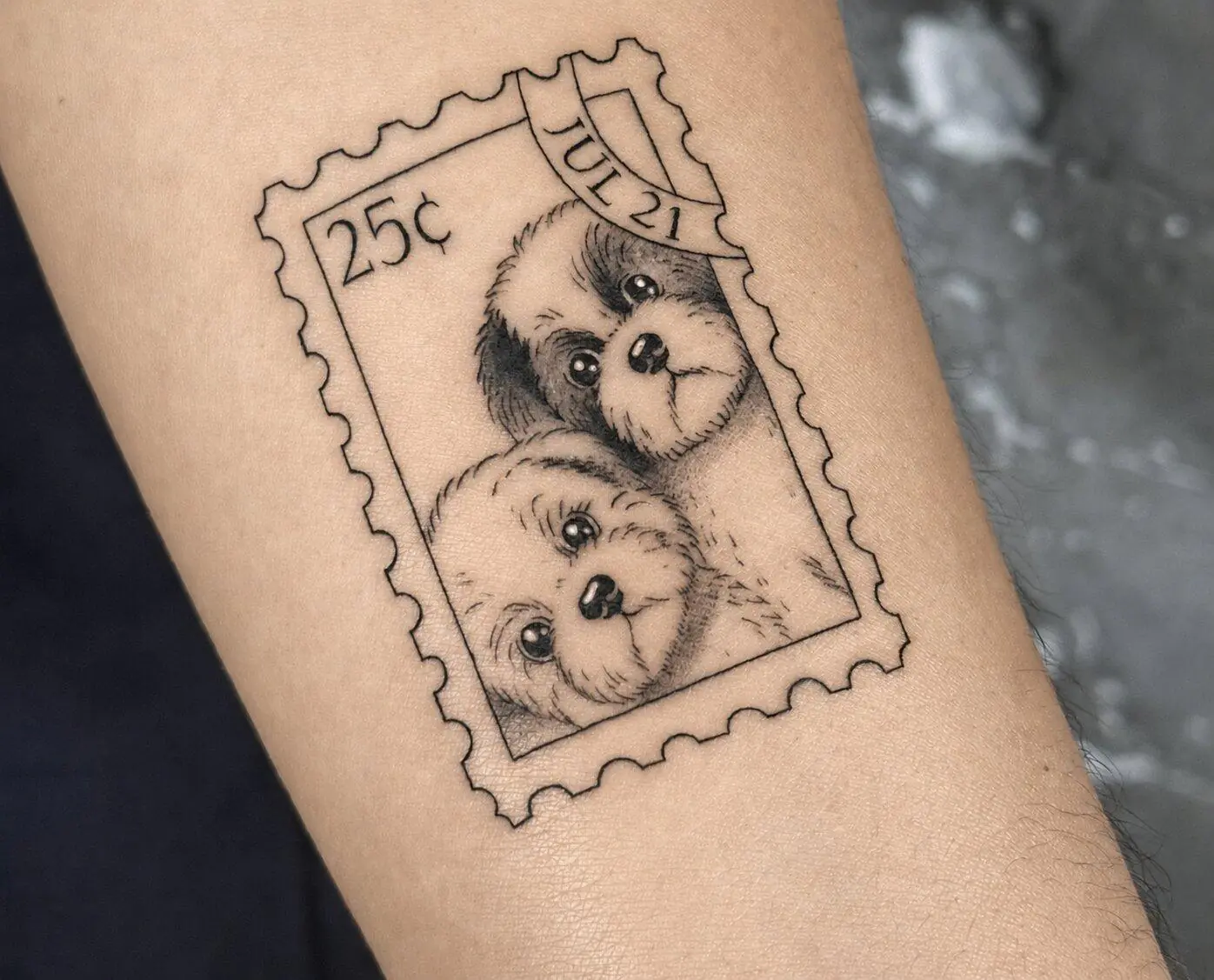
Loss is not limited to people. For many, a pet is family. Pet memorial tattoo ideas have become one of the most requested categories in fine line work. Small paw prints, nose prints, and simplified line portraits let you keep your companion close in a way that feels natural and understated.
Some people bring in a favorite photo and ask for a line drawing. Others pair a paw print with a name or a small heart. The result is always personal and always different from the last one.
How to Design a Tribute Tattoo for a Loved One That Feels Right
The memorial tattoos that stay with people the longest are the ones built from details only they fully understand.
Think about what defined your relationship. Was there a phrase they repeated all the time? A place you visited together? A symbol that connected you to each other? A coffee cup for a parent you shared mornings with. Coordinates of a place that mattered. A lyric in their handwriting. These details turn a tattoo from a symbol into a conversation between you and your memory.
Why Fine Line Work Fits Memorial Tattoos So Well
Fine line tattooing is well suited for memorial pieces because of how it handles detail at a small scale. Thin, single-needle lines can reproduce handwriting faithfully, render a tiny portrait clearly, and create floral elements that feel soft rather than heavy.
This also opens up placement options. Memorial tattoos often go on intimate areas like the inner wrist, behind the ear, along the ribs, or over the heart. Fine line work fits those spots naturally because it holds its detail without needing a large canvas.
What to Expect From the Consultation and Session
Sharing Your Story With Your Artist
A consultation for a memorial piece should feel like a real conversation. Bring whatever you have. Photos, handwriting samples, objects, or a description of the feeling you want the tattoo to hold. The more your artist understands about the person or pet and what they meant to you, the stronger the custom piece will be.
Being Emotional During the Tattoo
It is completely normal to cry or feel overwhelmed during a memorial session. A good artist will never rush you through it. The process of getting the tattoo is part of the grieving, and many people describe the session itself as a form of closure they did not expect.
Carrying Them With You
A memorial tattoo will not fix grief. It will not fill the space someone left behind. But over time, it becomes something steady. A line of handwriting you trace with your finger on a hard morning. A small portrait that catches your eye in the mirror and makes you smile.
It becomes part of how you carry them forward. And if you are thinking about starting the process, requesting a consultation is a good place to begin.