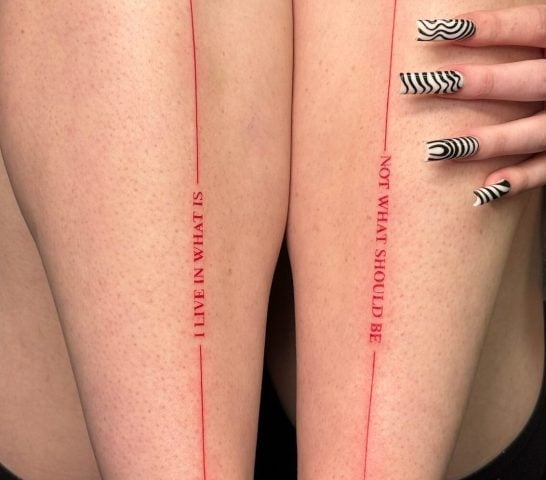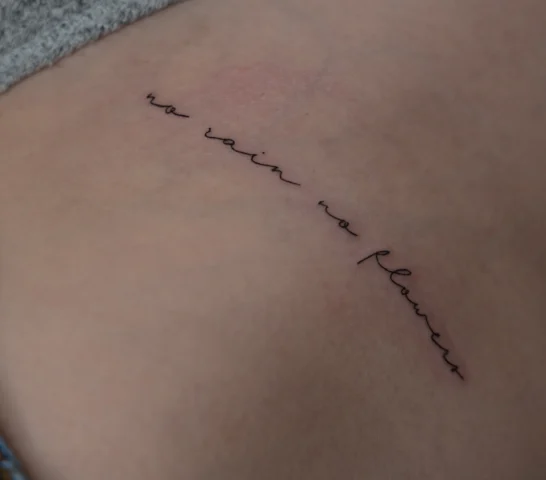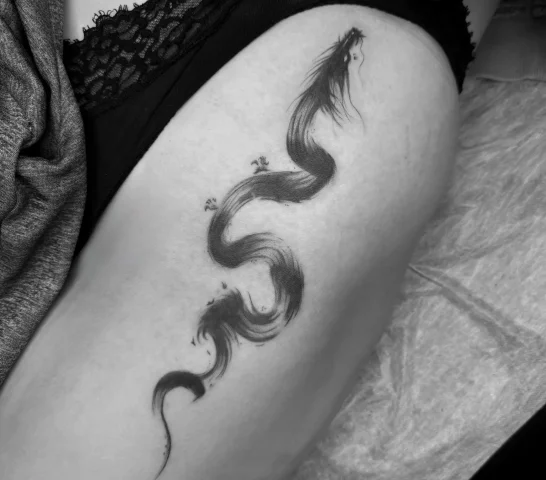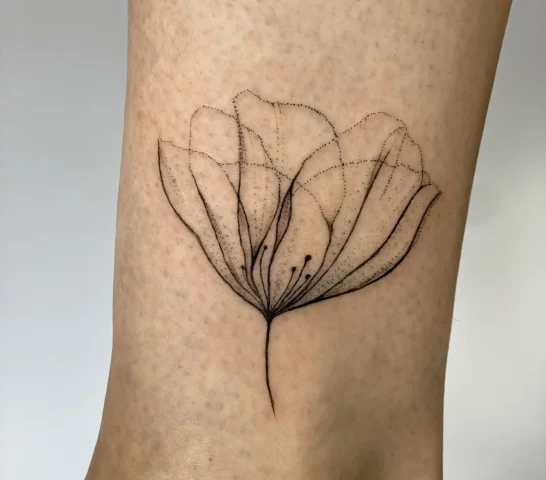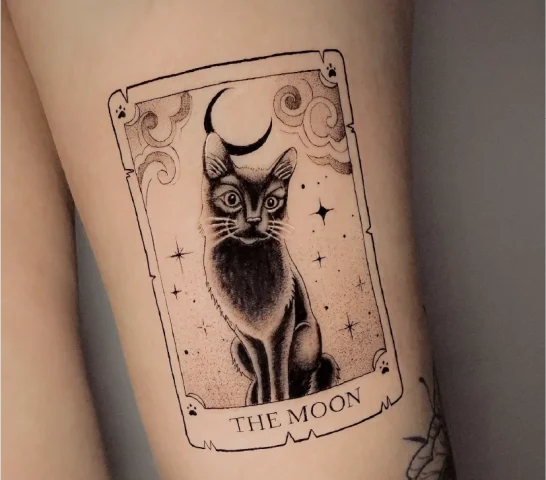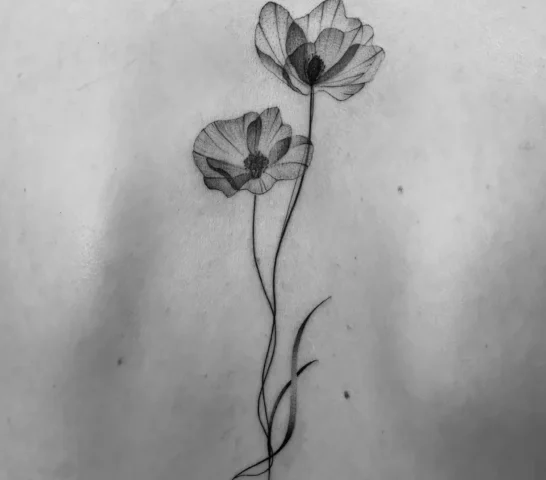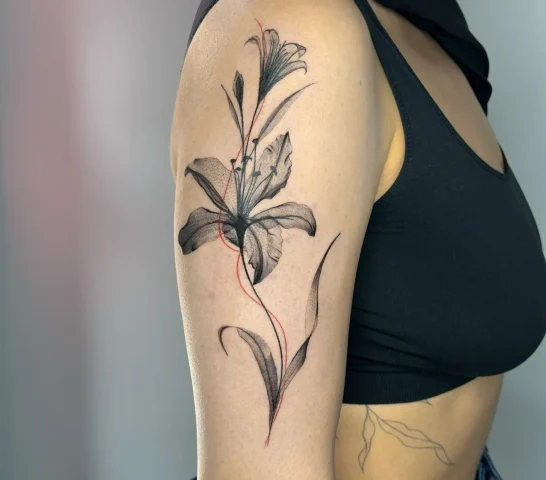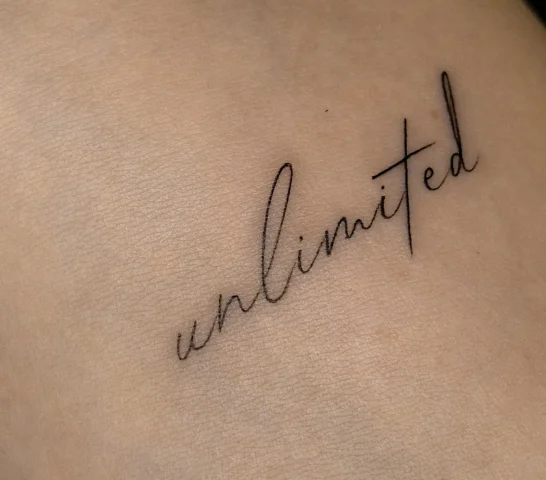
Remember how your tattoo looked the day you got it? Sharp lines, vibrant colors, every detail exactly where it should be. But tattoos live on your skin, and your skin changes constantly. Sun exposure, natural aging, even the simple act of regeneration affect how your ink looks over time.
Touch-ups aren’t a sign something went wrong. They’re just part of having a tattoo. Some pieces need a refresh after a few years, others can go decades looking great. Understanding what causes fading helps you decide if your tattoo could use some attention.
Why Even Great Tattoos Fade Over the Years
Your skin is always working. New cells form, old ones shed, and the whole system responds to everything from sunshine to stress. Tattoo ink sits in the dermis, but that doesn’t make it immune to change.
UV rays break down ink particles. Even short bursts of sun exposure add up. Black and grey ink holds up better than bright colors, but nothing stays perfect forever. Your immune system also plays a role, slowly recognizing tattoo ink as foreign and working to break it down.
Location affects how fast a tattoo fades. Hands, feet, and fingers get constant friction and have faster skin turnover. Fine line tattoos can blur more noticeably than bold designs. Areas that stretch or move frequently may show changes faster.
How to Tell If Your Tattoo Needs a Touch-Up
Blurred Lines
Ink has spread slightly under the skin. Lines that have spread are common in detailed work. If you’re squinting to make out parts of your design, fresh ink can sharpen things up.
Dull Colors
UV exposure has faded pigment. Colors naturally lose intensity—that bright red might look pink now, and blues shift toward grey.
Patchy Spots
Ink didn’t hold evenly or has worn away. This happens when certain areas of your skin didn’t retain pigment as well during initial healing.
Loss of Detail
Fine elements have become harder to see. Fine line work shows these changes more obviously since even slight fading affects delicate details.
Not every sign of aging requires immediate action. Some people like how their tattoos soften over time. But if you’re bothered by how your ink looks, a faded tattoo touch up can restore clarity and color.
What Does Your Artist Do During a Tattoo Touch-Up Session?
A touch-up looks similar to getting your original piece. Your artist cleans the area, preps your skin, and goes over the existing design with fresh ink. Sometimes that means retracing lines. Other times it involves adding color to faded sections.
How long it takes depends on what needs work. Small touch-ups might need 20 to 30 minutes. Larger pieces with significant fading could take a full session.
Healing works the same way it did the first time. Following proper aftercare with second skin helps you get the best results. Healing often goes faster since you’re not covering as much fresh skin. Most touch-ups are fully healed in two to three weeks.
Pain levels vary. Some people find it easier than the original tattoo because less area is involved. Others find going over already-tattooed skin more sensitive. It depends on your body and where the tattoo is located.
What to Know About Studio Policies on Tattoo Touch-Ups
Every studio handles touch-ups differently. Some offer a complimentary session within the first few months to address healing issues. Others charge for all work after the tattoo has healed. Knowing what to expect before you get inked helps avoid surprises.
What Affects Touch-Up Pricing?
Touch-up sessions typically aren’t free once you’re past the initial healing period. A few things factor into whether you’ll pay and how much:
- How much work is needed
- How long it’s been since your original tattoo
- What caused the fading
How Do Studios Charge?
Some studios charge hourly rates. Others have flat fees for minor adjustments. Ask about pricing before booking so you know what you’re walking into.
What You Can Expect to Pay for a Tattoo Touch-Up
Pricing varies based on several factors. A small correction on a recent tattoo costs less than restoring a piece that’s been fading for years. Size matters, but so does complexity and how much ink needs to be added.
- Minor line work typically runs $100 to $150.
- Color refresh on small areas usually costs $150 to $250.
- Extensive restoration runs $250 to $500 or more depending on the work involved.
- If you go to a different artist or studio, expect hourly rates since they’re starting fresh with your piece.
Should You Return to Your Original Artist?
Going back to your original artist often works well because they already know your tattoo. They remember what ink they used, how your skin took the pigment, and what techniques work best.
Does Timing Affect Cost?
A touch-up soon after healing usually costs less than waiting years for major fading to set in.
The Best Time to Schedule Your Tattoo Touch-Up
Your tattoo needs to be completely healed before any touch-up work can happen. For most people, that’s six to eight weeks minimum. Larger pieces or those with lots of color might need up to three months.
Once healed, you can evaluate if anything needs attention. Small inconsistencies from healing are best addressed within the first few months. This includes spots where ink didn’t take evenly or lines that need refinement.
- Standard Tattoos: Plan for touch-ups every 5 to 10 years.
- Fine Line Work: These often need attention sooner—every 3 to 5 years.
- Hand and Finger Tattoos: Expect touch-ups every 2 to 4 years since high-friction areas fade faster.
- Color-Heavy Pieces: Usually hold up well for 4 to 8 years before needing a refresh.
What Else Affects Timing?
Major skin changes can shift your timeline. Significant weight changes, extensive sun damage, or healing complications might mean you need work done earlier than expected.
Simple Ways to Prevent Tattoo Fading Before It Starts
The best maintenance is prevention.
Wear Sunscreen Daily
UV protection keeps colors bright and lines sharp. Use SPF 30 or higher on your tattoos and reapply if you’re outside for extended periods. This does more to prevent fading than anything else.
Keep Your Skin Moisturized
Moisturized skin holds ink better and ages more slowly. A simple, fragrance-free lotion applied daily helps keep your tattooed skin healthy.
Skip Harsh Exfoliants
Aggressive scrubbing accelerates fading. Be gentle with your tattooed areas when you’re in the shower.
Know How Weight Changes Affect Tattoos
If you’re planning significant weight changes, skin stretching or contraction can distort designs. That doesn’t mean you should skip your health goals. Just be aware that touch-ups might be needed afterward.
Questions to Ask Yourself Before Booking a Touch-Up
Not every faded tattoo needs immediate attention. Some people like the softer look ink takes on over time. Others prefer keeping their tattoos looking fresh. Both approaches are valid.
How Much Does the Fading Bother You?
If you constantly wish your tattoo looked different, a touch-up might be worth considering. If the changes are minimal and don’t affect how you feel about the piece, you can wait.
Are There Specific Problem Areas?
Look for things like:
- Spots that have lost ink
- Details that have become unclear
- Lines that have spread or blurred
- Colors that have shifted
Targeted work can fix these issues without redoing the entire tattoo.
Do You Actually Want a Different Design?
Sometimes what seems like a fading problem is really a desire to change or update the design. If that’s the case, you might want to think about a cover-up or redesign instead of a simple touch-up.
What to Do Next If You Want Your Tattoo Refreshed
Start with a Consultation
Seeing the tattoo in person gives an artist the information they need to tell you what’s possible. Photos help, but nothing beats looking at your skin directly.
Come Prepared with Questions
Ask about:
- The process and what it involves
- Expected results and any limitations
- How long the session will take
- What it will cost
A good artist will be honest about what can be achieved based on your specific tattoo.
Should You Go Back to Your Original Artist?
If you got your original work at a specific studio, talking to the artist who did it is usually the best route. They already know your skin, how you heal, and what went into creating your piece.
Finding a New Artist
For tattoos done elsewhere, find an artist whose style matches your existing work. Not everyone works in every style, so fit matters.
Why It’s Worth the Effort
Your tattoos mark moments, tell stories, and say something about who you are. Taking care of them through maintenance means they can keep doing that for years. If you’re wondering about your options, reaching out to an experienced artist can help you figure out what makes sense.