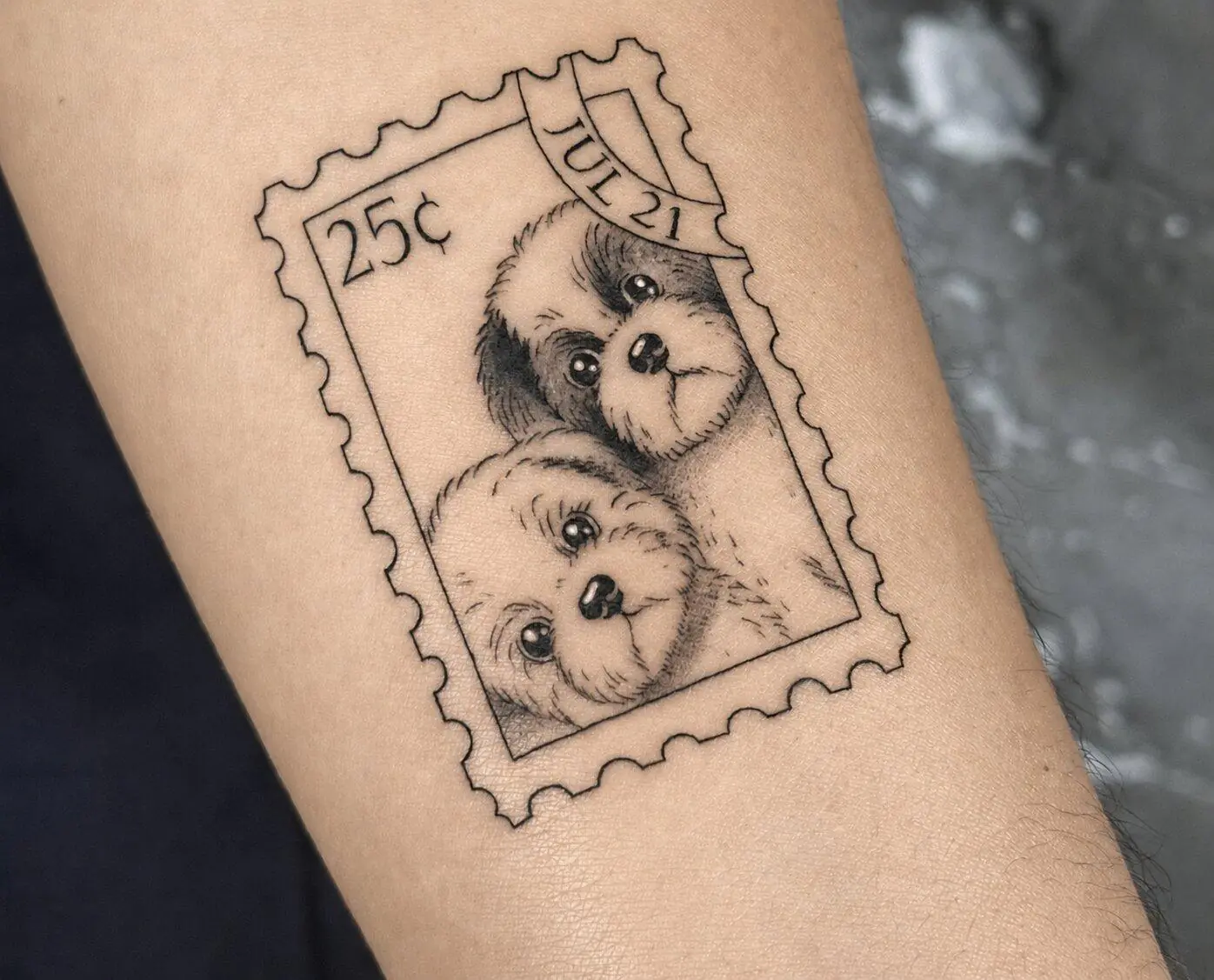
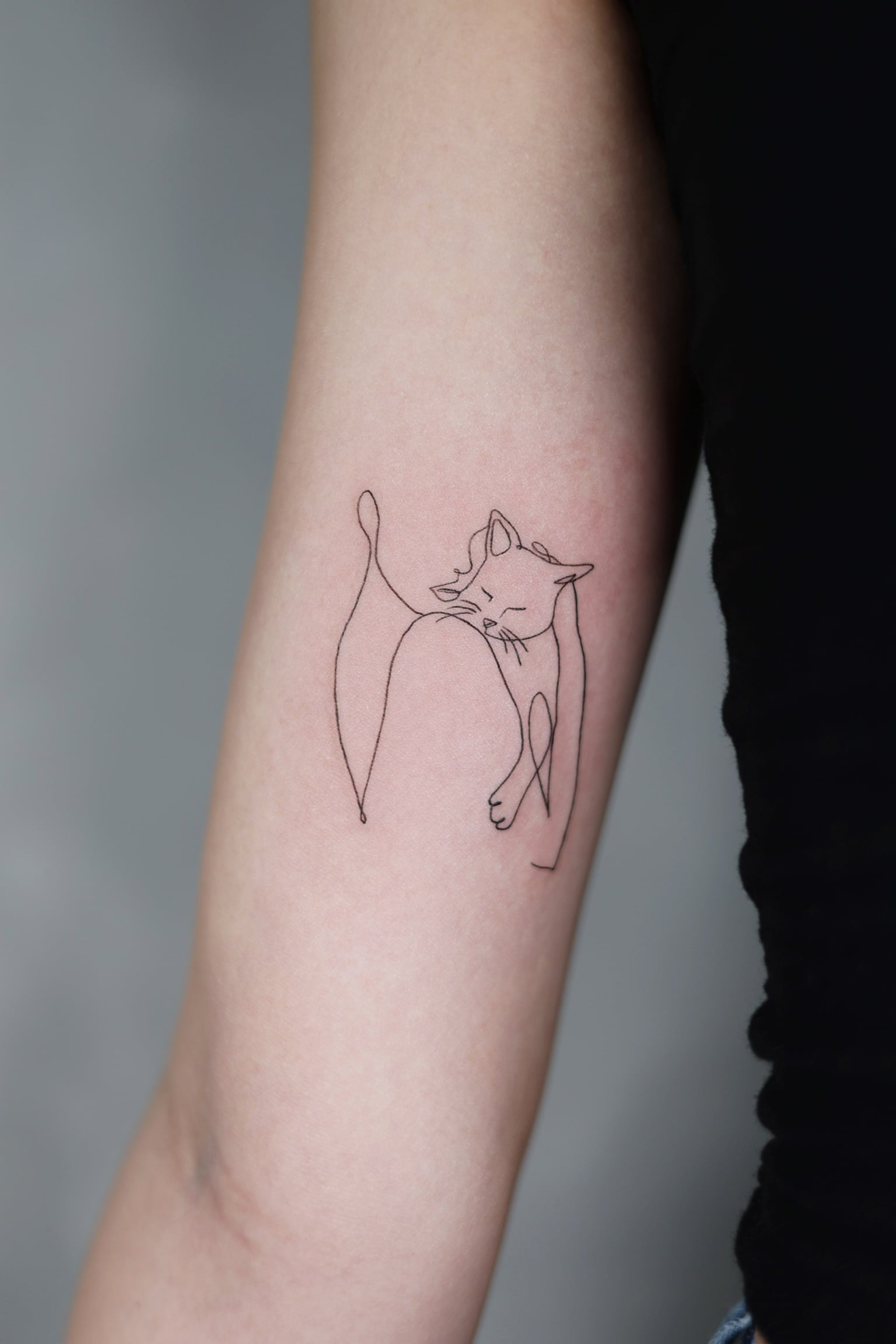
You have probably seen fine line tattoos all over Instagram, delicate scripts and tiny florals that look almost drawn in pencil. You may have also heard the warning that thin-line work fades fast and traditional tattoos are the only ones built to last. Underneath the fine line vs traditional tattoo which lasts longer question is a simple worry. Will this still look good in ten years?
Traditional tattoos generally hold their shape longer without touch-ups because they carry more ink and thicker outlines. Fine line tattoos can age beautifully too, though they tend to need a refresh every few years. Neither style is automatically better, and the right answer depends on the design, where it lives on your body, and how you care for it.
What Is the Difference Between Fine Line and Traditional Tattoos?
Fine line tattoos use a single needle or a small grouping of two to three needles to create thin, detailed designs with light shading. Traditional tattoos rely on larger needle groupings, bold outlines, solid color, and heavy ink saturation. The core difference comes down to line weight and how much ink the skin holds.
A fine line piece reads quiet and intricate, closer to a sketch on paper, while a traditional piece reads loud and graphic. New York leaned traditional for decades, shaped by the old Bowery parlors, yet the past five years have pushed thin-line work to the front. Put plainly, this is a single-needle versus bold-line comparison, and the table below lays out the technical side.
Feature | Fine Line | Traditional |
Needle size | 1RL – 3RL | 7RL – 14RL |
Line weight | 0.2-0.5mm | 1-3mm |
Ink saturation | Light to medium | Heavy |
Color palette | Often black and gray | Bold colors |
Detail level | Very high | Moderate |
Typical size | Small to medium | Medium to large |
Session time | 30-90 min | 1-4 hours |
Do Fine Line Tattoos Fade Faster Than Traditional?
Fine line tattoos do soften and spread a little faster than traditional ones, mostly because they hold less ink per square millimeter. Still, clean thin-line work from a skilled artist can look sharp for five to ten years before it needs attention. Traditional tattoos often run ten to fifteen years before they show real aging.
Ink particles slowly migrate as skin cells turn over, and thin lines have less pigment to spare, so the change shows up sooner. People often ask if fine line tattoos age well compared to traditional pieces, and the honest answer is that they do, with a little maintenance. If you are wondering which tattoo style fades less, traditional usually wins that measure, and our detailed breakdown of how fine line tattoos age over time walks through the timeline year by year.
Does NYC Weather Change How a Tattoo Heals?
New York’s seasons play a quiet role in healing. Humid summers can keep a fresh tattoo damp and slow to scab, while dry winter air pulls moisture from the skin and leaves healing feeling tight.
Fine line work notices these swings more than bold pieces, since the finer surface detail reacts to swelling and dryness. A steady aftercare routine carries you through both seasons, with gentle washing and a light, fragrance-free moisturizer doing most of the work.
Which Tattoo Style Lasts Longer?
Traditional tattoos last longer without touch-ups. The thick outlines act like a frame that holds a design together as skin loosens and shifts with age. Fine line tattoos ask for a bit more upkeep, and a light touch-up every three to five years keeps them reading clearly.
It works like a bold marker drawing next to a pencil sketch. The marker stays legible as the paper yellows, while the pencil needs a careful pass now and then to stay crisp. Both can last a lifetime, with one leaning on the artist once or twice along the way.
How Often Do Fine Line Tattoos Need a Touch-Up?
Most fine line pieces hold up well for several years and benefit from a touch-up somewhere around the three to five year mark. High-friction spots like fingers, wrists, and the side of the hand may call for one sooner.
Placement drives this more than anything. A design on the inner arm or ribs can go a long stretch untouched, while the same piece on a finger blurs as the hand works through daily life.
Which Style Hurts More?
Traditional tattoos usually hurt more across a full session because they involve more passes over the same skin, heavier pressure, and longer chair time. Fine line work tends to be faster and lighter, though the single-needle feel can read as a sharper, scratchier sensation.
Pain leans on placement far more than style. Ribs, fingers, and the back of the neck sting for anyone, so a short fine line session still asks less of your endurance than hours under a heavier machine.
How to Decide Between Fine Line and Traditional
Choose fine line if you want something delicate and detailed, especially for a smaller piece or a spot where the tattoo should complement your body rather than dominate it. Choose traditional if you want bold, high-contrast art that makes a statement and asks for very little upkeep down the road.
Many New York artists have built their craft around one style or the other, and it is rare to find someone equally fluent in both. The fine line tattoo work IGLÀ’s artists focus on calls for different needle setups and a lighter hand than bold traditional work, so the artist you pick matters as much as the style itself.
Your priority | Leans fine line | Leans traditional |
Longevity with no touch-ups |
| Strong fit |
Fine detail and subtle shading | Strong fit |
|
Lower pain, shorter session | Strong fit |
|
Bold color and contrast |
| Strong fit |
Large statement piece |
| Strong fit |
Discreet and easy to cover | Strong fit |
|
Fine Line or Traditional for a First Tattoo?
For a first tattoo, many people lean toward a small fine line piece because the session is short and the pressure is mild. There is no wrong starting point, only the one that matches your comfort level and the look you are after.
If bold color and a bigger commitment excite you more than they worry you, traditional is a fine place to begin too. The best first tattoo is the one you will still feel good about long after the novelty fades.
Can You Mix Fine Line and Traditional in One Piece?
Yes, and hybrid pieces keep getting more popular. Plenty of New York artists now pair bold traditional outlines with fine line interior detail, or build a fine line composition with a few solid elements added for contrast.
It gives you the structure of traditional work, which ages slowly, with the soft detail that drew you to thin lines. It is a practical middle ground for anyone torn between the two, and it treats the difference between fine line and traditional tattoo as a menu rather than a rivalry.
Who Should You Trust With a Fine Line Tattoo?
The artist matters more than the name of the style. Fine line asks for a steady hand and real time spent with thin needle work, so a strong portfolio in that exact style tells you more than years in the chair alone.
IGLÀ was founded by Daria Baione, a fine line artist, and the team works across the styles that pair with it. Holly handles x-ray florals and abstract line work, Sophia and Christine build whimsical and minimalist botanicals, Maria blends anime with florals, and Pavel and Alex bring microrealism into the mix. Healed work from an artist whose style matches your idea is the clearest sign you are in good hands.
How Do You Make the Final Call?
Start with what you want the tattoo to do. A piece meant to whisper suits fine line, while a piece meant to announce itself suits traditional. Longevity, pain tolerance, size, and visibility all feed into that one choice.
There is no universal winner in the fine line versus traditional debate, only the version that fits your life and your skin. If you are leaning toward delicate work, our studio in Manhattan’s Koreatown neighborhood, where fine line artistry has become the dominant aesthetic, is a good place to talk through ideas with an artist before anything becomes permanent.