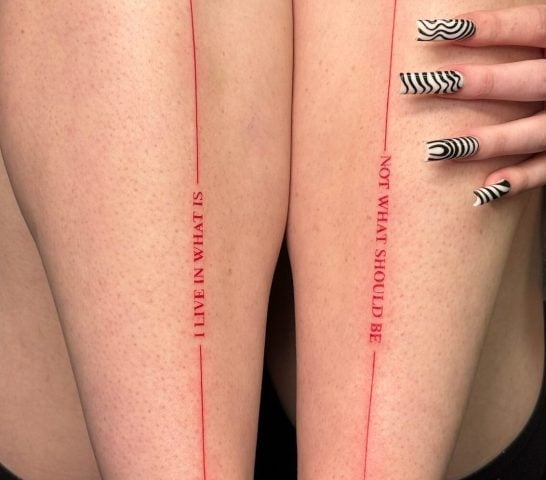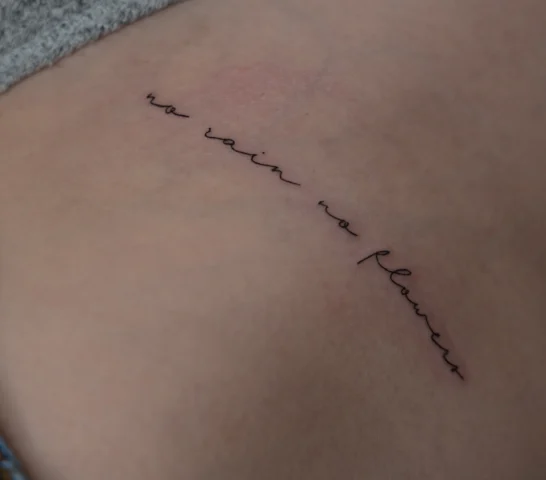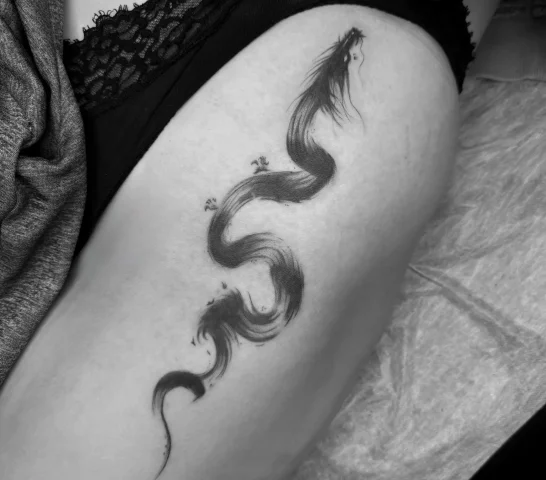

New York has always been ahead of the curve when it comes to fashion, music, and visual art. Tattoos are no exception. This year brings an interesting mix of styles, from nostalgic throwbacks to hyperdetailed techniques and futuristic designs that feel almost digital.
If you’re thinking about getting tattooed or just curious what people are wearing on their skin lately, here’s what’s happening right now.
Y2K Tattoos Are Making a Huge Comeback
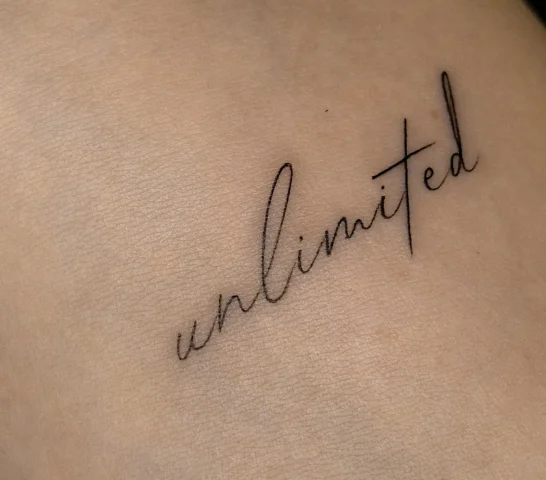
Butterflies, tribal bands, cherries, and those chunky script fonts from 2003 are everywhere again. Walk through the East Village or Williamsburg and you’ll see them all over the place. These aren’t ironic choices. People genuinely miss the aesthetic from their teenage years.
After so much minimalism, there’s space now for tattoos that are just fun. A small cherry doesn’t need deep meaning. Sometimes nostalgia is enough, and these designs tap into that collective memory of pop culture and carefree energy.
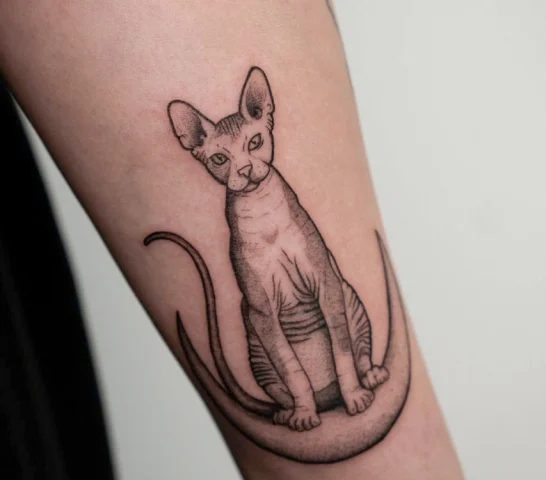
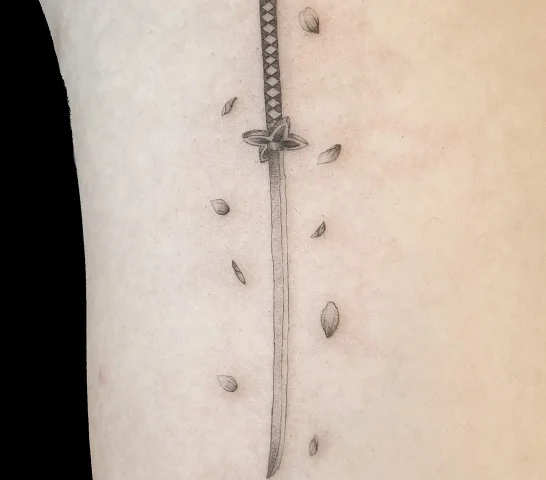
Microrealism Blew Up in New York This Year
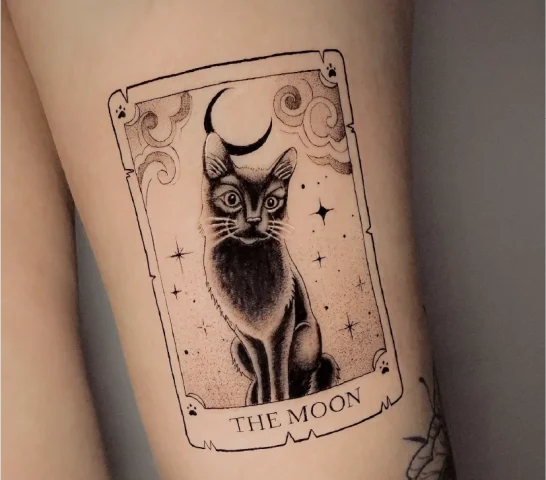
Microrealism has blown up this year. The idea is to pack serious detail into tiny spaces. Picture a pet portrait the size of a quarter that actually looks like your dog, or a flower on your wrist where you can see individual petal texture.
For people working corporate jobs or anyone who prefers subtle ink, this style of detailed miniature tattoos hits the sweet spot. You get intricate art without it dominating your appearance. It fits NYC life because you can cover it for meetings but still have something personal.
What to Know Before Getting One
Not every artist has the skill for this. It takes a really steady hand and understanding how ink settles over time. Before you commit to anything this detailed:
- Look for artists with proven small-scale work
- Check portfolios from different tattoo artists and their specialties
- Ask to see healed photos, not just fresh ink
If you like the idea of intricate art that stays subtle, microrealism might be your style. Check portfolios from different tattoo artists and their specialties before you commit to anything this detailed.
Airy Flower Designs With Almost No Color
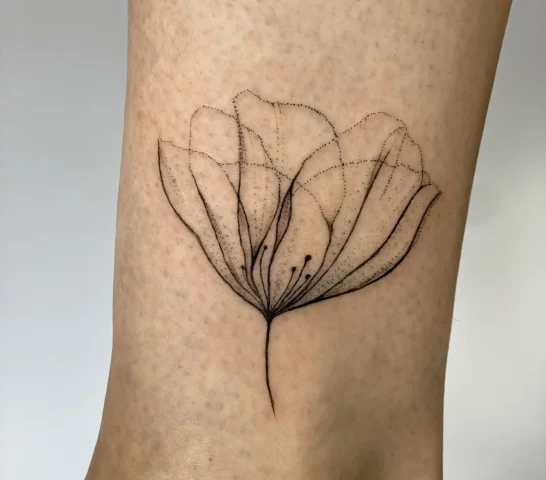
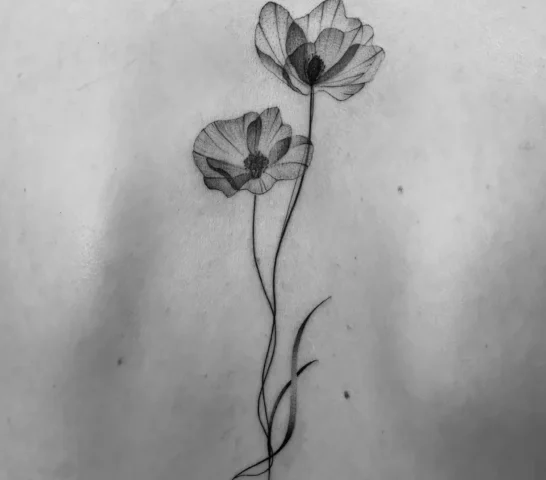
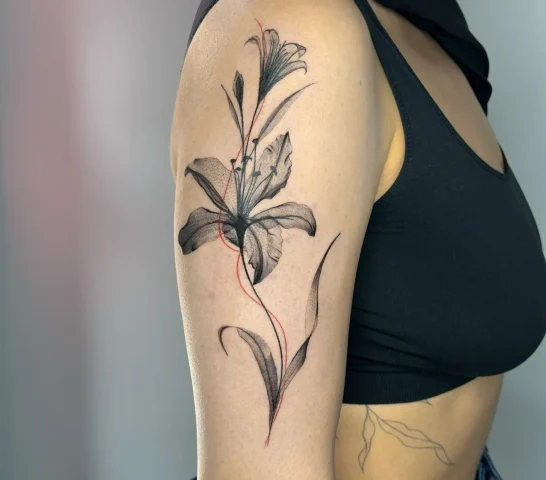
Living in concrete makes people crave organic shapes. Fine line floral tattoos have become one of the most requested styles across the city.
Thin lines create airy flower and leaf designs that feel light rather than heavy. The technique allows for soft shading without much color, giving the designs an almost watercolor feel.
Where People Find Inspiration
A lot of the ideas come from:
- Central Park
- The Brooklyn Botanic Garden
- Those flower carts you see around Midtown
Thin lines can soften over the years. If this appeals to you, understanding how these tattoos age helps you make smarter decisions about placement and aftercare.
Ornamental Designs Inspired by City Architecture
Grand Central’s celestial ceiling. The chevrons climbing the Chrysler Building. That intricate ironwork lining brownstone stoops in Brooklyn. NYC’s architectural details have been showing up in ornamental tattoos, translated into lacework patterns, geometric frames, and designs that sit on skin like permanent jewelry.
Why This Style Works
Art Deco lines are already meant to be decorative, so they adapt naturally to the body. Artists working in this style often pull directly from specific buildings, recreating:
- Window grilles
- Ceiling medallions
- Ironwork details
These become flowing pieces that follow the curves of a forearm, sternum, or thigh.
What separates this from standard ornamental work is the specificity. It’s not just “geometric pattern”, it’s that building, that detail, interpreted through tattooing. For people who’ve spent years walking past the same architecture, there’s something satisfying about wearing a piece of it.
Futuristic Ink for a Tech-Integrated Generation
Brooklyn’s underground art scene has been experimenting with cybersigilism. It takes the bold lines from tribal tattoos but filters them through a futuristic, almost digital lens. The result sits somewhere between ancient symbols and computer graphics.
Designs Usually Include
- Abstract shapes
- Patterns that look like circuits
- A sleek, modern vibe
This appeals to people who grew up extremely online and don’t see tech as separate from being human. It’s less about looking back and more about imagining where things are headed.
Choosing Design That Fits Your Life
Trends give you ideas, but your tattoo should connect to your actual story.
Questions to Think Through
- How does this design work with ink you already have?
- Will it fit with tattoos you might get later?
- Where will you put it?
- How visible does it need to be in different parts of your life?
Finding the Right Artist
Artists have different strengths. Someone amazing at delicate botanical work might not be your best choice for bold geometric stuff.
If you’re still exploring, looking at examples of fine line work from various artists helps you understand the range and find someone whose style clicks with what you want.
The Talent and Risk-Taking That Define NYC
NYC has a ton of talented artists, constant cultural mixing, and decades of tattoo history. From spots near the Bowery to studios in Midtown, there’s built-up knowledge that newer tattoo cities are still developing.
New York attracts people willing to take risks with their art. That energy pushes tattoo artists to keep improving and trying new things. The scene moves fast, picks up on trends early, and often sets the pace for other cities.
Make It Something You’re Still Happy About Later
NYC’s tattoo scene right now is all over the place, and that’s a good thing. Nostalgic flash sitting next to hyper-detailed micro pieces. Futuristic blackwork down the block from traditional American shops. Whatever you’re drawn to, someone in this city is doing it well.
The only real advice worth giving is this. Find an artist whose existing work makes you want to book immediately, not one you’re hoping will adapt to your vision. That’s the difference between a tattoo you’re still showing off in ten years and one you’re quietly covering up.