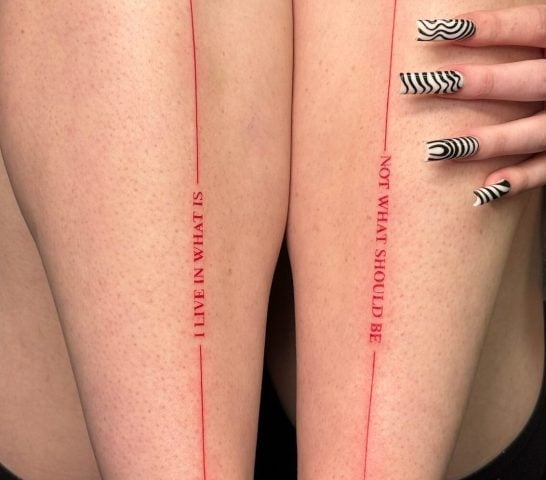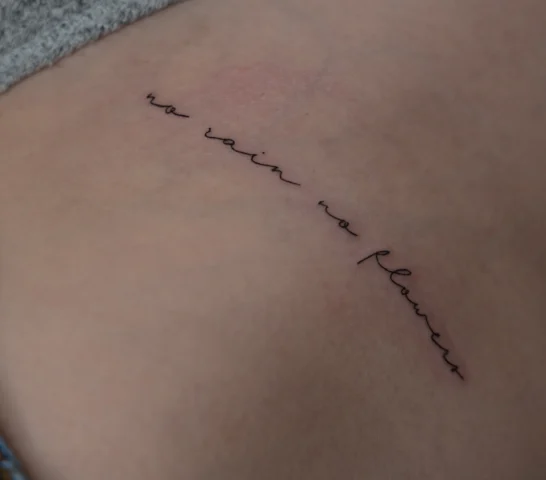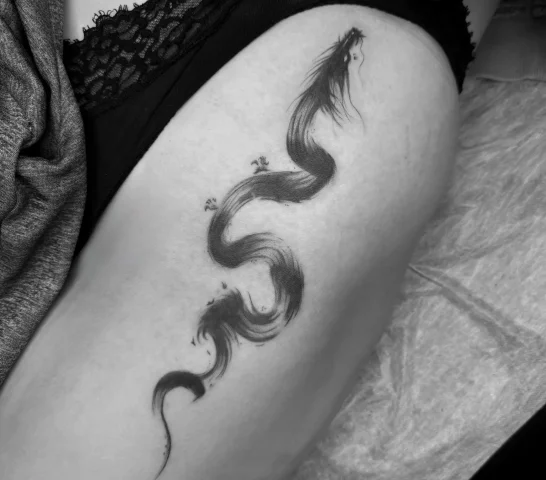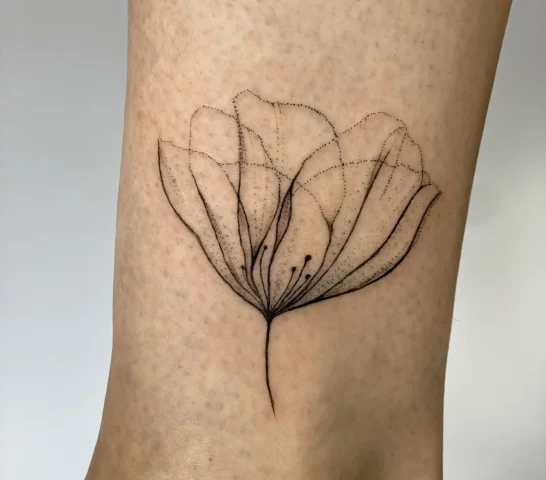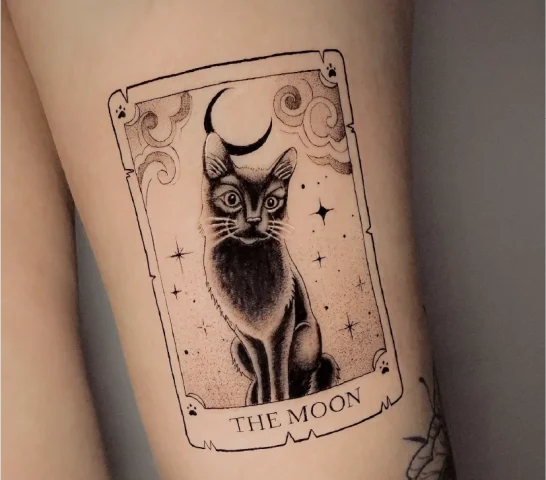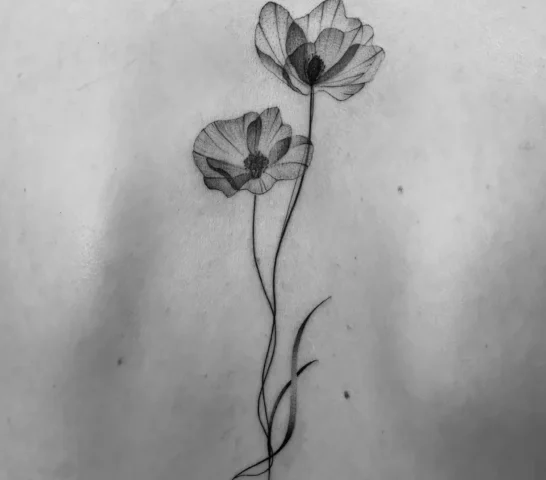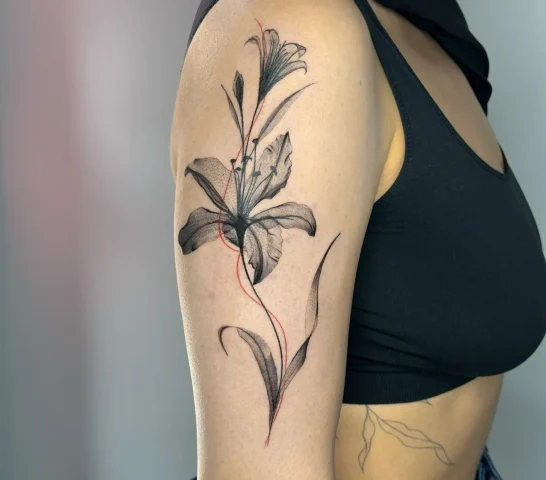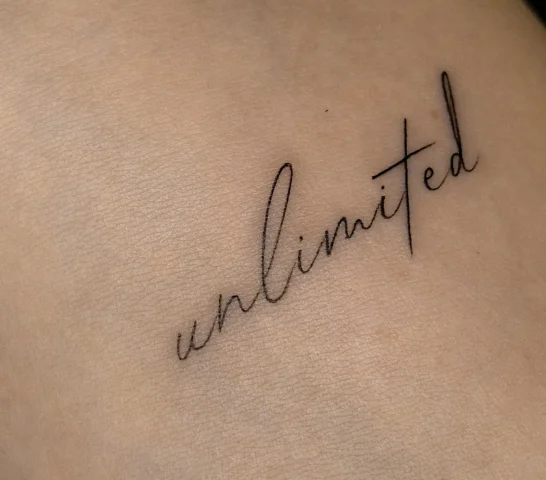
New York City moves fast. The pressure to keep up professionally, socially, financially is real, and more New Yorkers are turning to creative outlets as part of managing it. Tattoos have quietly become part of that conversation. Not as a replacement for therapy or professional support, but as a deeply personal form of expression that, for many people, carries genuine psychological weight. This isn’t a new idea. It’s a growing one.
The Real Link Between Tattoos and Emotional Well-Being
Research on tattooing and psychological well-being is still evolving, but what’s already documented is worth paying attention to. Studies have linked body art with increased feelings of body ownership, improved self-esteem, and a stronger sense of personal agency. For people who have experienced loss, trauma, or long-term mental health challenges, having something permanent and intentional on their skin can shift the way they relate to themselves.
A Psychology Today overview on the psychology of tattoos noted that for many individuals, tattoos serve as an external marker of an internal shift, a way of making invisible experiences visible. That function carries particular weight for people navigating anxiety, depression, or recovery. For them, it’s less about decoration and more about documentation.
Marking a Milestone That Words Alone Cannot Hold
People mark time in different ways. Some journal. Some travel. Some get tattooed. For those working through addiction recovery, mental health milestones, or the aftermath of illness, a permanent piece of art tied to that experience can serve as an ongoing reminder of how far they’ve come.
There’s something grounding about carrying that reminder on your body. A tattoo doesn’t disappear. For someone who has fought hard to reach a new chapter, that kind of permanence holds real meaning. It becomes a visible commitment to a version of themselves they worked to become.
What Happens When a Design Has a Story Behind It
Memorial tattoos, sobriety date pieces, and work inspired by survival stories are among the most emotionally significant commissions a tattoo artist takes on. The pieces that resonate longest are usually the ones where the artist invested time in understanding the story behind the design, not only what it looked like. That’s the kind of approach that shapes custom tattoo work created around deeply personal narratives.
Mental Health Tattoo Symbols and What They Mean
Certain images have taken on shared significance within mental health communities, functioning almost as visual shorthand. A few appear consistently across styles and studios.
The Semicolon has become one of the most recognized mental health tattoo symbols. Rooted in Project Semicolon’s suicide prevention advocacy, it represents continuation. A semicolon appears where an author could have ended a sentence but chose not to. For many people, the semicolon tattoo meaning goes beyond punctuation and marks a turning point, a moment of choosing to keep going.
The Butterfly speaks to transformation and emergence. It’s often chosen by people who have come through a difficult period and come out changed, and fine line rendering gives it a lightness that suits the meaning well.
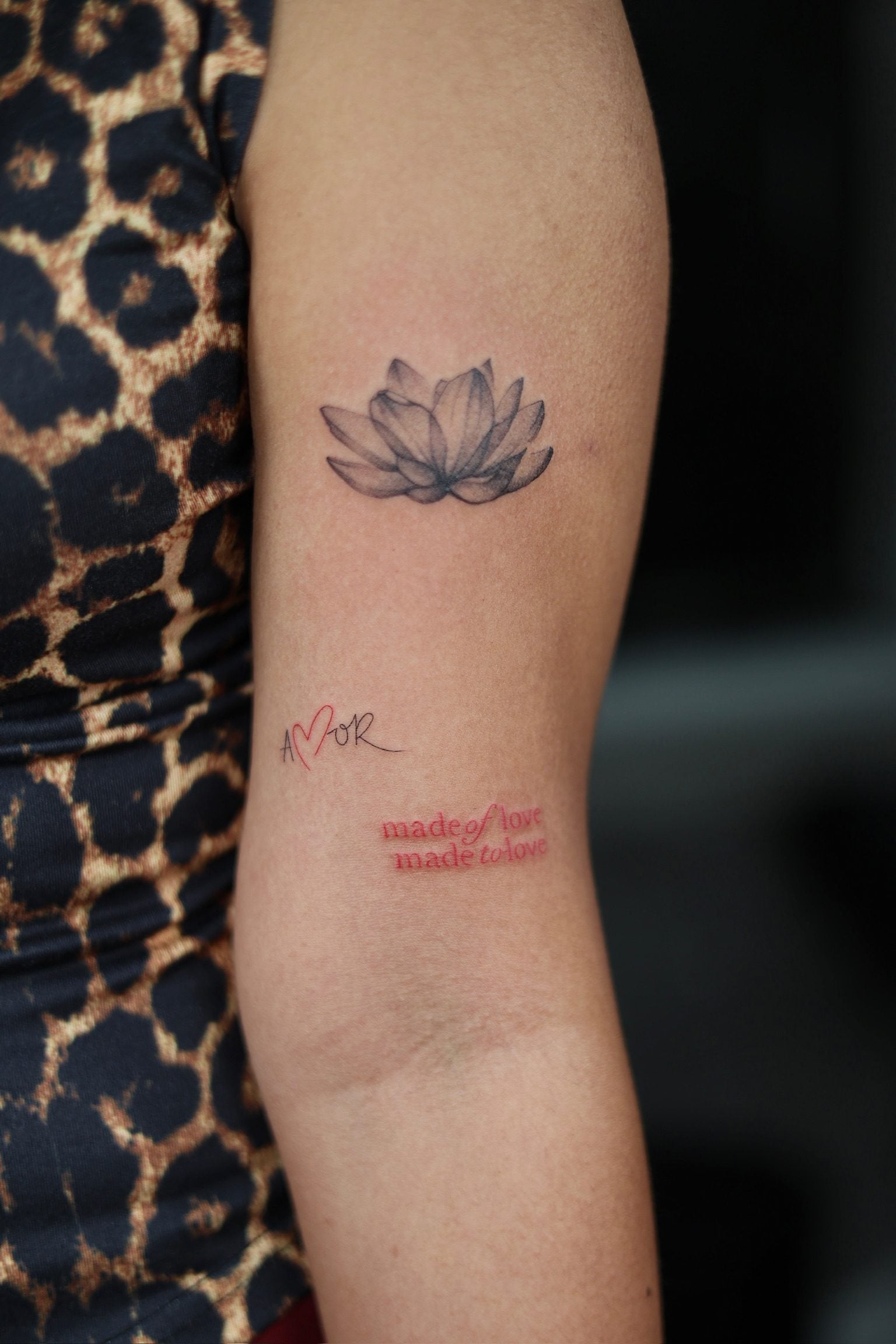
The Lotus grows through murky water toward light. In several traditions it represents rising from adversity, which makes it a natural fit for anyone processing trauma or depression.
The Wave carries associations with emotional fluidity and working with difficulty rather than against it. People who are learning to accept what they can’t control tend to connect with this one.
The Sun is a steady symbol of hope and return. For people who have come through extended dark periods, a sun tattoo can serve as a daily visual anchor.
These aren’t purely aesthetic choices. They’re tattoos for mental health awareness that carry real intention. Delicate fine line tattoo designs lend themselves especially well to this kind of imagery, rendering subtle symbols with clarity that doesn’t overwhelm.
Presence, Intention, and Why the Process Matters as Much as the Result
Getting tattooed follows a structure that, for many people, holds its own value. There’s a consultation where you describe something personal to someone who listens without judgment. There’s the anticipation before the appointment. The physical sensation of the session pulls attention fully into the present moment in a way that resembles mindfulness practice. And then there’s the reveal.
For people who approach tattooing as a coping mechanism or part of a healing process, that sequence matters because of its structure. It’s intentional. It has a beginning and an end. It produces something visible and lasting. That containment can be meaningful for anyone whose internal experience has felt chaotic or out of their hands.
Pain, Attention, and the Body
Many people report that the physical experience of tattooing occupies their attention completely, quieting the mental noise that often accompanies anxiety. It’s not a clinical technique, and it shouldn’t replace professional mental health support. But as one part of a broader wellness toolkit, the therapeutic tattoo experience offers something genuinely distinct.
Finding a Studio That Understands the Emotional Weight of the Work
Not every studio is suited for tattoos that carry this kind of significance. Work connected to a mental health journey, a survival story, or a deeply personal milestone asks for a setting where the emotional context behind a design is treated as part of the process itself.
Studios that approach this well build their consultations around understanding what a piece means, not only what the client wants it to look like. That distinction changes the whole experience. Feeling comfortable enough to share the personal significance behind a design, without needing to justify it, makes the outcome more honest and more meaningful. For anyone considering ink for self-love and healing, that environment isn’t incidental. It’s foundational.
Tattoos Are Not a Substitute for Professional Care
Tattoos can be a meaningful part of how someone processes and expresses their mental health experience. They are not a substitute for professional care. SAMHSA’s mental health resources are a solid starting point for anyone seeking guidance or additional support.
What Changes Once a Meaningful Tattoo Heals and Settles
Once a piece like this heals and settles into the skin, something shifts in how people relate to it. Over time, it stops being about the hard moment that inspired it. It becomes more about the person who made it through.
A well-made, personally meaningful tattoo doesn’t erase the difficult parts of a story. It reframes them. For a lot of people, that reframe quietly changes how they carry themselves day to day.
New York City has no shortage of people holding heavy things without showing it. If ink is part of how you choose to honor that weight, understanding what makes a tattoo genuinely meaningful before you commit is a worthwhile step. And when you’re ready to talk through what you have in mind, scheduling a tattoo consultation is where that conversation begins.