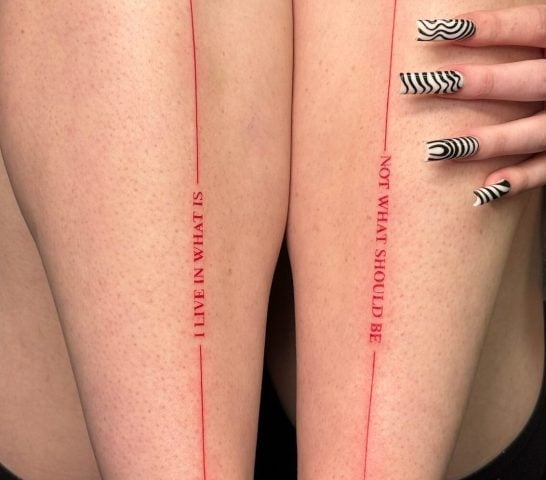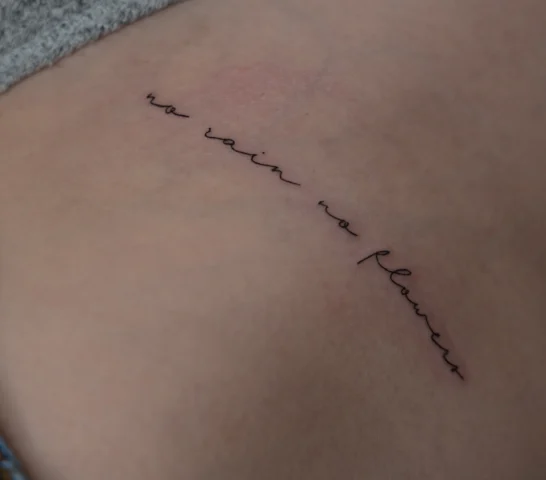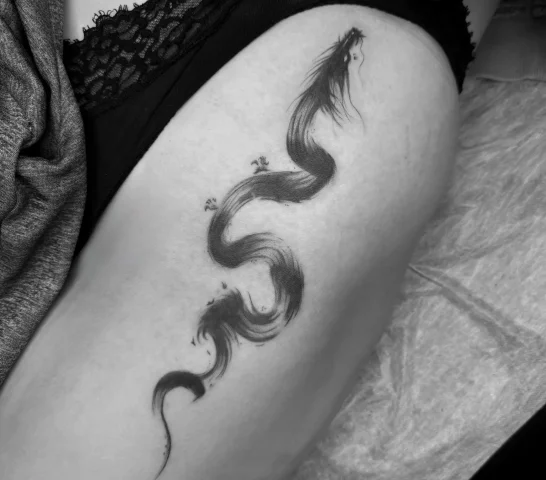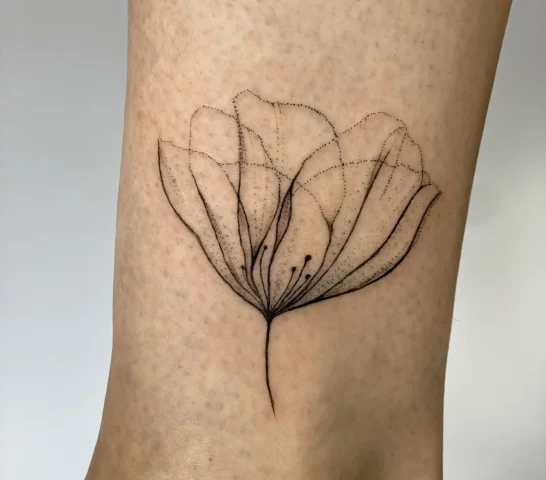
A custom tattoo design process typically involves five stages. It starts with an initial inquiry, moves into a one-on-one consultation, continues through a design development phase, leads into the tattoo session, and wraps up with aftercare. Each stage is built around collaboration between you and your artist, so the final piece reflects your story and vision.
If you have ever scrolled past a tattoo on Instagram and thought, “I want something like that, but made for me,” you are already thinking about a custom piece. The idea of commissioning original art can feel unfamiliar, though. How do you start? What do you bring to the table? How long does a custom tattoo take to design?
This walkthrough covers every step so you know what to expect before you ever sit down with an artist.
What Does “Custom” Tattoo Really Mean
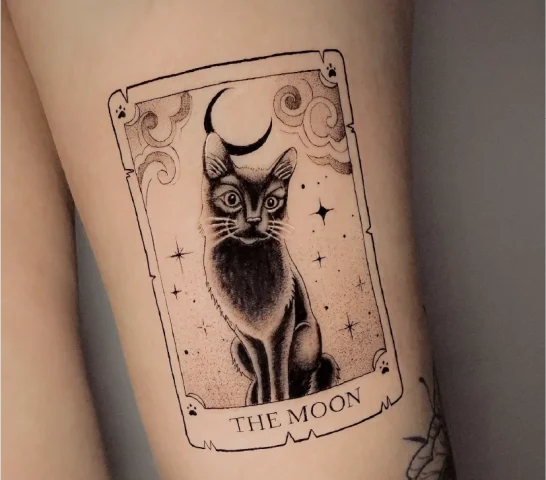
Not every tattoo is designed from scratch. Flash tattoos are pre-drawn designs available for anyone to choose. Semi-custom pieces start from an existing template that gets adjusted for your preferences. A fully custom tattoo is different. The design is created exclusively for you, based on your ideas, references, and conversations with your artist.
Flash, Semi-Custom, and Fully Custom Tattoos
With a fully custom piece, no one else will have the same tattoo. Your artist develops the concept, composition, and details around your body, your style, and your story. It is original art that lives on your skin and belongs only to you.
Starting the Conversation
The custom tattoo design process starts before the consultation. It helps to include a few key details in your inquiry so your artist can prepare ahead of time.
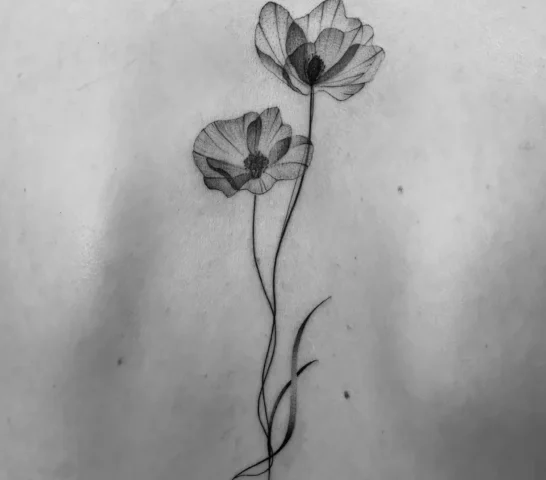
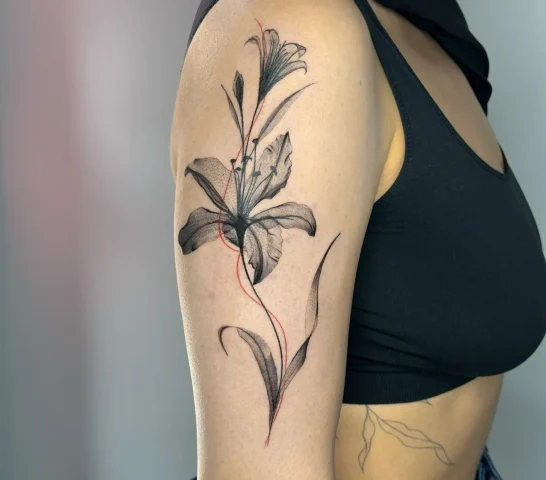
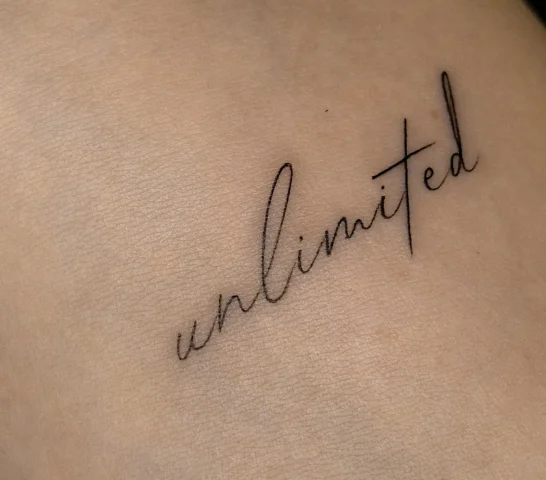
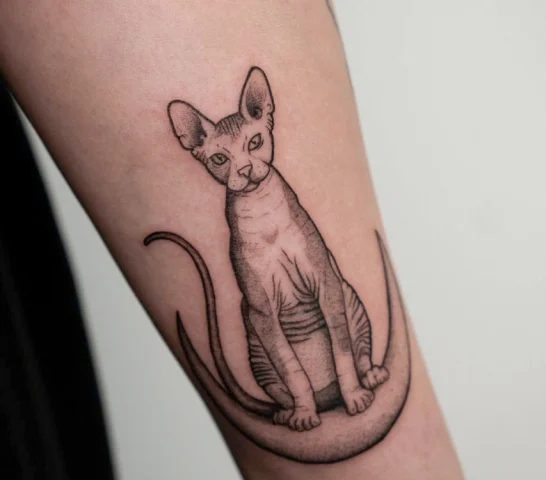
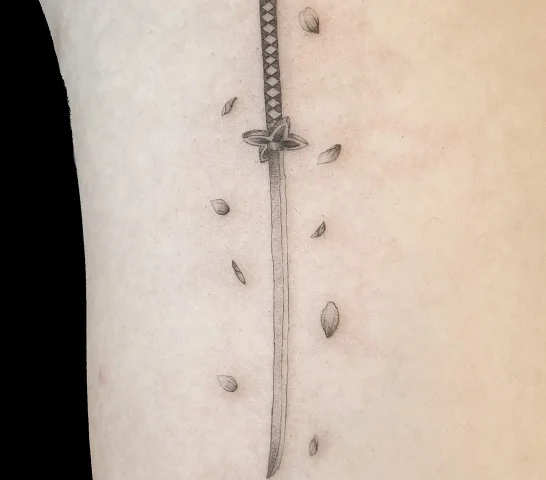
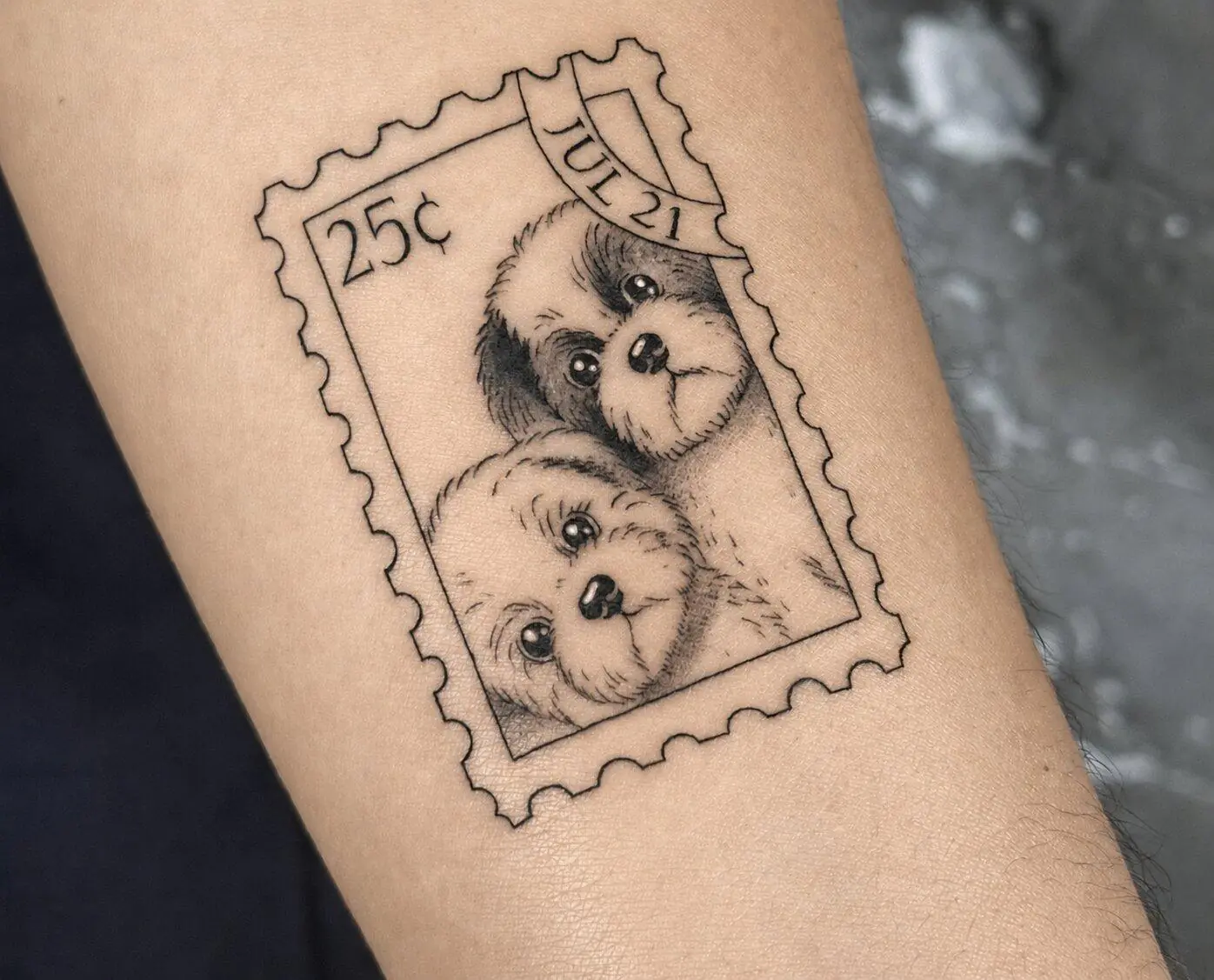
Think about the style you are drawn to. Are you looking for a custom fine line tattoo with delicate single-needle work? Or something with more depth, like a micro-realism portrait? Include the general size, your preferred placement, and any reference images that capture the mood or aesthetic you like.
What to Include in Your Booking Request
You do not need a finished concept. A handful of reference photos, a rough description of the subject matter, and an idea of where on your body you want the tattoo is more than enough. If you have a budget range in mind, sharing it upfront helps shape the scope of the project early on. You can submit your inquiry online to get the conversation started.
The Consultation
During a tattoo consultation, you and your artist sit down to talk through your vision in detail. You will review reference images together, discuss sizing, go over placement options, and align on the overall direction of the design. This is where the concept starts to take real shape.
What a Tattoo Consultation Looks Like
Expect an open conversation. Your artist will share their perspective on what works well at the size and placement you have in mind, suggest changes that improve how the tattoo will sit on your body, and ask about the meaning behind the piece. Virtual consultations are also available for clients with busy schedules or those coming from outside the area. The studio has a fine art gallery feel, which tends to make the experience more creative than clinical.
This is also a good time to ask about timelines. Most pieces go through a design phase of one to three weeks after the consultation, depending on complexity. So if you are wondering how long a custom tattoo takes to design, plan for that window.
Meet the Artists Behind Your Design
Every custom piece at IGLÀ is created by a fine artist with a distinct creative background. The team includes tattoo artists who work across fine line, micro-realism, ornamental, floral, and illustrative styles. Each artist brings their own visual language to the design process, which is why reviewing portfolios before your consultation can help you find the right match for your idea.
IGLÀ is a woman-owned studio with a collaborative, supportive environment. That creative culture shows up in how the team approaches every bespoke tattoo design, treating each project as a partnership rather than a transaction.
Design Development
Once the direction is set, your artist begins building the design. This stage might involve pencil sketches, digital illustrations, or a mix of both. The goal is to translate your conversation into a visual concept you can react to and refine.
Sketching, Revisions, and Approval
You will receive a draft to review and can request changes. Maybe the proportions need tweaking, or a detail needs to shift slightly. This back-and-forth is a normal part of getting a custom tattoo and one of the reasons the final result feels so personal. Most designs are finalized within one to two revision rounds. Larger or more complex pieces may require additional time, and your artist will communicate that clearly.
How to Prepare for Your Session
Good preparation makes a real difference on tattoo day. Stay hydrated in the days leading up to your appointment, eat a solid meal beforehand, and avoid alcohol or blood-thinning medications for at least 24 hours. Wear comfortable clothing that gives easy access to the area being tattooed.
If you are unsure about anything, reach out to the studio ahead of time. Small steps like these help your body handle the session better and support cleaner healing afterward.
The Tattoo Session
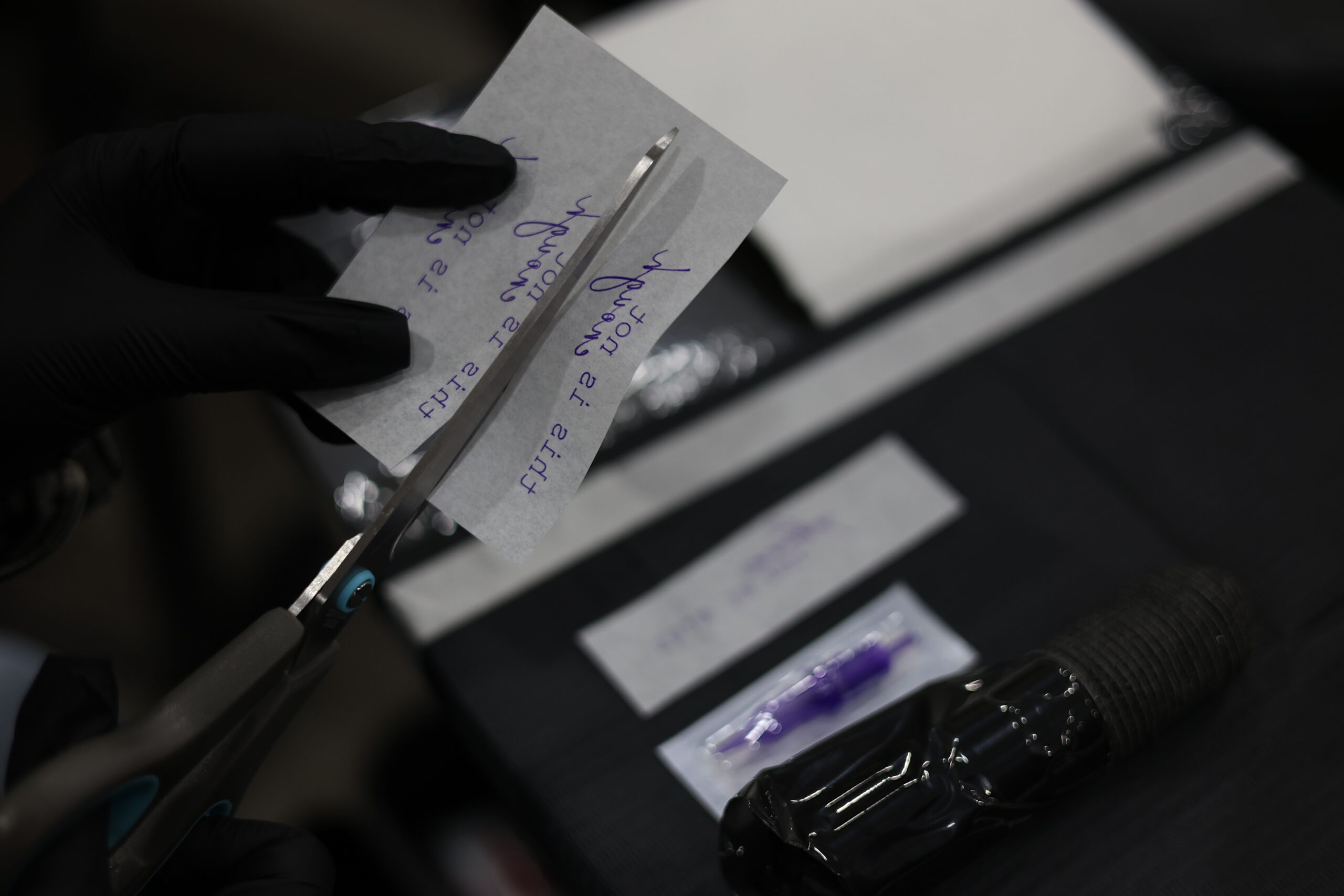
On the day of your appointment, the artist places a stencil of the approved design on your skin so you can see exactly how it sits on your body. This is your last opportunity to adjust positioning or sizing before the needle touches skin.
What to Expect During the Session
Small custom fine line pieces often take between one and two hours. Larger projects or pieces with heavy detail may need multiple sessions. Your artist will walk you through the timeline before starting so there are no surprises. You can book your appointment once your design is finalized and you are ready to move forward.
The tattooing itself follows a steady rhythm. Outline first, then shading or detail work. It is normal for the sensation to feel uncomfortable at times, but many clients find it more tolerable than they expected. Some even describe it as meditative.
Aftercare and Follow-Up
Once the tattoo is complete, your artist will clean the area and apply a protective covering. They will walk you through the healing process step by step. Keeping the area clean, avoiding sun exposure, and not picking at scabs are all important during the first few weeks.
Touch-Up Policy
Fine line and detailed work can sometimes need a small touch-up once the skin has fully healed. IGLÀ includes a complimentary touch-up within a set timeframe after your session, so if any lines need a slight refresh, you are covered.
Why the Process Matters And It is Worth the Wait
A custom tattoo is not something you pick off a wall. It is a creative collaboration that results in something you will carry with you permanently. Investing time in the inquiry, the consultation, and the design phase is what separates a tattoo you like from one you genuinely love.
Every step of this process exists so the final piece feels intentional, well-crafted, and unmistakably yours.