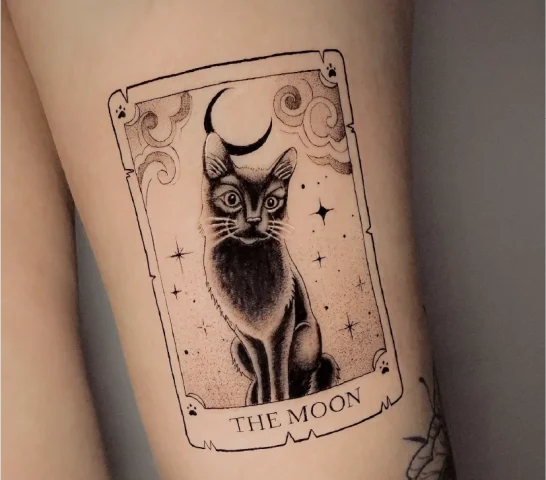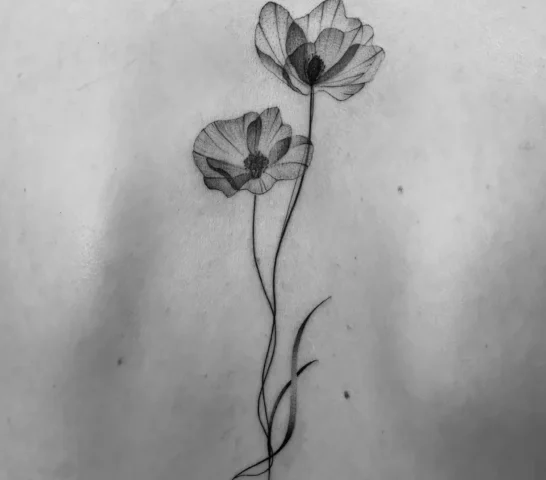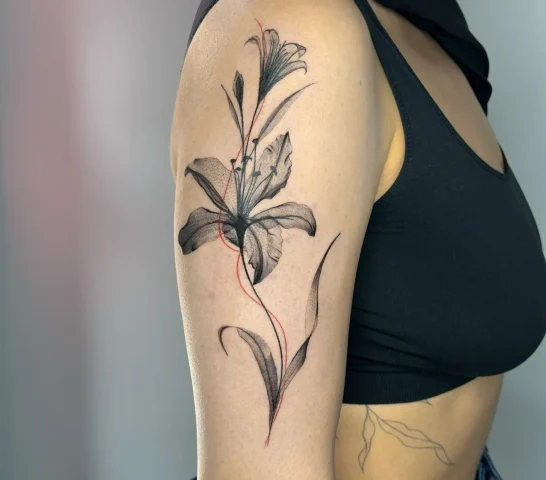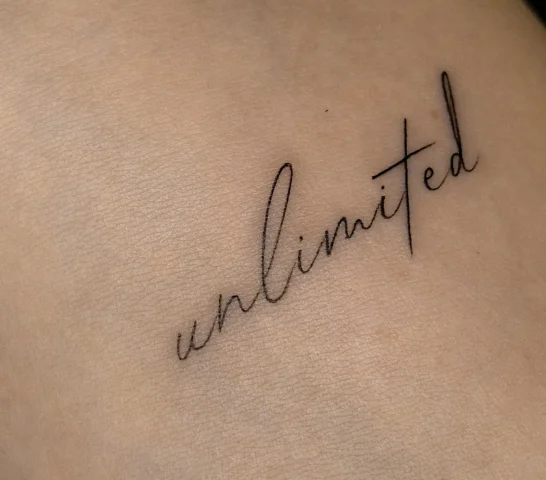

Fine line tattoos heal differently from bold traditional work. The ink sits closer to the surface with less saturation, which makes the process more sensitive to small missteps. What you do in the first few weeks can genuinely shape how the tattoo looks a year from now, and five years from now.
This guide breaks down each stage of the fine line tattoo healing process so you know what’s normal, what to avoid, and when to check in with your artist.
Thinner Ink Means Less Room for Error During Healing
Fine line tattoo work uses a single needle or tight grouping, which causes less trauma to the skin than traditional tattooing. That’s part of why surface healing is usually faster. The trade-off is that thinner lines mean less ink density, and there’s less room for error. Over-moisturizing, repeated friction, or even moderate sun exposure during healing can blur or shift those lines before they’ve fully set.
Bold tattoos have room to recover from a few missteps. Fine line tattoos, generally, do not. The habits built in the first month carry more weight than most people realize going in.
Starting Strong. Fine Line Aftercare in the First 72 Hours
Keep the Wrap on and Let the Skin Begin to Close
Your artist will cover the tattoo with a bandage or second-skin wrap before you leave. How long it stays on depends on the covering type, so follow your artist’s specific guidance. Underneath the wrap, plasma and a small amount of excess ink will collect as the skin begins closing. This is expected.
For the first wash, use lukewarm water and a fragrance-free, antibacterial soap. Rinse with your fingers only, no cloths, no scrubbing. Pat the area dry with a clean paper towel and apply a very thin layer of the ointment your artist recommended. Barely-there thin. Too much product this early does more harm than good.
Week One. The Peeling Starts and the Itching Peaks
What the Skin Is Telling You During This Stage
Around day four, the surface skin starts to flake. With fine line work, peeling tends to be subtle, more of a texture shift than dramatic shedding. Itching peaks during this same window as fresh skin forms underneath.
Scratching or picking is the most damaging thing you can do right now. Even light contact can permanently lift ink out of thin lines. Tapping gently around the area or applying a small amount of moisturizer helps without disturbing the healing surface. Watch for bag straps and backpack contact on the tattoo since repeated low-grade pressure adds up across a long commute.
Your artist should cover the aftercare routine for new tattoos at the end of your session. If anything feels unclear, reach out to the studio directly.
Weeks Two and Three. When the Tattoo Looks Faded but Isn’t
This Is One of the Most Misunderstood Stages of Healing
Somewhere in the second week, the tattoo may start to look milky, dull, or washed out. A new layer of skin is regenerating over the ink, creating a temporary hazy film over the design. The tattoo has not faded. It is healing.
This stage resolves on its own. The temptation to over-moisturize to try to improve the appearance is understandable, but counterproductive. Excess product in weeks two and three is one of the more reliable ways to cause delicate tattoo lines to fade prematurely. Light moisturizing once or twice a day keeps the skin comfortable without slowing the process.
How Long Fine Line Tattoos Take to Fully Heal
Surface Healing Is Done but the Skin Keeps Recovering
By week four, most of the visible healing is complete. The cloudy film clears, contrast returns, and lines sharpen back up. Slight unevenness from the healing process typically resolves during this window as the deeper skin layers continue to recover, which can take up to three months total.
Sun protection is the most critical long-term habit from this point forward. UV exposure accelerates fine line tattoo fading over time, and thin lines show UV damage faster than bold work does. SPF 30 or higher, applied whenever the tattoo is exposed to daylight, makes a meaningful difference, especially through a New York City summer.
The Aftercare Mistakes That Damage Fine Line Tattoos Most
Over-Moisturizing
More product does not equal faster healing. Over-moisturizing causes waterlogged skin that scabs unevenly and pushes ink out of thin lines before they set. A pea-sized amount, two to three times a day, is the right range during active healing.
Soaking in Water
Baths, pools, and hot tubs are off-limits for the first four weeks. Water softens healing skin and can cause ink to leach out. Showers are fine as long as the tattooed area stays out of direct water pressure and is dried off immediately after.
Friction from Clothing and Bags
Tight waistbands, bra straps, bag straps, and synthetic fabrics all create repeated friction that pulls at healing skin. This is especially worth considering in New York, where long commutes, crowded subway cars, and a busy day mean your tattoo rarely gets a break. Loose, soft layers over the area during the first two weeks make a noticeable difference.
Scented and Alcohol-Based Products
Fragranced lotions, toners, and some skincare marketed as “natural” can irritate healing tattoo skin and affect the final result. Fragrance-free, dye-free formulas are the right call until the tattoo has fully settled.
Getting a Tattoo in New York City Adds Unique Healing Challenges
Healing a tattoo in NYC is genuinely harder than healing one somewhere slower. Summer heat and humidity increase sweating during the most sensitive early days. Subway commutes and packed sidewalks mean bags and clothing press constantly against your skin. An active schedule with workouts, long walks, and evening plans layers on friction and moisture throughout the day.
Small adjustments help. Reposition a crossbody bag so it doesn’t sit on the tattoo. Clean the area gently after exercising. Be thoughtful about timing, because booking an appointment right before a beach trip or outdoor event puts the first healing weeks in a difficult position.
Normal Healing vs. Something Worth Paying Attention To
Redness, mild swelling, itching, peeling, and the cloudy phase are all expected. Signs that something may be wrong look different. Redness or warmth that increases after the first two or three days, rather than decreasing, warrants attention. So does unusual discharge, a rash extending beyond the tattoo’s edges, or any fever.
If something feels off, reach out to your artist. If the tattoo has healed but certain lines look uneven or faded, those are the signs your tattoo needs a touch-up. Many fine line tattoos benefit from a single session a few months out, once the skin has fully settled and the result is clear.