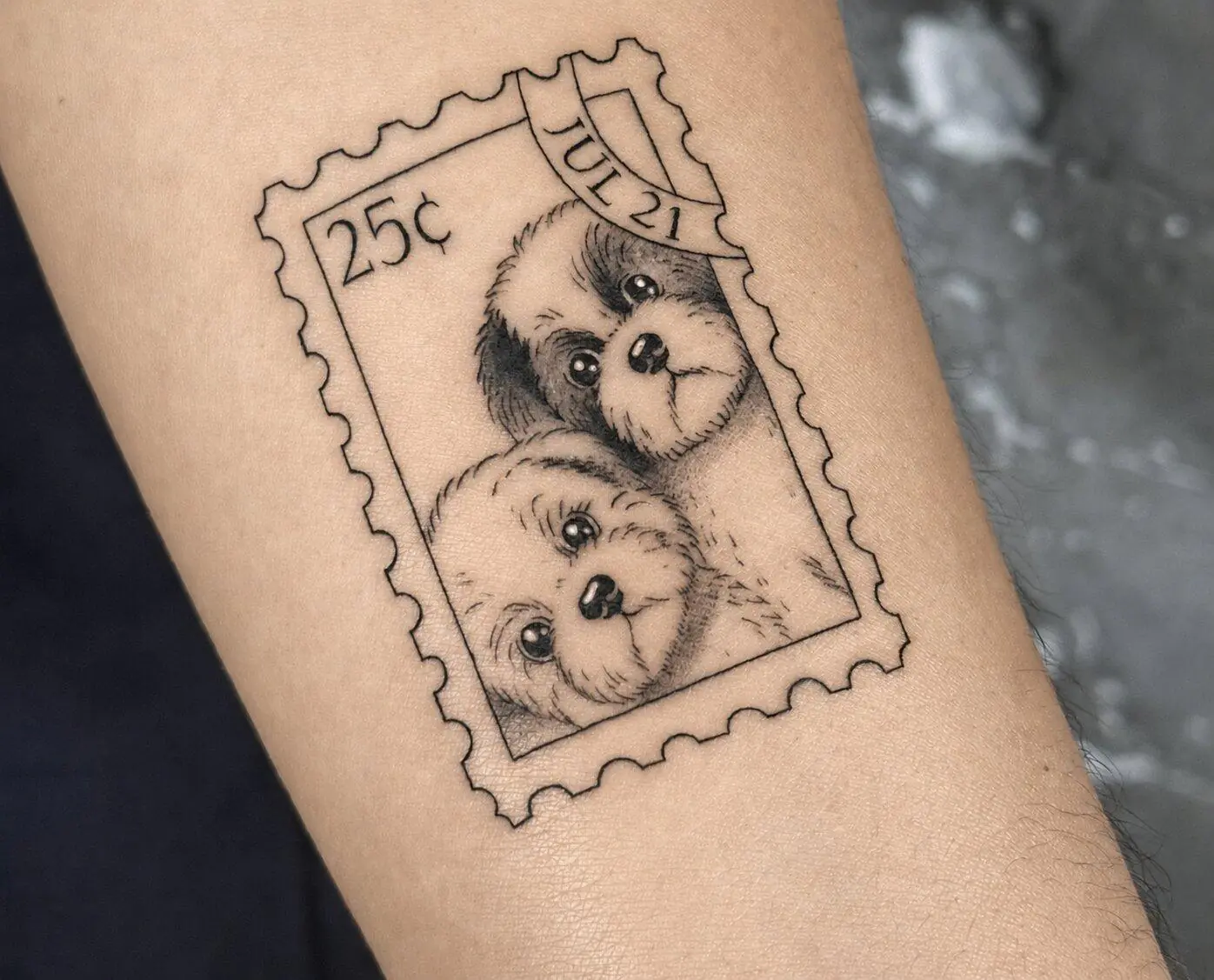
A fresh tattoo is open skin holding pigment, and the first few weeks decide how it will look for the rest of your life. Good tattoo aftercare keeps lines crisp, color saturated, and the skin underneath calm while it rebuilds. The rules are simple once you understand the reasoning, and most healing problems trace back to a handful of small mistakes that are easy to avoid.
What Are the Basic Rules of Tattoo Aftercare?
The core rules are short. Wash a fresh tattoo with unscented antibacterial soap, keep it lightly moisturized with a fragrance-free lotion, and keep it out of direct sun and standing water until it has fully healed. Everything else is detail layered on top of those three habits.
A tattoo is a small medical procedure. The needle leaves thousands of tiny punctures, and according to the American Academy of Dermatology, those openings can let bacteria in for the first two weeks. Clean hands, clean fabric, and clean surfaces around the area will do more for healing than any product on the shelf.
Second Skin or Traditional Healing: Which Method Should You Use?
Both methods work. Second skin is faster and lower-maintenance, traditional healing gives you more control and suits sensitive or adhesive-allergic skin. Your artist will usually recommend one based on your skin type, the placement, and the style of the piece.
Here is a side-by-side look at how the two compare.
Feature | Second Skin (Saniderm, DermShield) | Traditional Healing |
|
|
|
Healing speed | Around 5 to 7 days for surface healing | 10 to 14 days for surface healing |
Daily effort | Minimal once applied | Wash and moisturize 2 to 3 times daily |
Scabbing | Very little | Light scabbing and flaking |
Best for | Most flat areas, healing fine line tattoos, color work | Sensitive skin, adhesive allergies, joints, hands |
Risk to watch | Adhesive reactions, premature lifting | Picking, drying out, friction |
If you prefer something simpler to remember, the aftercare usually comes down to a short daily routine you can keep handy on your phone.
Step-by-Step Washing and Moisturizing Routine
Wash twice a day with clean hands and unscented soap, pat dry, then apply a paper-thin layer of fragrance-free lotion. That is the rhythm for the first two weeks no matter which method you use.
How to wash a fresh tattoo:
- Wash your hands first with soap and warm water. Skip the washcloth and loofah, both hold bacteria.
- Rinse the tattoo with lukewarm water. Hot water opens pores and can pull pigment from the upper layers.
- Use a small amount of fragrance-free antibacterial soap. Cetaphil, Dr. Bronner’s Baby Unscented, and CeraVe Hydrating Cleanser all work well.
- Move your fingertips in slow circles to lift off plasma, blood, and dried lymph. No scrubbing.
- Rinse fully, then pat dry with a clean paper towel. Save the cloth towels for after the tattoo is healed.
A note for New Yorkers, city tap water is safe to drink, but the chlorine and mineral content can sting a fresh tattoo for some people. If your skin is reactive, use bottled or filtered water for the first wash, then switch to tap once the surface has closed.
How to moisturize without overdoing it:
Less is more in the first two weeks. Squeeze a small amount of lotion onto a clean fingertip, warm it between your fingers, and spread it across the tattoo until you can barely see a sheen. If the skin looks shiny or greasy, wipe some off. A suffocated tattoo can develop tiny pimples, slow the surface healing, and trap bacteria. Apply lotion 2 to 3 times a day for the first week, then once or twice daily for the next two weeks.
The Best and Worst Products for Tattoo Healing
Stick to fragrance-free, lanolin-free, petroleum-free formulas. Avoid pure Vaseline, scented body butters, and anything with active ingredients like retinol or AHA. The skin underneath a healing tattoo is thin and reactive, and most “premium” body products are too heavy or too perfumed.
Products clients tend to do well with at our studio:
- Hustle Butter Deluxe. Plant-based, breathable, easy to apply in a thin coat. Good for color work where pigment retention matters.
- After Inked. Vegan, no petroleum, light texture.
- CeraVe Daily Moisturizing Lotion. Drugstore price, fragrance-free, ceramide base that supports the skin barrier.
- Aveeno Daily Moisturizing Lotion. Oat-based and gentle.
Products to skip:
- Pure Vaseline or thick Aquaphor layers. Petroleum jelly seals the skin so completely that it traps heat and moisture. The Cleveland Clinic flags this as a common cause of clogged pores and slowed healing on fresh tattoos.
- Scented lotions, body butters, or coconut oil. Fragrance is the most common irritant in healing reactions.
- Bacitracin or triple antibiotic ointments. These are for cuts and scrapes, not tattoos. They can pull color and cause allergic reactions.
How Long Does It Take a Tattoo to Heal?
The surface heals in about 2 weeks. The deeper layers of skin take 4 to 6 weeks to fully settle. What you see in the mirror at week 2 is not the final look.
Here is what the timeline usually looks like for healthy adults:
- Days 1 to 3. Redness, mild swelling, plasma weeping. The tattoo looks bright and slightly raised.
- Days 4 to 7. Tightness, itching, light flaking begins. Color may look dull under the peeling skin. Resist scratching.
- Days 8 to 14. Most of the surface has flaked off. The tattoo looks softer and slightly shiny.
- Weeks 3 to 6. Deep healing. Pigment settles into the dermis and the final tone reveals itself. This is when keeping color tattoos vibrant really starts paying off, since the saturation you see at week 6 is what you keep.
If you see spreading redness, hot skin, yellow or green discharge, red streaks, or a fever, contact your artist and a doctor. Those are signs of infection, not normal healing.
Long-Term Care: Protecting Your Ink From the Sun
Sun is the single biggest cause of tattoo fading. Daily SPF 30 or higher on healed tattoos keeps lines sharp and color saturated for decades. UV light breaks down pigment in the dermis the same way it breaks down dye in fabric, and the damage stacks up over years of small exposures you do not notice in the moment.
For the first 2 to 3 weeks, no sunscreen on the tattoo at all. The chemicals in most formulas can irritate broken skin. Cover it with loose clothing if you are outside. Once the surface has fully healed, switch to a tattoo sunscreen routine. Mineral formulas with zinc oxide or titanium dioxide tend to sit better on inked skin than chemical filters. Look for SPF 30 to 50, broad spectrum, and reapply every two hours when you are outdoors.
A few last habits that keep tattoos looking fresh long after the healing is done. Stay hydrated, moisturize daily once the skin has settled, avoid harsh exfoliants directly on the ink, and touch up tattoo care instructions with your artist if you notice any softening of the lines after a few years. Pigment ages with you, and a small touch-up every five to seven years is normal for fine line work.
Healing a tattoo well is mostly patience. Clean hands, light moisture, no sun, no soaking. Follow that for a few weeks and the art will look the way it was drawn for a very long time.