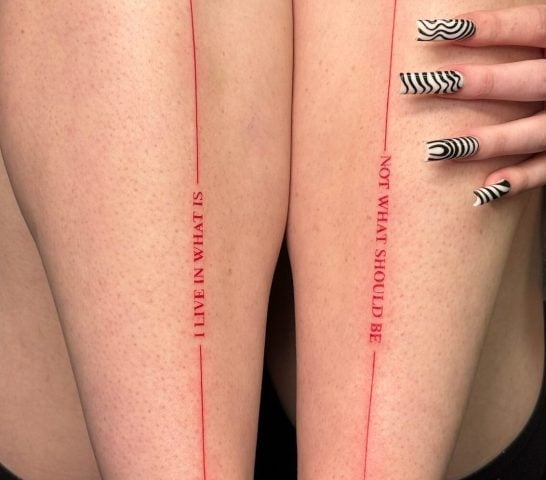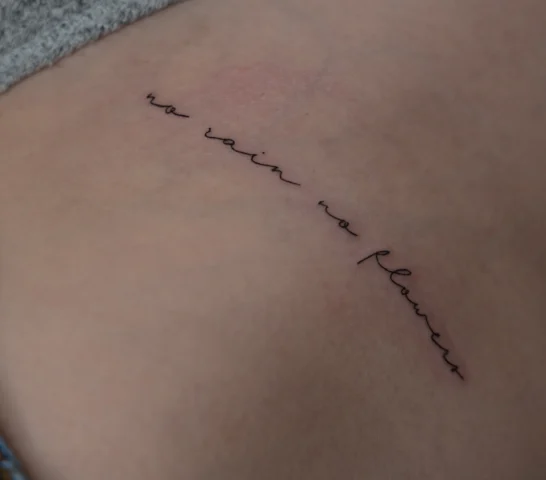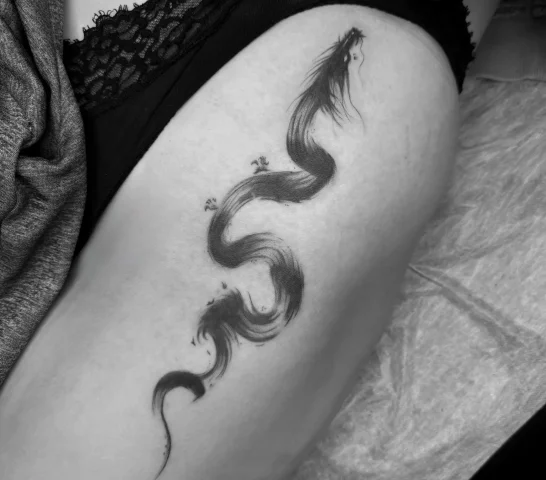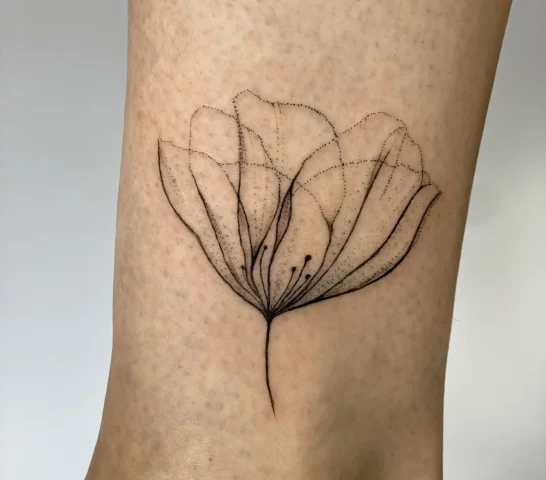
Walking out of a tattoo session unsure whether you handled the tip right is more common than you’d think. New York has an understood tipping culture across restaurants, salons, and service businesses of all kinds, but tattoo studios sit in a gray area that nobody really explains out loud. This covers the full picture — how much, when, how, and what else matters beyond the money.
The Tipping Range Most NYC Tattoo Artists Expect
The widely accepted range is 15 to 25 percent of the session cost, with 20% being the most common number. It mirrors what you’d tip at a hair salon or spa — skilled, personal, hands-on work that required real preparation.
Manhattan studios tend to price higher than outer boroughs, so even a standard 20% carries weight. The percentage matters less than the thought behind it, and anywhere in that window is genuinely appreciated.
The Financial Reality of Independent Tattoo Work in New York
Most tattoo artists rent their chair or operate on a commission split with no salary floor. Income shifts based on bookings, session length, and how much prep each project demands. Tips are not an extra layer, they are part of how the week adds up financially.
Custom work adds invisible labor on top of that. Concept sketches, reference research, layout revisions, all of it happens before you ever sit down. By the time the needle touches skin, your artist has already put in several hours on your behalf. A tip reflects that broader investment, not only the time you were physically present for.
Cash vs. Digital Payments for Tipping Your Tattoo Artist
Cash remains the preferred method at most New York tattoo studios. It reaches the artist without any app taking a percentage, and it is immediate. Pulling money from an ATM before your appointment is a habit worth building if you can manage it.
Digital payments are increasingly accepted across the city. Venmo, Cash App, and Zelle are common at many studios, particularly for clients who do not carry cash. If you want to confirm ahead of time, ask when you book.
Multi-Session Projects and How to Handle Tipping Along the Way
For multi-session work, the standard approach is to tip based on each individual session’s cost as you go, rather than saving it all for the final visit. Artists bring the same preparation and care to every sitting, and deferring until the end leaves earlier sessions unacknowledged.
This is worth keeping in mind if you are working on something that requires real continuity, like building out a custom tattoo sleeve across several scheduled sessions. Tipping along the way also builds the kind of rapport that makes longer collaborations go more smoothly.
Do You Still Tip for a Complimentary Tattoo Touch-Up?
A complimentary touch-up still costs your artist time, attention, and setup. Not charging you for it was a professional courtesy, not a signal that their time holds no value. Coming prepared to tip, even something modest, is the right way to handle it.
If you’re unsure your piece actually needs correction yet, it helps to understand what normal tattoo healing looks like and when touch-up work is genuinely warranted before booking anything. For visits that do go forward, basing the tip on your artist’s standard hourly rate is a reasonable reference point.
The Unwritten Rules of Being a Respectful Tattoo Client
Tipping is one part of how clients show respect for an artist’s time and craft. The rest comes down to how you prepare and communicate.
Show up on time.
Artists structure their entire day around their schedule. A late arrival compresses the session and puts pressure on the work itself.
Mention your budget upfront.
Sharing your range before the design process starts is practical, not awkward. Your artist can shape the scope accordingly, and you avoid any uncomfortable moments at checkout. Getting familiar with how studios approach the custom design consultation process can help set clear expectations before your first appointment.
Stay open to design feedback.
If your artist suggests adjustments to sizing, placement, or line weight, there is usually a technical reason behind it that is not always visible on a reference photo. Their read on what holds up well on skin over time is part of what you are paying for.
Write a review afterward.
A thoughtful five-star review has a real impact on an independent artist’s visibility and reputation. It takes a few minutes and carries more weight than most clients expect.
How to Handle Tipping When Money Is Tight
Being budget-conscious is a real and common situation. If 20% is not feasible after a particular session, tipping a smaller amount is still better than nothing. A genuine referral, a social media tag, or a detailed written review all hold value for artists who rely on word of mouth to grow their clientele.
The most practical move is to factor the tip into your total when you are planning the appointment. Treating it as part of the overall cost from the beginning removes any uncertainty at the end.
When It Is Reasonable to Skip the Tip
There is one scenario where forgoing the tip is understandable, and that is a genuinely poor experience that your artist was not willing to address. If you felt dismissed, the result missed what you discussed despite clear communication, and no effort was made to correct it, you are not obligated to leave anything.
That situation is rare. Before leaving without tipping, give your artist a chance to make it right while you are still there. Most people in this industry care about their work and would rather address a concern than have a client leave dissatisfied. A reduced tip rather than none at all tends to be the more measured response when the overall experience was mostly positive but fell short in one area.
NYC Tattoo Tipping Quick Reference
|
Situation |
Suggested Tip |
|
Standard session, solid work |
20% |
|
Large or highly detailed custom piece |
20–25% |
|
Shorter or simpler session |
15–20% |
|
Complimentary touch-up |
Based on standard hourly rate |
|
Multi-session project |
Tip after each individual session |
|
Poor experience, unresolved |
Use your own judgment |
What to Remember When You Leave the Studio
Tipping a tattoo artist follows the same general logic as tipping anyone doing skilled, personal service work. You are acknowledging preparation, craft, and time that extends well beyond what is visible in the session itself. The 15 to 25 percent range holds across most situations, cash is preferred when possible, and tipping per session is the fair approach for longer projects.
In a city like New York, where studio overhead is high and most artists operate independently, a tip makes a meaningful difference. It is less about following a rule and more about recognizing the full scope of what goes into the work.