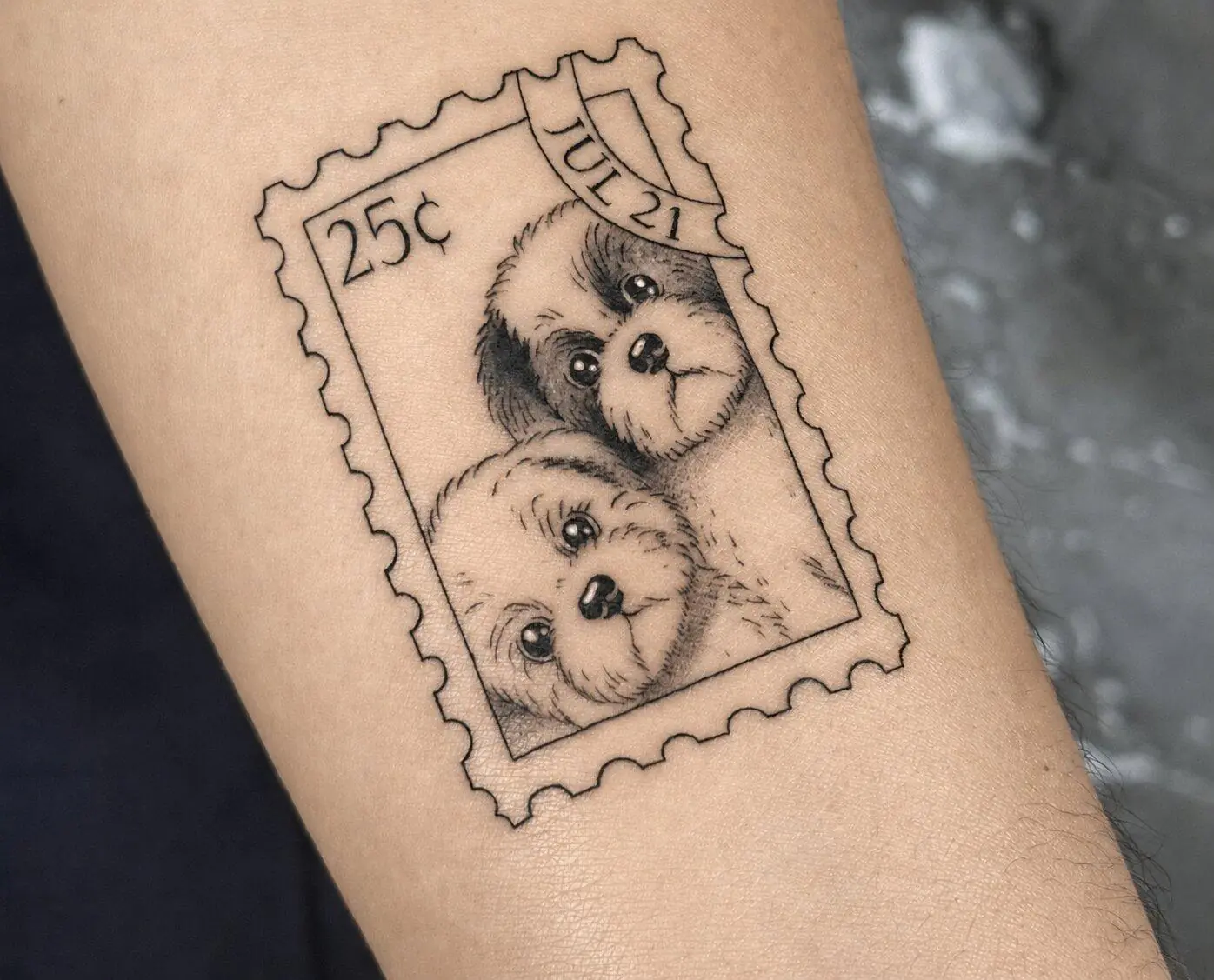

A consultation of every kind, including the one regarding a tattoo, is a serious conversation about the tattoo before you finalize the design and book your appointment. At this point, you show the artist what you have in mind and explain where and what size you want it, then talk through how it will look on the body once done. We have all kinds of consultations, the ones where clients have a clear reference and the ones where they just have a few saved images and not much beyond that. Both are completely normal. A tattoo consultation in NYC gives the artist enough information to plan the piece properly, flag anything that needs adjusting, and explain what happens next before the tattoo session is scheduled.
References and Ideas to Bring With You
You do not need finished artwork before a consultation. In fact, a rough idea plus a few useful references is often enough to start a productive conversation.
The initial booking request can include a vague concept, and photo references are requested along with preferred dates. For custom pieces, the design process begins with the ideas and visual material you provide, then develops through conversation with the artist.
For a tattoo consultation Manhattan clients should come prepared with a few basics:
- Reference images. Choose images that communicate the subject, style, mood, or details you like.
- A rough size. You do not need an exact measurement at the first stage, though a general sense of scale helps.
- Preferred placement. Know the area of the body you are considering.
- The subject or concept. A short description is enough if the design is still developing.
- A budget range, if you have one. Sharing it early can help define the scope of a custom project.
I usually recommend keeping the reference folder selective. Five useful images are easier to discuss than fifty screenshots that point in several directions. One image might show the floral style you like. Another may capture the density of the linework. A third could show the general composition.
The artist does not need every reference to match perfectly. The point is to communicate what you are responding to.
There is also no requirement that your idea already be visually complete. A client may know the subject and placement while having no idea how the finished composition should look. That is exactly the kind of issue a consultation can address.
How an Artist Adapts a Design to Your Body and Size
A design that works as an image still needs to work on skin.
During a custom tattoo consultation NYC session, the artist reviews the reference material, discusses sizing, considers placement options, and gives feedback on how the piece can sit on the body. The conversation also covers the overall direction of the design.
This is where some of the most important decisions happen.
Placement Changes the Composition
Body placement affects how a design is arranged. The artist may suggest changes that help the tattoo follow the body more naturally.
A floral design on a forearm, for example, may need a different orientation than the same concept placed on the ribs. A composition intended for a curved area can also need adjustments before the drawing stage begins.
The consultation gives the artist a chance to look at those practical details early.
Size Has to Support the Detail
Clients often arrive with two separate wishes: a particular amount of detail and a particular size. Those ideas still need to work together technically.
The artist will discuss what can be achieved at the scale you have in mind and may recommend adjustments. Fine line work, microrealism, lettering, and other detailed styles all depend on spacing that allows the design to remain readable.
A useful consultation should leave you with a clearer understanding of the scale the artwork needs.
The process usually moves through a few decisions:
- The references establish the visual direction.
- The placement gives the artist a physical area to design for.
- The size determines how much detail can reasonably fit.
- The artist develops the composition around those choices.
That sequence is why reference images are useful without becoming a finished blueprint. The artist still has to translate the idea into a tattoo designed for your body.
Virtual consultations are also available. That can be useful for clients who have busy schedules or who are traveling into New York for the appointment.
When You Can Schedule the Tattoo Session
The consultation and the tattoo session do not always happen close together. Custom work needs a design stage in between.
After the direction has been established, the artist begins developing the artwork. That process may involve pencil sketches, digital illustration, or a combination of the two. The stated design window for most pieces is one to three weeks after the consultation, depending on complexity.
A tattoo design consultation can therefore be the beginning of a short design process rather than the final step before tattooing.
You will have an opportunity to review the draft and request changes. Most custom designs are finalized within one or two revision rounds. Larger or more complex projects can require additional time.
The Design Comes Together Before the Session
The process usually looks like this:
Consultation → design development → draft review → revisions → final approval → tattoo appointment
Once the design is finalized and you are ready to proceed, the tattoo session can be booked.
Appointment requests also allow you to include preferred dates at the beginning of the process, which helps the front desk understand your schedule early. The actual design timeline still depends on the project.
A $100 non-refundable deposit is required to secure appointments, and that amount is applied to the final tattoo cost. If you need to move the appointment, the deposit can be transferred to a new date with at least 48 hours’ notice.
On tattoo day, there is still one final visual check. The approved design is placed on the skin as a stencil so you can see the size and position on your body. Placement and sizing can still be adjusted at that stage before tattooing starts.
That last check is important. A design can look correct on a screen and still need a slight shift once it is physically placed on the body.
A good consultation clears up most of those questions early. Bring enough information to explain the idea, stay open to the artist’s technical feedback, and give the design process enough time. By the time the tattoo session arrives, the major creative decisions should already make sense.