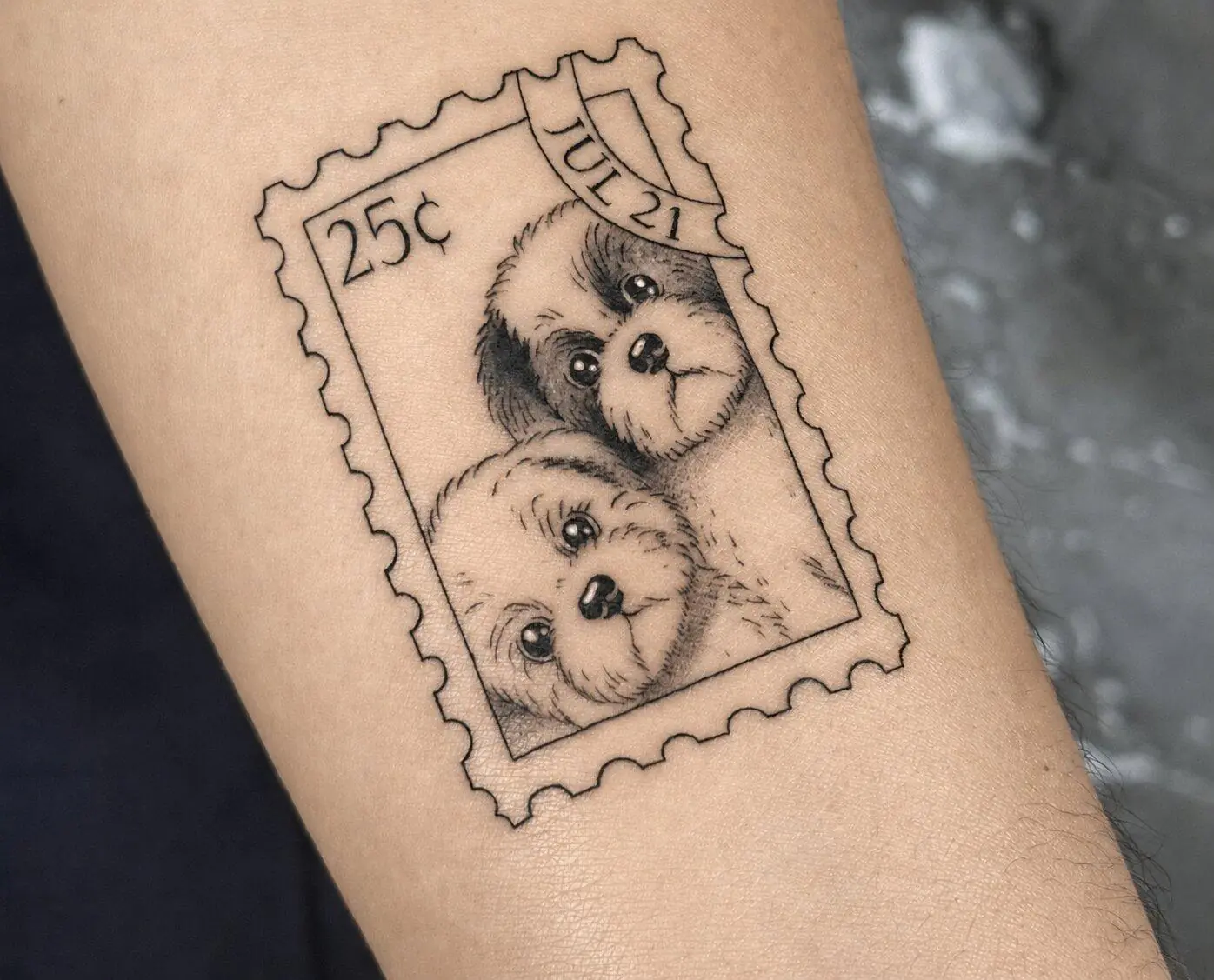

A premium tattoo studio NYC clients feel confident booking usually reveals its standards before the tattoo session starts. You notice it in how clearly the process is explained, how seriously sanitation is handled, how much attention goes into the design, and how direct the conversation around pricing feels. The final tattoo is one part of that experience. There is also preparation, placement, artist input, hygiene, and aftercare. These are practical things a client can actually evaluate. A polished interior or expensive branding says very little on its own. The working process gives you a much better idea of the level of studio you are dealing with.
How Safety and Sanitation Standards Affect the Experience
Tattooing breaks the skin, so sanitation has to be treated as part of the technical work.
The studio uses single-use disposables, strict sterilization procedures, and double disinfection before and after each client. For someone researching a luxury tattoo studio Manhattan appointment, those are the kinds of concrete standards worth looking for.
Clients do not need professional knowledge of tattoo equipment to notice whether hygiene is taken seriously. The basics should be clear and consistent.
The stated procedures include:
- single-use disposable materials;
- strict sterilization procedures;
- disinfection before each client;
- disinfection again after the client.
Personally, I prefer sanitation information that is this straightforward. Vague claims about cleanliness are not especially useful. Specific procedures are.
Hygiene Does Not Stop When the Session Ends
The tattoo needs attention once the artist finishes working as well.
At the end of the session, the tattoo is cleaned and covered, and the artist provides aftercare instructions. Guidance is also available for different bandaging and healing methods.
That final conversation is easy to underestimate, especially for someone getting tattooed for the first time. Clients need to know how to clean the area, how to handle the covering they were given, and what the normal healing process involves.
A professional session should leave very little uncertainty about the next few days.
Why Service and Communication Are as Important as the Design
Most tattoos involve several conversations before the actual tattooing starts.
Someone may have the subject decided and still be unsure about scale. Another client has a placement in mind but needs help developing the composition. Custom work can require reference images, design discussion, revisions, scheduling, and a clear quote.
Any reputable boutique tattoo studio in NYC should keep those stages understandable.
The booking process allows clients to submit their idea, reference imagery, preferred dates, and artist preference. If the concept still needs development, that can be discussed as part of the process too.
A Consultation Should Resolve Real Questions
A useful consultation has a job to do.
For custom work, the artist can discuss:
- the idea and visual references;
- approximate size;
- intended placement;
- design direction;
- adjustments suggested for the chosen area of the body.
I would use this conversation to be very specific. If a certain element cannot be removed, say that. If the placement is flexible, say that too. The artist can give better advice when they know which parts of the concept are fixed and which parts still have room to change.
Virtual consultations are also available, so the initial design discussion does not always require an in-person studio visit.
Custom Work Continues After the Conversation
A consultation is usually the beginning of the design process for a custom piece.
Once the direction is established, the artwork can be developed through pencil sketches, digital illustration, or a combination of both. A draft is then reviewed and revisions can be requested. Most custom pieces are finalized within one or two revision rounds, although more complicated projects can need additional development.
The stated design phase for most custom projects takes around one to three weeks after consultation, depending on complexity.
That time is easy for clients to overlook because it happens outside the tattoo session. It is still part of producing the final piece.
Pricing Should Be Explained Clearly
Clients should know what their project costs before confirming the appointment.
Tattoo sessions are priced by project, and the final price is communicated before the booking is confirmed. That gives the client a chance to review the quote with the actual design, size, placement, and complexity in mind.
Clear pricing does not require an elaborate explanation. It requires a clear number and enough context to understand what has been quoted.
What Clients Are Actually Paying for at a Premium Studio
A tattoo price can look like payment for the hours spent in the chair. Custom tattoo work usually contains considerably more work around that session.
A high end tattoo shop NYC client is paying for the artist’s technical ability, design preparation, consultation, placement decisions, sanitation procedures, the tattoo session itself, and the care instructions that follow.
The Work Before Tattoo Day
Custom design starts with information.
The artist reviews the idea, references, size, and placement, then develops artwork around those details. Depending on the project, this can involve sketches, digital drawing, and revisions.
This part is less visible to the client. You see the finished draft. The artist has already spent time solving the composition, deciding what level of detail fits the size, and preparing something that can actually be tattooed.
That is one reason I would never judge tattoo pricing solely by session length.
The Artist’s Technical Skill
Drawing the design and tattooing it are separate skills.
During the session, the artist has to execute the approved artwork on skin while controlling placement, linework, detail, and the technical demands of the chosen style. Fine line work, microrealism, floral tattoos, lettering, ornamental designs, and other styles each create their own technical considerations.
Artist portfolios help clients find someone whose existing work fits the project. That selection is part of the process as well.
Placement Is Checked on the Body
An approved drawing still has to be tested in its actual location.
Before tattooing starts, the design is placed on the skin as a stencil. The client can see its size and position, and adjustments can still be made at this stage.
I would never rush this part. Half an inch can change how a tattoo sits around a wrist, follows an arm, or lines up with existing work. The stencil is the moment to look carefully and speak up if something feels off.
The Service Continues After the Final Line
Once tattooing is complete, the area is cleaned, protected, and the healing process is explained.
Taken together, a premium studio experience includes:
- a clear discussion of the project;
- appropriate artist selection;
- design development when the tattoo requires it;
- documented sanitation procedures;
- pricing established before booking;
- stencil placement and size checks;
- careful technical execution;
- aftercare guidance after the session.