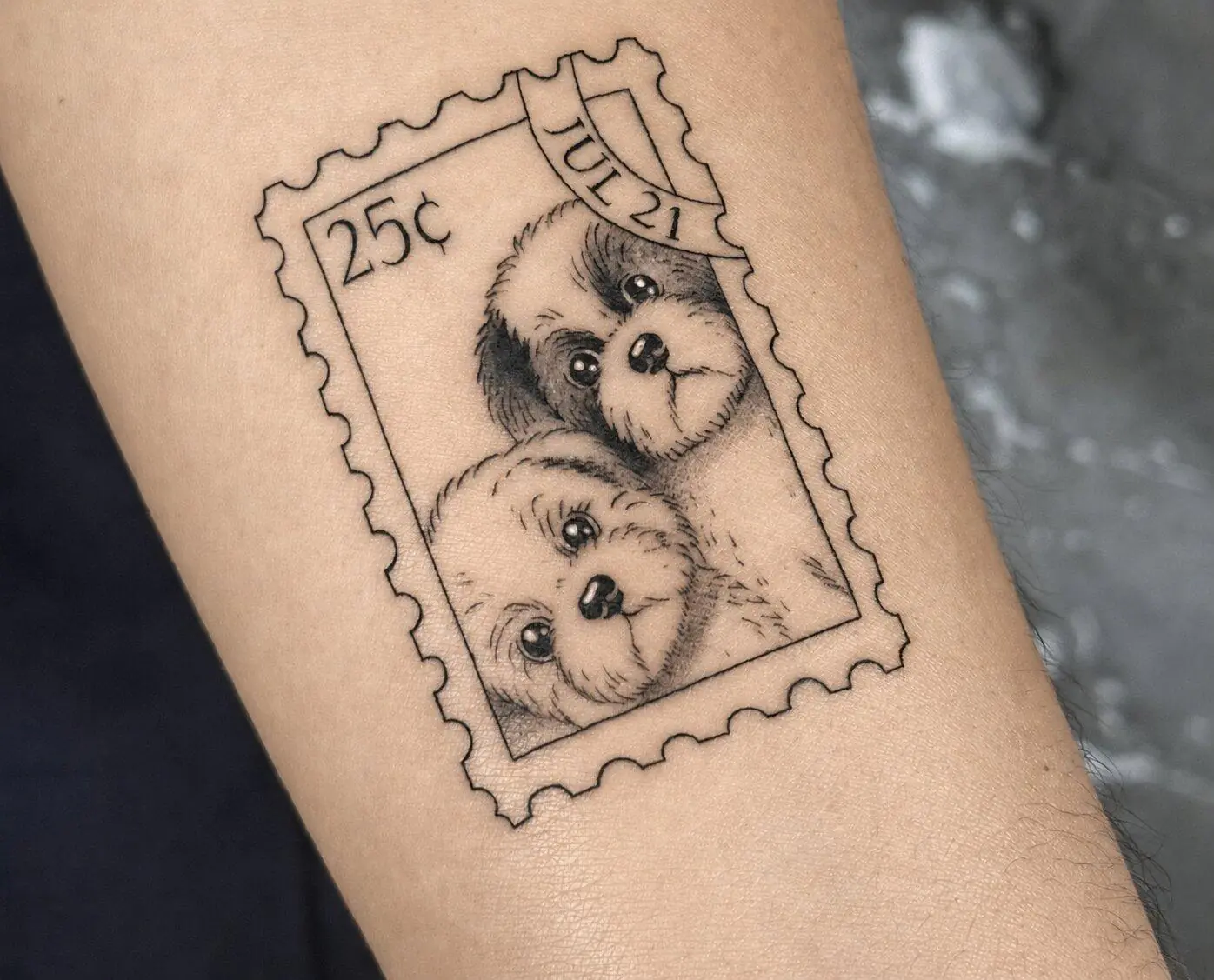
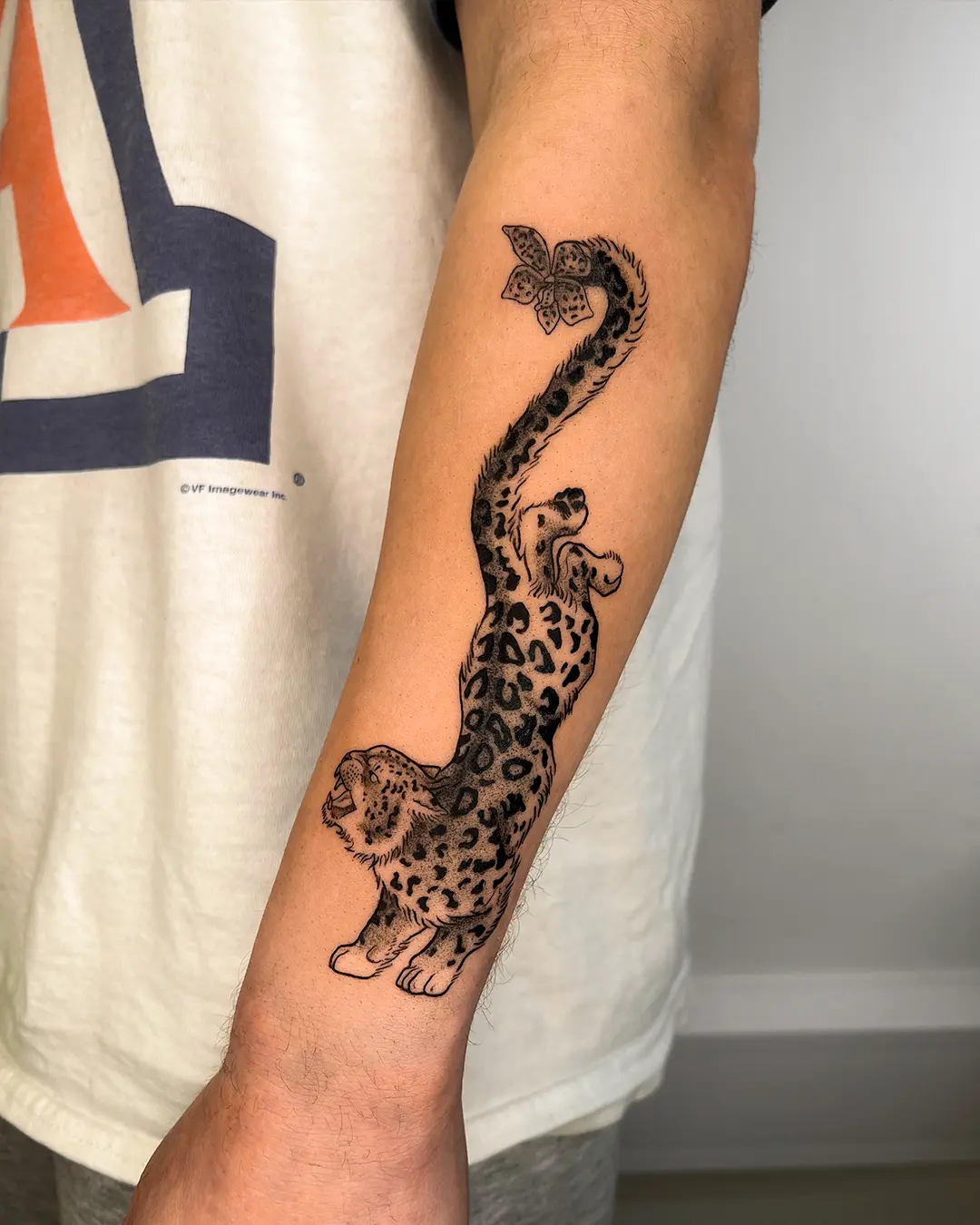
Tattoo terminology gets confusing quickly because clients often hear technique, style, and equipment described as if they mean the same thing. They don’t. The single needle vs fine line tattoo distinction is actually fairly straightforward once you separate the tool an artist uses from the look they are trying to create. Single needle refers to a needle configuration. Fine line describes an approach built around thin, precise lines and delicate detail. The two frequently overlap, which is where most of the confusion starts. Understanding that difference helps when you are looking through portfolios, discussing a small detailed design, or trying to explain the finish you want to an artist.
What These Terms Actually Mean
The cleanest way to understand the terminology is to stop treating single needle and fine line as competing tattoo styles.
They describe different parts of the tattooing process.
Term | What It Refers To | Common Uses |
Single needle | A configuration using one needle | Very delicate lines, tiny details, micro-scale work |
Fine line | A tattooing approach centered on thin, precise linework | Lettering, florals, minimalist designs, micro-art, ornamental details |
Tight needle grouping | Several needles grouped closely together | Fine lines that need slightly different weight or coverage |
What Is a Single-Needle Tattoo?
A single-needle tattoo is created with one needle rather than a grouped configuration.
That gives the artist the ability to create extremely narrow marks and work at a very small scale. Single-needle techniques are commonly associated with delicate lettering, miniature details, subtle botanical elements, and microrealism.
Someone researching a single needle tattoo in NYC may also see the term used alongside fine line because the studio’s fine-line work includes single-needle and ultra-fine techniques. Microrealism also uses single-needle and fine-line methods for miniature portraits, natural subjects, and detailed objects.
The important point is simple: “single needle” tells you something specific about the equipment being used.
It does not describe every visual decision in the finished tattoo.
What Is a Fine-Line Tattoo?
Fine line refers to thin, controlled linework and detailed tattooing. The artist may use a single needle or a very tight grouping, depending on the design and the line weight needed.
That gives fine line a broader range.
It can include:
- minimalist symbols;
- delicate script;
- florals and botanicals;
- geometric details;
- ornamental work;
- miniature illustrations;
- microrealism;
- subtle shading.
The current fine-line portfolio describes the approach as using single-needle and ultra-fine techniques for work ranging from simple symbols to complex micro-art.
So if an artist says a design is fine line, that does not automatically tell you that every part of it will be tattooed with one needle. The artist chooses the configuration that suits the design.
How Technique Affects Detail and Healing
Tattooing creates thousands of small punctures in the skin and deposits pigment into the dermis. That process temporarily disrupts the skin barrier and triggers the body’s normal inflammatory and healing response.
Needle configuration influences how an artist builds the tattoo, though it is only one part of the equation.
The fine line tattoo technique often uses a single needle or a tight grouping, with less heavy saturation than styles built around thick outlines or densely packed areas. Fine-line aftercare guidance notes that this can create less skin trauma during the session, and the surface may settle relatively quickly.
That does not turn fine line into a shortcut around healing. The tattooed skin still has to repair itself.
Detail Needs Enough Space
Single-needle equipment gives an experienced artist a great deal of precision. It cannot remove the physical limits of skin.
Very small elements can soften as a tattoo ages. Lines placed extremely close together may become less distinct over time. Fine-line and single-needle designs therefore still need appropriate spacing and scale.
This is especially important with:
- very small lettering;
- facial details in microrealism;
- dense botanical work;
- tiny decorative patterns;
- designs with several lines sitting close together.
I would never reduce a design simply because a thinner needle exists. Scale should follow the amount of information the tattoo needs to hold.
Healing Is Individual
There is no reliable rule that every single-needle tattoo heals in exactly the same way or within an identical timeline.
Tattoo healing can be influenced by technique, placement, aftercare, individual skin, sun exposure, and other factors. Dermatologists also note that some redness, swelling, soreness, itching, flaking, and scabbing can occur during normal healing.
Fine-line work can heal with a softer appearance because less ink may be deposited in very delicate areas. Some single-needle tattoos can also experience fading over time. Proper technique and appropriate aftercare play a large role in the final result.
Sun protection remains important after healing as well. The American Academy of Dermatology notes that ultraviolet exposure can fade tattoo ink and recommends protecting tattooed skin with broad-spectrum, water-resistant SPF 30 or higher once the skin has healed enough for sunscreen use.
How to Choose the Right Option for Your Design
The fine line vs single needle question becomes much easier once you stop trying to choose the needle yourself.
That decision belongs to the artist. Your job is to explain the result you want clearly enough for the artist to select the appropriate technique.
I would work through the design in this order.
1. Start With the Subject
Decide what you actually want tattooed before worrying about terminology.
A tiny date, botanical piece, miniature portrait, ornamental design, and short script each create different technical requirements.
Bring reference images that communicate the visual direction. They do not need to show the exact finished tattoo.
2. Decide How Delicate You Want the Result to Feel
Look at portfolios and pay attention to line weight.
Some clients want extremely subtle lines. Others like fine-line work with slightly more definition. Show the artist examples of the finish you respond to instead of requesting a particular needle purely because you have heard the name online.
3. Discuss Size and Placement Together
Tell the artist:
- your preferred placement;
- the approximate size you have in mind;
- the details you want to keep;
- any elements you are comfortable simplifying.
The artist can then assess how much detail the chosen area and scale can support.
A small tattoo may still need to become slightly larger once the details are mapped properly. I see this most often with lettering and miniature illustrative work. Clients sometimes focus on making the tattoo tiny before anyone has considered how closely the lines will sit.
4. Let the Artist Choose the Needle Configuration
A fine-line piece may call for one needle in some areas and a tight grouping elsewhere. The finished appearance is the useful goal.
Portfolio fit gives you more information than needle terminology alone. Look for artists who repeatedly produce the type of linework, subject, and scale you want.
5. Ask About the Expected Healed Result
Fresh tattoo photos are useful. Healed examples give you another perspective.
Ask how the artist expects the lines and small details to settle, especially when the design is very delicate. That conversation may lead to a slight change in size, spacing, or placement.
The choice between these techniques does not need to become technical homework for the client. Bring the concept, references, approximate size, and placement. If you are still unsure how delicate the piece should be, include that in your inquiry; the artist can recommend an approach once the design itself is clear.