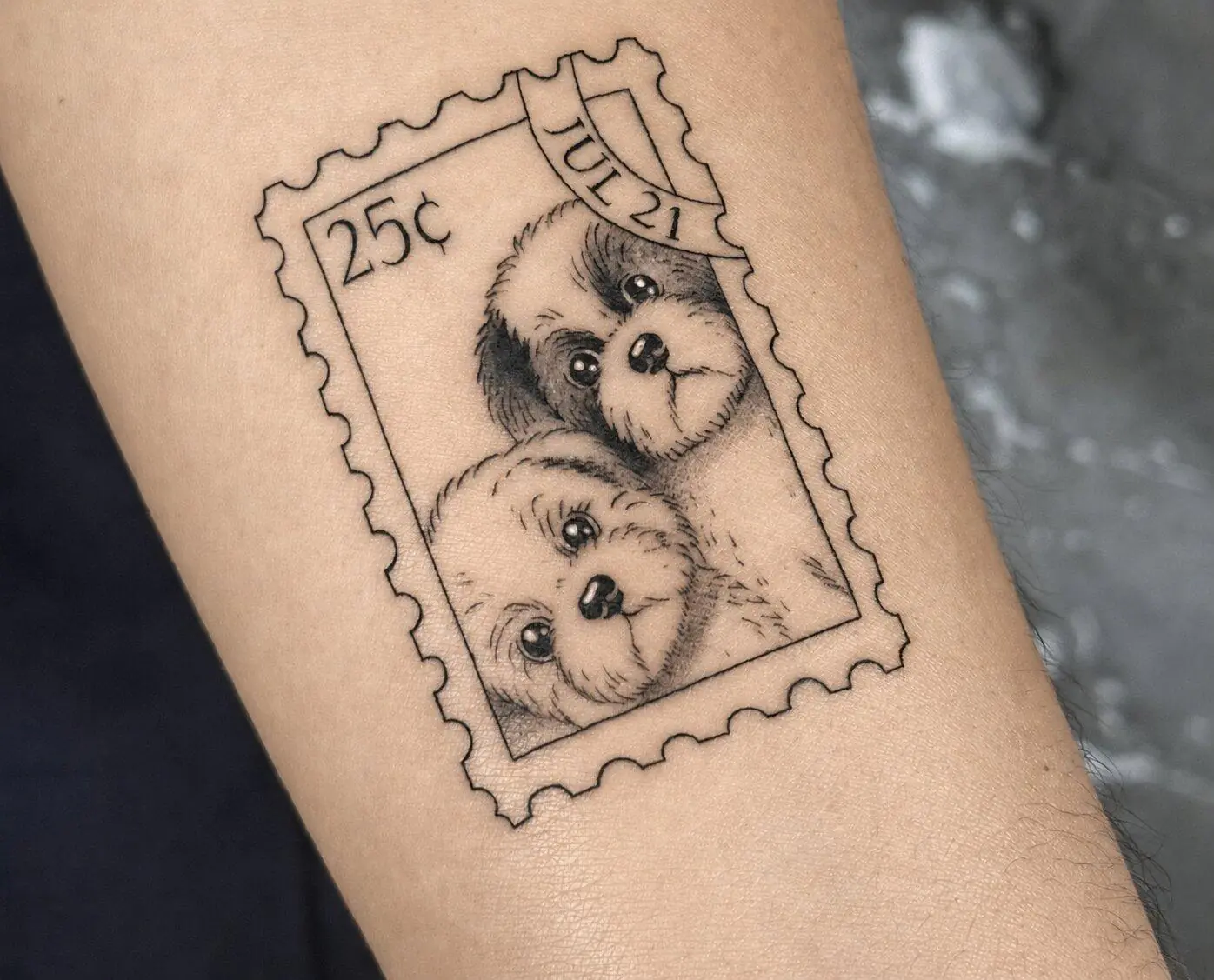

Fine line work can look deceptively simple. Seemingly, it’s just a small botanical tattoo, or a short word, even a tiny geometric piece that contains only a handful of visible elements. And yet, every one of them needs control, and a careful one, at that. Line depth, spacing, placement, scale, and skin behavior all affect the result. That is why choosing a fine line tattoo Manhattan studio deserves more thought than checking availability and scrolling through a few fresh photos. A careful search should include technical skill, healed work, portfolio consistency, client reviews, hygiene, and the booking process. This guide covers each of those points and explains what is worth asking before you commit.
Why Fine Line Tattoos Require Precision and Experience
Fine line tattooing uses small needle groupings, sometimes a single needle, to create narrow lines, delicate shading, lettering, botanical details, micro-art, and other precise designs.
The technical part is less forgiving than many clients expect. A line can be only a fraction of a millimeter wide, yet the artist still has to place pigment at a consistent depth while moving through skin that stretches, curves, and changes in thickness.
A few things have to be judged constantly:
- Needle depth. Pigment needs to settle correctly in the skin. Too shallow can lead to weak or broken-looking areas after healing. Excessive depth can increase the risk of spreading.
- Hand speed. Movement has to stay controlled so thin lines remain even.
- Pressure. Small changes can affect saturation and line quality.
- Spacing. Tiny details need enough room to remain readable after the tattoo heals.
- Scale. Some designs simply need more space than the reference image suggests.
- Placement. Skin texture, movement, friction, and body contours influence how a design should be built.
That last point gets underestimated often. A design that works well on the outer forearm may need adjustments on a finger, ankle, rib area, or wrist.
When evaluating a fine line tattoo NYC artist, line thinness alone tells you very little. Technical skill shows up in consistency. Look at how curves are handled. Check tiny intersections. Pay attention to the beginning and end of each line. Script should remain readable without letters crowding each other.
Experience also shows in the advice an artist gives before tattooing. Sometimes the best technical decision is changing the scale by half an inch, simplifying one interior detail, or adjusting the placement slightly. Those are normal parts of fine line work.
How to Evaluate Portfolios, Healed Work, and Reviews
A good portfolio deserves more than a quick scroll. The most useful way to review one is in stages.
Start With Work That Resembles Your Idea
Fine line is a technique, not one single visual style. One artist may work heavily with botanicals and lettering. Another may specialize in microrealism, miniature illustration, graphic pieces, ornamental work, or delicate animal designs.
Start with the category closest to what you want.
For example:
- Search for tattoos with a similar level of detail.
- Look for pieces around the same approximate size.
- Check comparable placements when possible.
- Review several tattoos instead of focusing on one strong image.
- Pay attention to repeated technical quality across the portfolio.
This is especially important when searching for the best fine line tattoo artist NYC can offer for a specific project. “Best” is highly dependent on the tattoo itself. Someone who consistently produces excellent miniature portraits may not be the artist whose lettering portfolio you prefer.
Look at the Lines, Then Look at the Whole Tattoo
Zooming in is useful, within reason.
At close range, check for controlled curves, readable details, even spacing, and deliberate line endings. Dense areas should still make visual sense.
Then look at the tattoo at normal viewing size.
This second check matters because fine line work is worn on a body, not viewed permanently at 300% magnification. A design should still read clearly once you stop inspecting individual pixels.
Check Healed Work
Fresh tattoos naturally photograph well when the skin has just been cleaned and the pigment is new. Healed work gives you another piece of information.
Look for examples photographed after the skin has settled.
Useful details include:
- lines that remain clear;
- lettering that stays readable;
- small elements that still have separation;
- shading that has healed evenly;
- overall structure that remains intact.
Do not expect every healed tattoo to look identical. Skin type, aftercare, placement, sun exposure, and individual healing all affect the final appearance.
What matters is the pattern across several pieces.
Read Reviews for Details, Not Compliments
A five-star review that says “amazing” is nice. It does not tell you much.
Detailed reviews are more useful because they reveal how the studio works when someone is actually sitting in the chair.
Look for repeated comments about:
What Clients Mention | Why It Matters |
Design guidance | Shows how artists handle size, detail, and placement |
Cleanliness | Gives insight into studio standards |
Communication | Helps you understand the booking experience |
Patience | Important when placement or sizing needs adjustment |
Aftercare explanations | Shows what happens once the tattoo is finished |
Healed results | Gives useful long-term context |
One review can be unusually positive or unusually negative. Patterns deserve more weight.
Questions to Ask Before Booking Your Appointment
Once you have found a fine line tattoo studio Manhattan clients seem to trust, ask a few direct questions before putting down a deposit.
You do not need to interrogate the artist. You do need enough information to understand what you are booking.
Start here:
- Which artist has the most experience with this particular style?
- Can I see healed examples with a similar level of detail?
- Is my preferred size realistic for this design?
- Will the placement require any changes?
- How is the tattoo priced?
- When is the final price confirmed?
- How much is the deposit?
- When will I review the design?
- Can placement and scale be adjusted before tattooing starts?
- What hygiene procedures are followed during each session?
- What aftercare instructions will I receive?
- What happens if I need to reschedule?
- How are touch-ups handled after healing?
Pay attention to the quality of the answers.
Good tattoo consultations tend to be specific. If an artist recommends making a design larger, you should understand why. If a detail needs to be simplified, there should be a technical reason behind it. Clear explanations make the entire process easier.