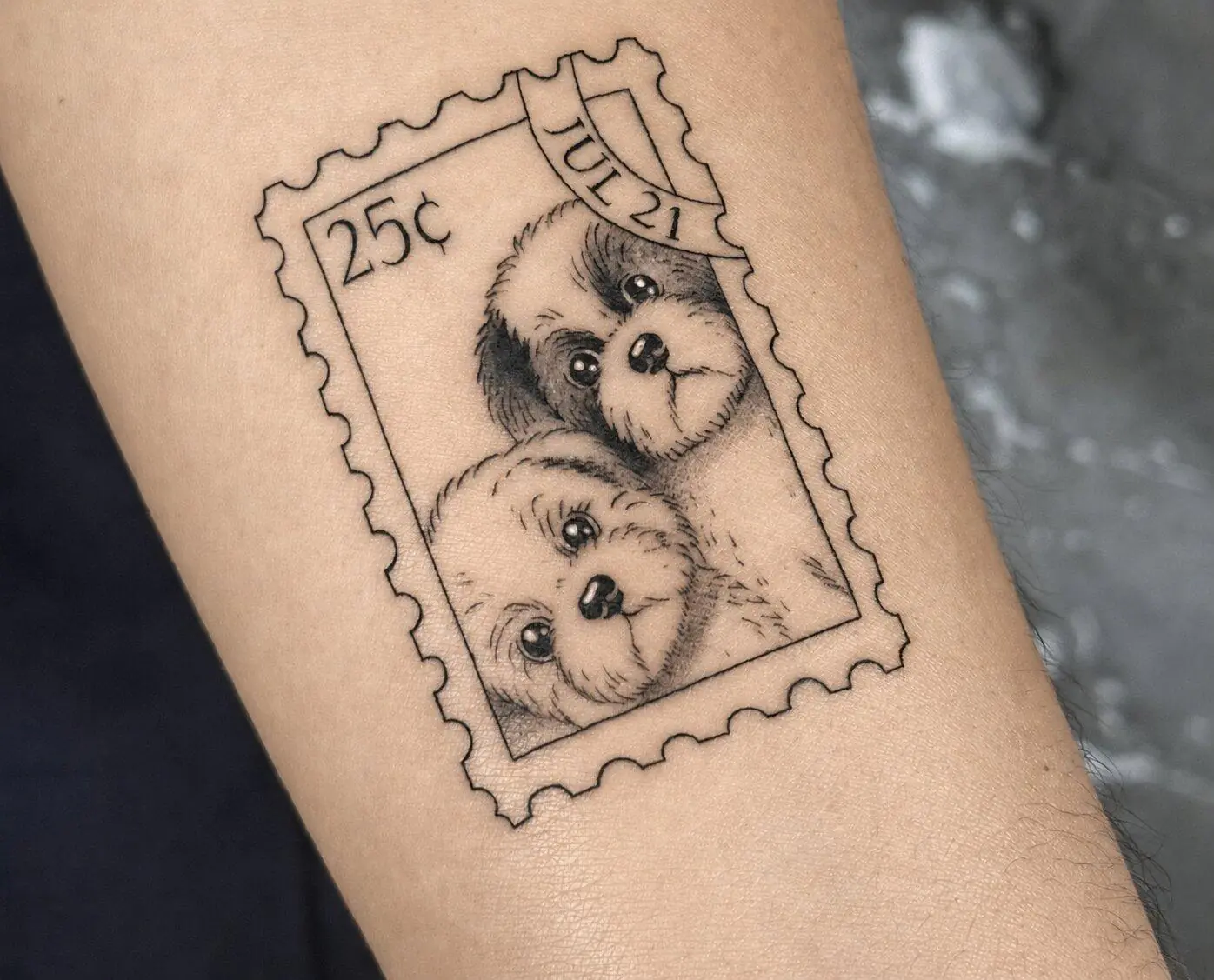
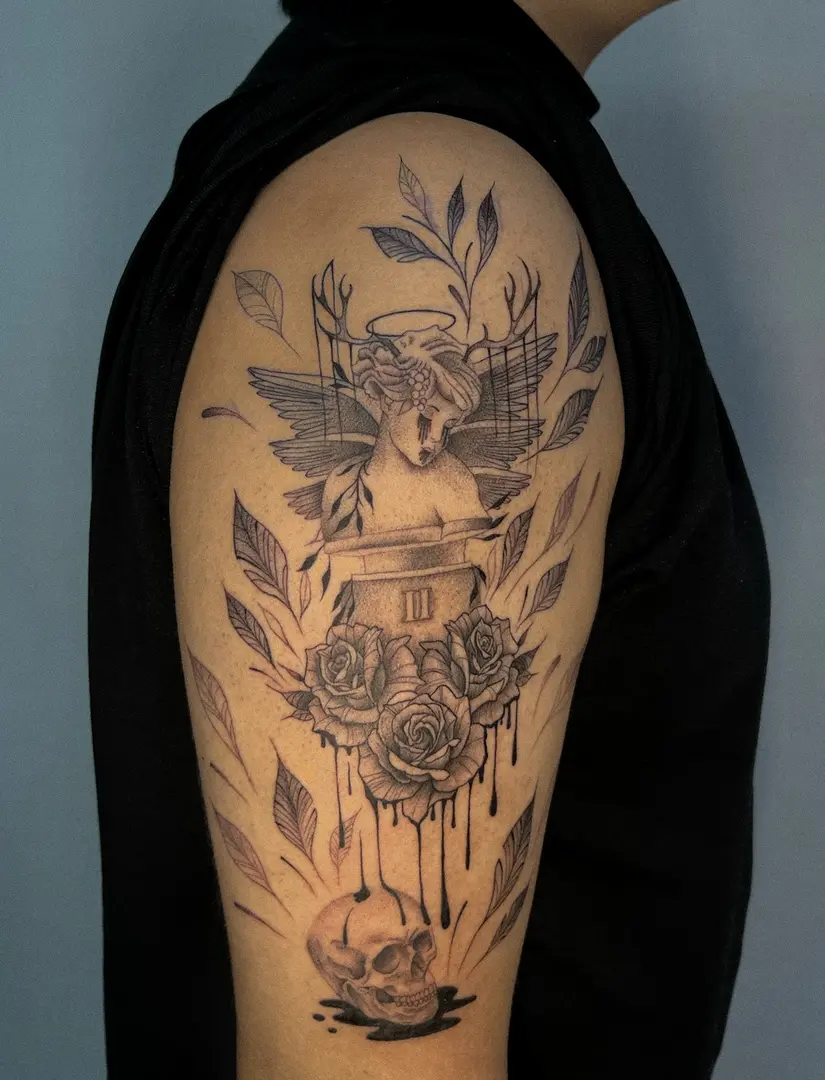
Choosing a tattoo artist NYC clients can trust starts with style. That sounds obvious, yet it gets skipped surprisingly often. People find one tattoo they love, like the overall feed, and book before checking what that artist actually does repeatedly. A stronger approach takes a little longer. Look at the artist’s specialties, study several pieces in the same category as your idea, check healed work when it is available, and pay attention to how the artist handles custom concepts. This guide covers each step, including one situation people overlook: the artist you first notice may not be the strongest fit for the tattoo you have planned.
Why a Strong Instagram Feed Is Not Enough
Instagram is useful. It gives you quick access to recent work, visual style, and the kinds of subjects an artist seems drawn to. It is still only one part of the decision.
A polished feed can contain many different things: fresh tattoos, close-up crops, videos, flash designs, older work, and pieces selected because they photograph particularly well. That makes it useful for discovery. For choosing an artist, I would go deeper.
Start by asking a few simple questions:
- Do several tattoos resemble the style I want?
- Does the artist work with this subject regularly?
- Can I find examples at a similar level of detail?
- Are there full views of the tattoos as well as close-ups?
- Does the artist’s portfolio show consistency across several pieces?
The current studio roster makes the value of specialization pretty clear. Holly’s listed styles include X-ray florals, abstract work, and fine line. Sophia works with whimsical designs, fine line, and botanicals. Maria’s specialties include anime, florals, and fine line. Alex focuses on microrealism, nature, and fine line. Sergio and Samuel are listed for fine line, lettering, floral, microrealism, and graphic work.
That range is exactly why searching for the best tattoo artist Manhattan has in some general sense is not very useful. The more useful question is: best for what?
A botanical concept leads you toward one set of portfolio examples. Anime leads you somewhere else. Lettering deserves its own review. Microrealism needs another kind of eye entirely.
There is also a practical advantage to checking the actual studio portfolio pages. The site separates work into categories such as fine line, X-ray floral, lettering, mini tattoos, microrealism, anime, graphic, floral, ornamental, and color work. That makes it easier to review a style as a body of work instead of relying on whatever happened to appear most recently on social media.
How to Review Specialization and Healed Work
Specialization should be the first filter. Healed work should come soon after.
Start with the artist’s listed styles and compare them with the tattoo you actually want. Fine line alone is too broad to tell you everything. The studio’s fine line work includes minimalist symbols, delicate script, highly detailed micro-art, botanicals, geometric designs, and other custom pieces. Those designs share a technical foundation, yet the drawing and composition demands can be very different.
A practical portfolio review can follow this order:
1. Find the Closest Style Match
Do not begin with your favorite tattoo in the portfolio. Begin with the work closest to your own concept.
If you want lettering, spend time with lettering. The lettering portfolio includes delicate cursive, custom calligraphy, minimalist print, names, dates, quotes, and other script-based work.
If the idea is microrealism, look at the microrealism portfolio. For X-ray florals, there is a dedicated portfolio built around translucent floral effects, fine-line work, negative space, and subtle shading.
That kind of repetition tells you much more about fit.
2. Review Several Examples
One strong tattoo is not enough to base a booking decision on. Look through a group of pieces.
Pay attention to:
- line control;
- spacing;
- detail;
- composition;
- how the work sits on the body;
- consistency across similar tattoos.
This is where choosing a tattoo artist New York clients will feel comfortable with becomes less subjective. You are still responding to style, of course. Now you are also checking how consistently that style appears across actual work.
3. Ask About Healed Work
Healed tattoos deserve attention because the skin has had time to settle.
The studio explains that the surface layer of a tattoo typically heals within 2 to 3 weeks, while the skin underneath continues healing and settling for several months. That is useful context when looking at healed examples.
When an artist has healed photos available, check the same elements you noticed in the fresh portfolio: clarity, line separation, readable detail, and the overall structure of the design.
Do not expect a healed tattoo to look identical to the fresh image. Skin has gone through an actual healing process. The point is to see how the work settled.
4. Read Client Feedback Alongside the Portfolio
Portfolio review tells you about the tattoo. Reviews give you another view of the experience around it.
Verified client reviews published on the site mention design guidance, placement discussions, patience, attention to detail, cleanliness, comfort, and aftercare. Those are useful things to notice because tattooing involves several decisions before the final stencil is approved.
A technically strong portfolio and repeated comments about a careful process make a much more useful combination.
When Another Artist at the Same Studio May Be a Better Fit
Clients sometimes arrive with an artist already selected because they loved one specific tattoo online. Then the actual idea points toward another specialty.
That is normal.
The studio’s artists overlap in fine line work, while their additional specialties vary considerably. If you choose tattoo artist NYC based only on the first portfolio that catches your attention, you may miss someone whose regular work sits closer to your concept.
Consider a different artist at the same studio when:
- Your idea falls directly into another artist’s specialty. An anime concept should be reviewed alongside the artist who lists anime among their specialties. The same logic applies to X-ray florals, botanicals, microrealism, lettering, graphic work, and nature-based designs.
- The portfolio match is stronger elsewhere. Look at actual examples. A name or social following should not settle the decision when another portfolio contains several pieces close to what you want.
- Your idea changes during planning. A concept may begin as a simple fine line piece and develop into something more specific. Once the visual direction becomes clearer, the best artist match can change too.
- You are still developing the concept. The booking process allows clients to submit a clear idea or even a vague concept, along with reference imagery and preferred dates. That leaves room for the studio to review the request before the appointment is set.
I would keep the decision fairly simple. Find the style first. Review the artists who work in it. Study enough examples to see a pattern, ask for healed work when you need more context, then book the person whose existing work makes the most sense for your tattoo.
That is a much stronger way to choose than starting with a name and trying to make the design fit afterward.