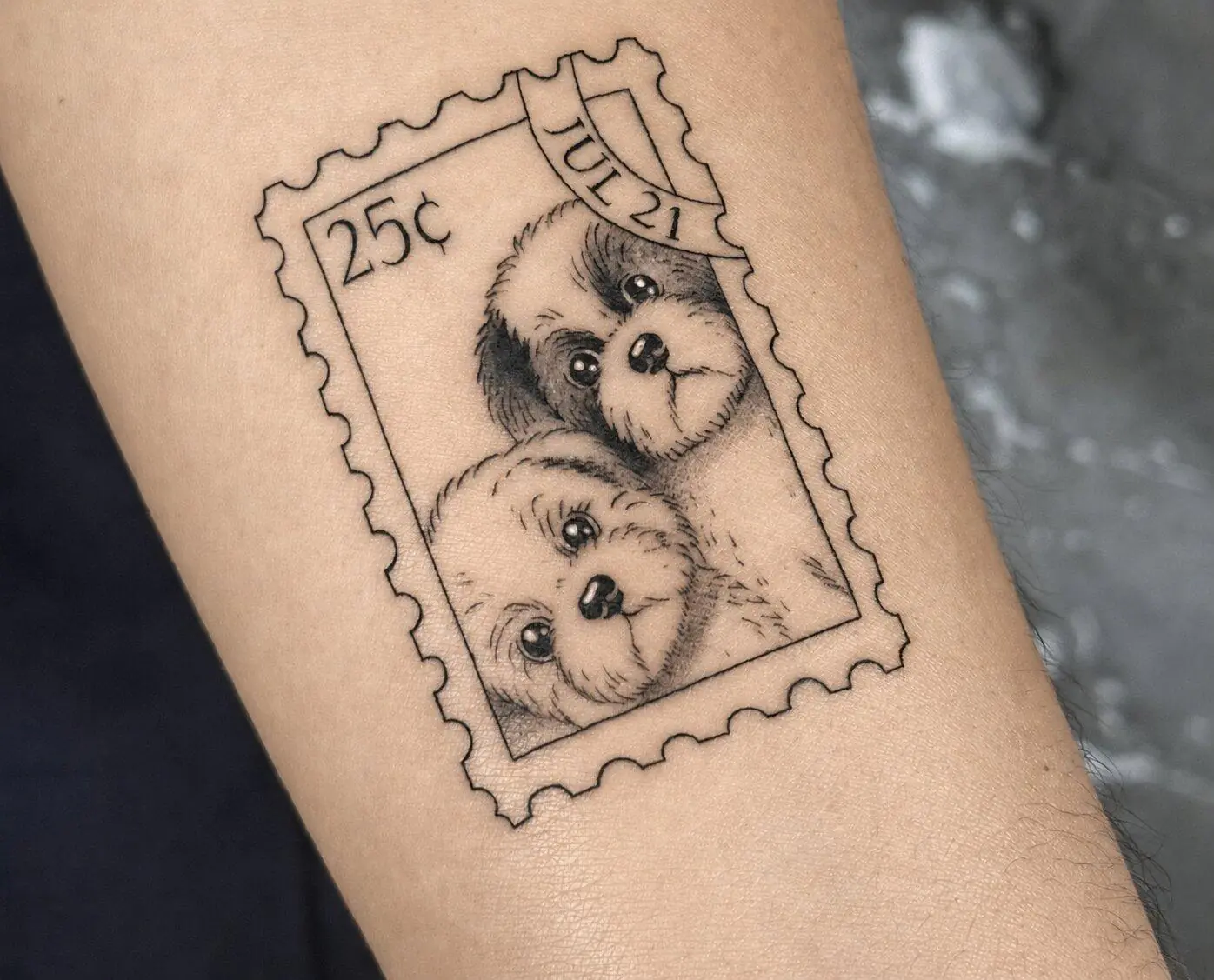

You really do not need some huge pre-tattoo routine.
Sleep properly. Eat. Drink water. Wear clothes that actually make sense for the placement.
That is most of it.
The problem is, people tend to overthink how to prepare for a fine line tattoo and then somehow forget the obvious things. They show up on four hours of sleep. No breakfast. Tight jeans for a thigh tattoo. Or they used a strong exfoliant the night before because they wanted the skin to look “fresh.”
Please don’t.
Fine line work needs control. Your artist already has enough to think about with placement, spacing, and tiny details. The best thing you can do is arrive in decent shape and not create extra problems.
What to Do During the 24 Hours Before Your Session
A lot of fine line tattoo preparation is honestly just normal self-care done properly for once.
Sleep the night before. A full night, if you can.
People underestimate how tiring tattoo sessions can feel because the design looks small. Then twenty minutes in, the body starts getting restless and suddenly staying still feels way harder than expected.
Food is another one.
Eat a real meal before you come in. Not coffee. Not an energy drink and one banana. Actual food.
You should also:
- drink water during the day;
- avoid alcohol for at least 24 hours;
- bring valid government-issued photo ID;
- arrive with enough time that you are not rushing through placement.
That last one sounds boring. It helps more than people think.
A rushed client usually rushes everything else too. The stencil gets approved too quickly. They are checking the time every five minutes. Their next reservation is already in the back of their mind.
Not ideal.
If you are using numbing cream, mention it beforehand. Do not apply something at home and then casually tell the artist after you sit down. Numbing products can affect how the skin feels and reacts during the session.
A quick conversation before is easier.
How to Dress and Prepare Your Skin
Clothing can make a very normal tattoo appointment weirdly complicated.
Upper arm tattoo? Loose T-shirt or tank.
Thigh? Shorts or pants that move easily.
Ribs? Wear something you can actually move out of the way without spending ten minutes figuring out how.
Seems obvious. Somehow, not always.
One of the easiest fine line tattoo tips I can give is this: think about the clothes both during and after the appointment.
You still have to leave wearing them.
A waistband rubbing directly across a fresh hip tattoo is annoying immediately. Tight socks over an ankle piece, same issue. A stiff bra strap over a shoulder tattoo? You will notice that fast.
Keep the Skin Boring
This is not the moment to suddenly become very ambitious with skincare.
No aggressive exfoliation. No experimenting with strong products. No tanning the area because you wanted to “even things out” before the appointment.
Just normal skin.
If the area is sunburned, scratched, irritated, or dealing with an eczema flare, say something before the session. Your artist needs to see healthy enough skin to work on.
And no, you do not need to shave the area perfectly at home.
The final prep can be handled at the studio.
Clients sometimes think they are helping by doing too much. Most of the time, less is better here.
Mistakes That Can Make the Artist’s Job Harder
There are a few things that make precise tattoo work unnecessarily harder. None of them are dramatic. That’s kind of the point.
They are small, avoidable things.
Showing Up Hungry
Very common. You felt nervous. You were busy. You thought the tattoo would only take a little while. Then halfway through, you feel shaky.
Eat before you come in. Seriously. This one is easy.
Coming In With Irritated Skin
Sunburn is an obvious problem. So are scratches, fresh irritation, or skin that is angry because you attacked it with acids and exfoliants the night before.
If something changed around the placement since booking, tell the studio.
Do not just hope it looks fine enough.
Wearing Clothes That Fight the Placement
This one annoys everyone.
You need access to the skin. Your artist needs room to work. You need to stay comfortable enough that you can actually sit still.
If a sleeve keeps falling back down, or the waistband needs to be held out of the way the whole time, the setup gets irritating fast.
Think about this before tattoo appointment day, not when you are already in the chair.
Using Numbing Cream Without Saying Anything
Just don’t do this because the artist should always know beforehand. Some people treat numbing cream like lip balm. Apply it, show up, done. Again, don’t do this, and mention it first.
Rushing the Stencil
This is the mistake I would care about most.
Fine line tattoos are often small, which means tiny changes in position are very visible. Half an inch can change how the piece sits on the arm, wrist, ankle, ribs, whatever area you picked.
So when the stencil goes on, look properly. Stand up. Look at it from a normal distance. Move the body part, then look again. If it feels slightly off, say it. That is not being difficult. This is literally the time for that conversation.
Changing the Whole Design at the Last Minute
Small changes are normal.
A completely different concept is not really a small change.
If you booked a delicate flower and arrive wanting a detailed microrealism portrait instead, that changes the work. The artist may need more time. Different prep. Maybe a different appointment entirely.
Tell the studio early if the idea changed a lot.
Assuming Tiny Means Fast
This catches people all the time.
A very small tattoo can still be technically fussy. Tiny script needs clean spacing. Fine florals can have lots of little lines. Micro-details are… well, micro. They still take control.
So do not plan your day around some imaginary twenty-minute session just because the tattoo is small.
Leave room.
That is basically the whole preparation process. Nothing glamorous. Sleep. Eat. Hydrate. Skip alcohol. Wear useful clothes. Keep the skin calm. Bring ID. Do not rush stencil placement.
If you already know the design and placement, send both with your booking request. Same-day walk-ins can work too when availability allows.