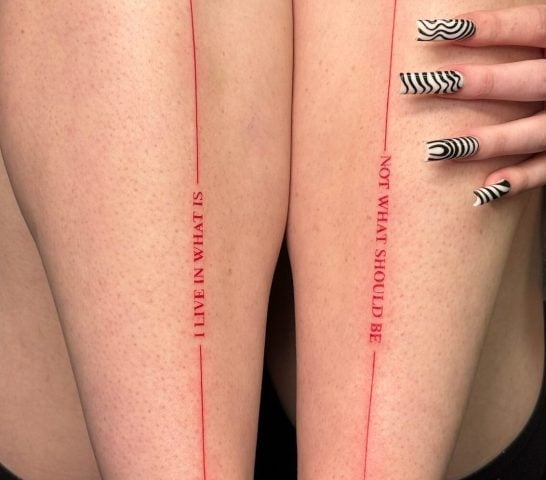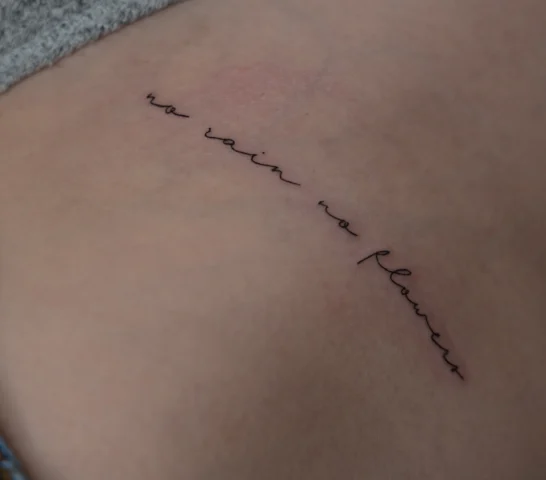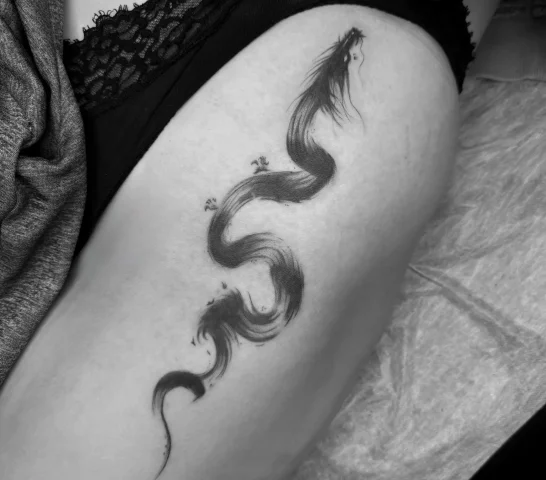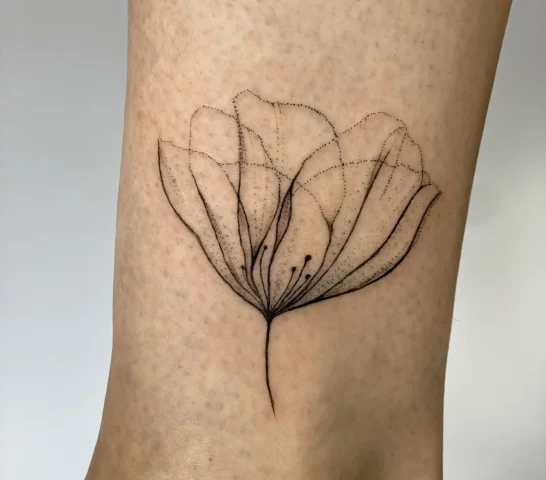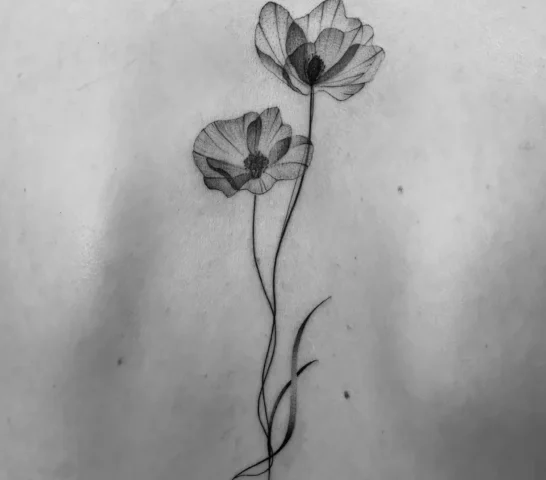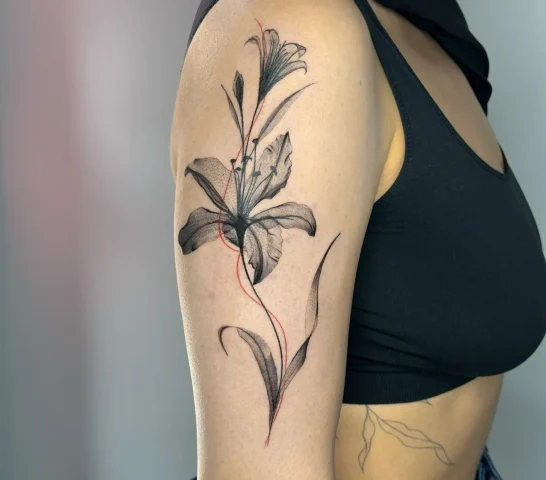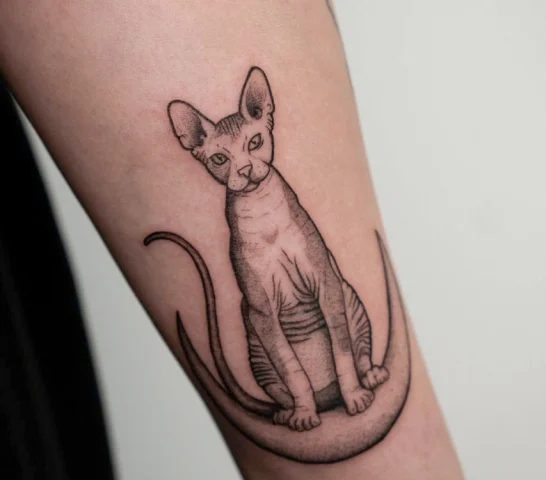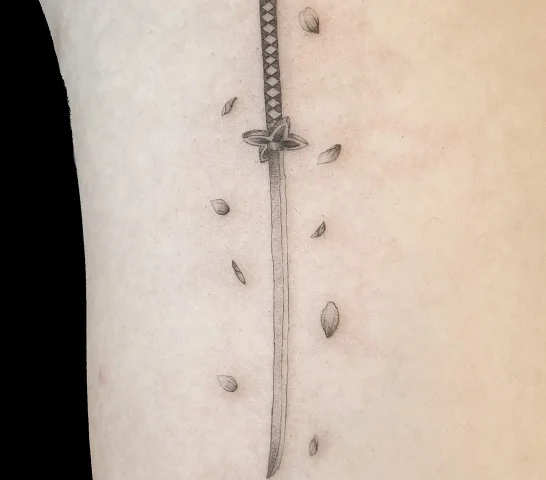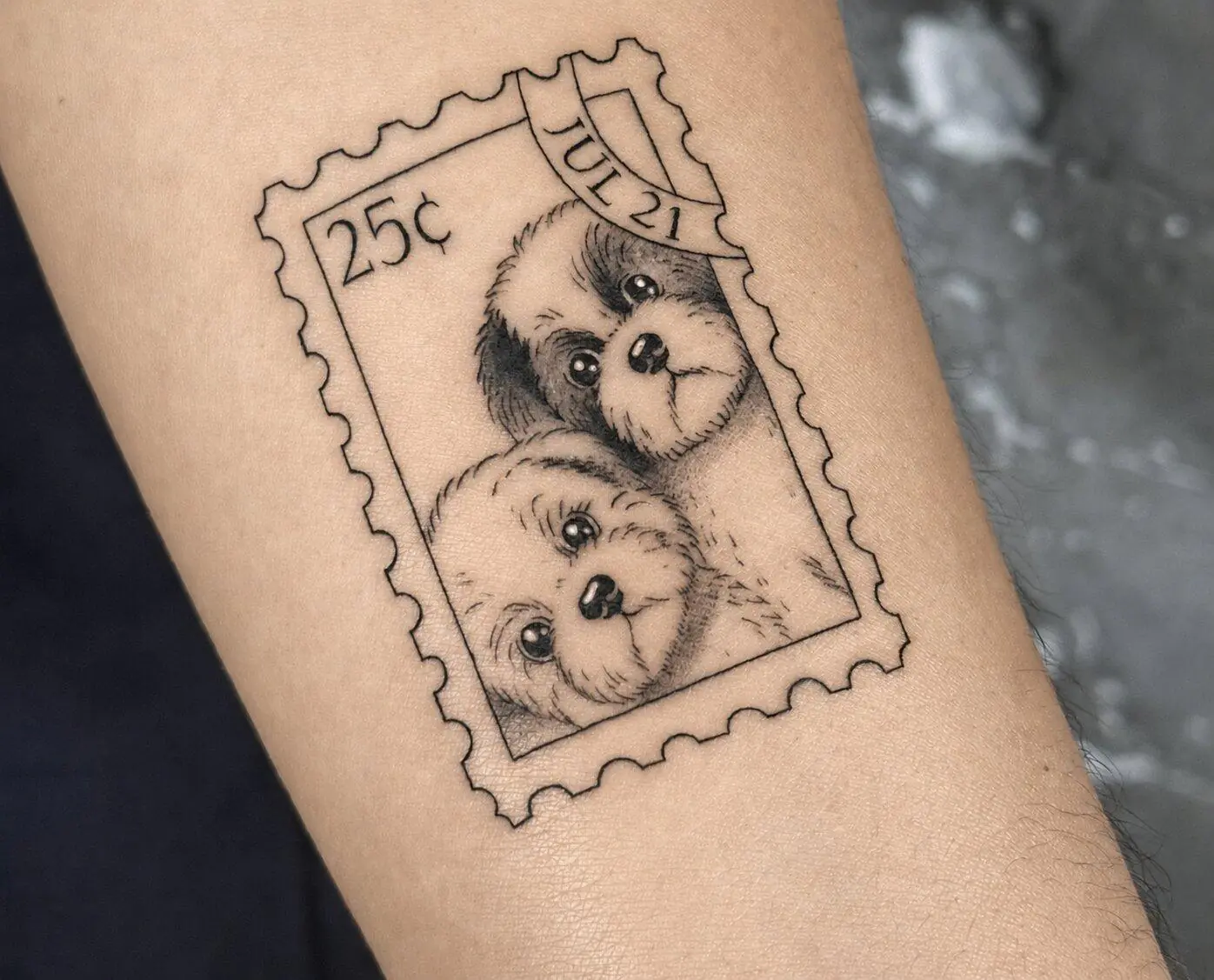
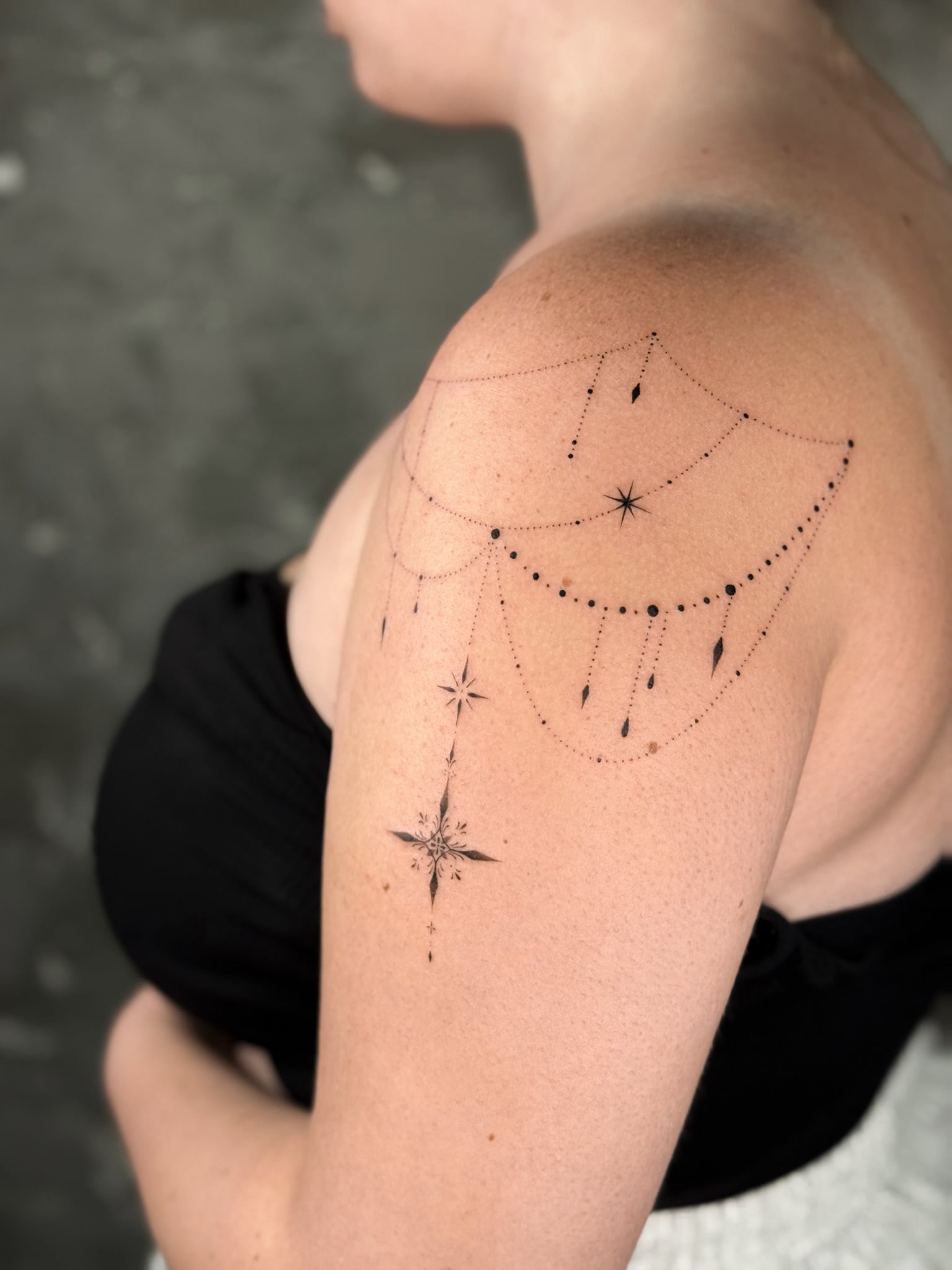
Fine line tattoos are not a bad idea, but they are not for everyone. They reward people who do their homework, pick the right artist, and commit to long-term care. If you have been going back and forth on this style, this guide breaks down the real risks and benefits so you can decide with confidence.
Why Fine Line Tattoos Have Taken Over
Fine line tattoos have dominated mood boards and studio consultations for the past several years, and the appeal is obvious. Thin, single-needle work creates designs that look hand-drawn, almost like ink illustrations pressed into skin. Botanicals, portraits, lettering, geometric shapes, and ornamental patterns all translate beautifully in this style.
But popularity always brings skepticism. The most common concern people research before booking is durability. Do fine line tattoos fade quickly, or can they hold up over time? They can last for years with minimal change, but they behave differently than bolder styles. Understanding those differences is what separates a tattoo you love at year seven from one you regret at year two.
The Pros and Benefits of Getting a Fine Line Tattoo
They Tend to Hurt Less
Fine line work uses a single needle or a very small grouping, so sessions are generally less painful than styles that require heavy shading or thick outlines. The needle passes are lighter, and the trauma to the skin is more limited. For people with lower pain tolerance, or anyone getting tattooed on a sensitive area, this can be a real advantage.
Healing Is Usually Faster
Less skin trauma also means a shorter healing window. Most small-to-medium fine line tattoos heal on the surface within two weeks, compared to three or four weeks for heavily saturated work. Full skin recovery still takes a couple of months, but the uncomfortable early phase tends to wrap up sooner.
The Detail Is Hard to Match
Fine line work captures intricate detail in a way thicker needles cannot. Delicate florals, tiny script, architectural patterns, and micro-realism portraits all rely on thin lines to build depth and texture. The result is a tattoo that often looks more like a drawing than traditional body art.
They Sit Well Almost Anywhere on the Body
Fine line tattoos work on visible areas like the wrist, forearm, and collarbone without looking heavy. They pair well with professional wardrobes, and many people choose this style because it can be both visible and understated at the same time.
The Cons of Fine Line Tattoos You Should Know About
Fading Is a Real Possibility
All tattoos fade to some degree. Fine line work fades more noticeably because less ink sits in the skin from the start. Lines that begin crisp and dark will soften over the years into a lighter gray. This is not a defect. It is part of how the style ages. But if you expect your tattoo to look identical a decade from now, fine line may not meet that expectation.
Blowouts Can Happen
A blowout occurs when ink spreads beneath the skin beyond the intended line, creating a soft, blurred shadow around the design. With fine line work, even a small blowout is noticeable because there is no thick outline to hide behind. This risk ties directly to the artist’s skill and their understanding of needle depth, which is why choosing the right tattoo artist matters more with this style than almost any other.
Touch-Ups May Be Needed Sooner Than With Bold Work
Comparing fine line tattoo vs traditional longevity, bold work tends to hold its sharpness longer before needing a refresh. Fine line pieces on high-friction areas like hands, fingers, and feet may benefit from a touch-up every four to six years. That is not a flaw, but it is something to budget for.
Your Artist’s Skill Matters More Than You Think
Not every tattoo artist has the hand control or experience needed for clean single-needle work. A bold traditional tattoo can forgive minor inconsistencies in a way that fine line work cannot. If lines are uneven or placed at the wrong depth, the problems become more visible over time, not less.
Do Fine Line Tattoos Fade Quickly or Do They Last?
Fine line tattoos are permanent. They do not disappear. What changes over time is their crispness and contrast.
On well-cared-for skin, most fine line tattoos maintain defined lines for five to ten years before any noticeable softening. A few key factors shape that timeline.
Where You Place It on the Body
Areas with thicker skin and less daily friction hold ink far longer. The upper arm, back, thigh, and outer forearm are your best bets. High-wear zones like the fingers, inner wrist, and ribcage will show changes sooner.
How Much Sun It Gets
UV light is the single biggest threat to any tattoo’s longevity. It breaks down ink molecules under the skin, and the damage adds up. A fine line piece that gets regular, unprotected sun will fade noticeably faster than one shielded with SPF 50.
Your Skin Type and Age
Oilier skin or faster cell turnover can cause fine line tattoos to soften earlier. Collagen loss after your mid-thirties also plays a role. None of this means fine line tattoos are a bad idea if you are older. It is worth bringing up during your consultation so your artist can plan accordingly.
The Ink and the Technique Behind It
The grade of ink matters. So does the machine setup and how the artist calibrates their depth. High-quality pigments and well-maintained equipment give clients a measurable advantage in how long the work holds.
What to Know Before Getting a Fine Line Tattoo
Ask to See Healed Work, Not Fresh Photos
Fresh tattoos always look sharp. The real test is how they look six months, two years, or five years later. Before booking, ask your artist to show you healed examples of their fine line work. If they cannot, that tells you something.
Use the Consultation to Ask Hard Questions
A good consultation is not a sales pitch. It is where your artist evaluates your skin, discusses placement, talks through sizing, and gives you an honest assessment of what will and will not hold up. These conversations save a lot of regret later.
Aftercare Starts on Day One
The healing phase sets the foundation for how your tattoo will look long-term. Follow your studio’s aftercare guidance closely during the first month. After that, the routine is simple. Moisturize daily and apply sunscreen any time the tattoo sees light.
Know How Fine Line Tattoos Age Over Time
If you already have a fine line piece and want to understand how it will change as the years go on, the shifts are gradual. Many people find the softened version adds character rather than taking anything away.
Fine Line Tattoo Pros and Cons in 2026
Fine line tattooing has evolved well beyond simple minimalist outlines. Artists are now combining it with micro-realism, ornamental elements, and subtle color accents to create pieces that feel layered and personal. The techniques behind the style continue to improve, and so does the durability of the results.
For anyone weighing the fine line tattoo pros and cons around durability, the bottom line is this. The style holds up well when the artist is experienced, the placement is thoughtful, and the aftercare is consistent. It is not maintenance-free, but the trade-off for that level of detail and subtlety is one most people are happy to make.